
- First Name
- Rick
- Joined
- Aug 27, 2026
- Threads
- 2
- Messages
- 70
- Reaction score
- 52
- Location
- Monument, Colorado
- Vehicle(s)
- 2014 Toyota Tundra SR5 TRD 4x4
- Thread starter
- #1
We are on our 3rd Hybrid and my 2026 Taco iForce Max Hybrid will be my 4th.
Since I plan on towing our 24-foot camper with the truck, have been researching how it keeps those HOT turbo systems cool....since I know Hybrids like to shut off the ICE motor and use the battery.
It sounds like Toyota already thought of this so I've found this info about the automated thermal management system:
(I always cut the suggested Toyota maintenance in half so, also, will be cutting coolant replacement intervals in half.)
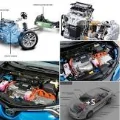
The 2026 Toyota Tacoma Limited Hybrid utilizes an automated i-FORCE MAX Thermal Management System specifically designed to regulate temperatures across three distinct domains: the turbocharged hybrid powertrain, the high-voltage battery pack, and the cabin climate control system. Because hybrid trucks face heavy structural demands like towing and off-roading, maintaining an optimal heat balance is critical for protecting the components and maximizing efficiency. [1, 2, 3, 4, 5, 6]
How the Thermal Management System Works
Proper Owner Maintenance
To keep the automated thermal management running smoothly, owners must pay attention to hybrid-specific components:
Since I plan on towing our 24-foot camper with the truck, have been researching how it keeps those HOT turbo systems cool....since I know Hybrids like to shut off the ICE motor and use the battery.
It sounds like Toyota already thought of this so I've found this info about the automated thermal management system:
(I always cut the suggested Toyota maintenance in half so, also, will be cutting coolant replacement intervals in half.)
The 2026 Toyota Tacoma Limited Hybrid utilizes an automated i-FORCE MAX Thermal Management System specifically designed to regulate temperatures across three distinct domains: the turbocharged hybrid powertrain, the high-voltage battery pack, and the cabin climate control system. Because hybrid trucks face heavy structural demands like towing and off-roading, maintaining an optimal heat balance is critical for protecting the components and maximizing efficiency. [1, 2, 3, 4, 5, 6]
How the Thermal Management System Works
- Multi-Circuit Coolant Isolation: The system splits the truck's thermal footprint into isolated cooling paths. The 2.4L turbocharged internal combustion engine operates on a high-temperature loop, while the hybrid power electronics (inverter/converter) and electric motor utilize a separate, lower-temperature loop to avoid heat soak. [1, 2, 3, 4]
- Battery Conditioning: The 1.87-kWh NiMH hybrid battery pack is monitored continuously by dedicated sensors. If internal temperatures approach safety thresholds (especially during heavy regenerative braking or extreme external weather), an automated cooling system activates to circulate air or coolant and mitigate cell degradation. [1, 2, 3, 4, 5]
- Variable Electrified Control: Rather than relying on traditional mechanical, belt-driven components, the Tacoma Hybrid uses electric water pumps and electronic rotary actuators. These allow the truck's central computer to adjust coolant flow dynamically based on real-time loads rather than engine RPMs. [1, 2]
- HVAC Integration: The truck features a dual-zone automatic climate control system. In colder climates, if the engine hasn't fully warmed up, automated internal PTC (Positive Temperature Coefficient) heaters provide cabin warmth without forcing the gasoline engine to idle excessively just for heat. [1, 2]
Proper Owner Maintenance
To keep the automated thermal management running smoothly, owners must pay attention to hybrid-specific components:
- Inspect the Hybrid Coolant: The power control unit and battery cooling systems require dedicated coolant inspections every 10,000 miles and a full flush/service at 100,000 miles or 10 years. [1]
- Keep Air Intake Vents Clear: Ensure the interior hybrid battery cooling vents (typically near the rear passenger seats) are free from dust, clothing, or cargo obstructions to prevent triggering a "Traction Battery Protected" safety markdown
Sponsored