- First Name
- Marie
- Joined
- May 6, 2026
- Threads
- 4
- Messages
- 21
- Reaction score
- 21
- Location
- Seattle, WA
- Vehicle(s)
- Toyota
- Thread starter
- #1
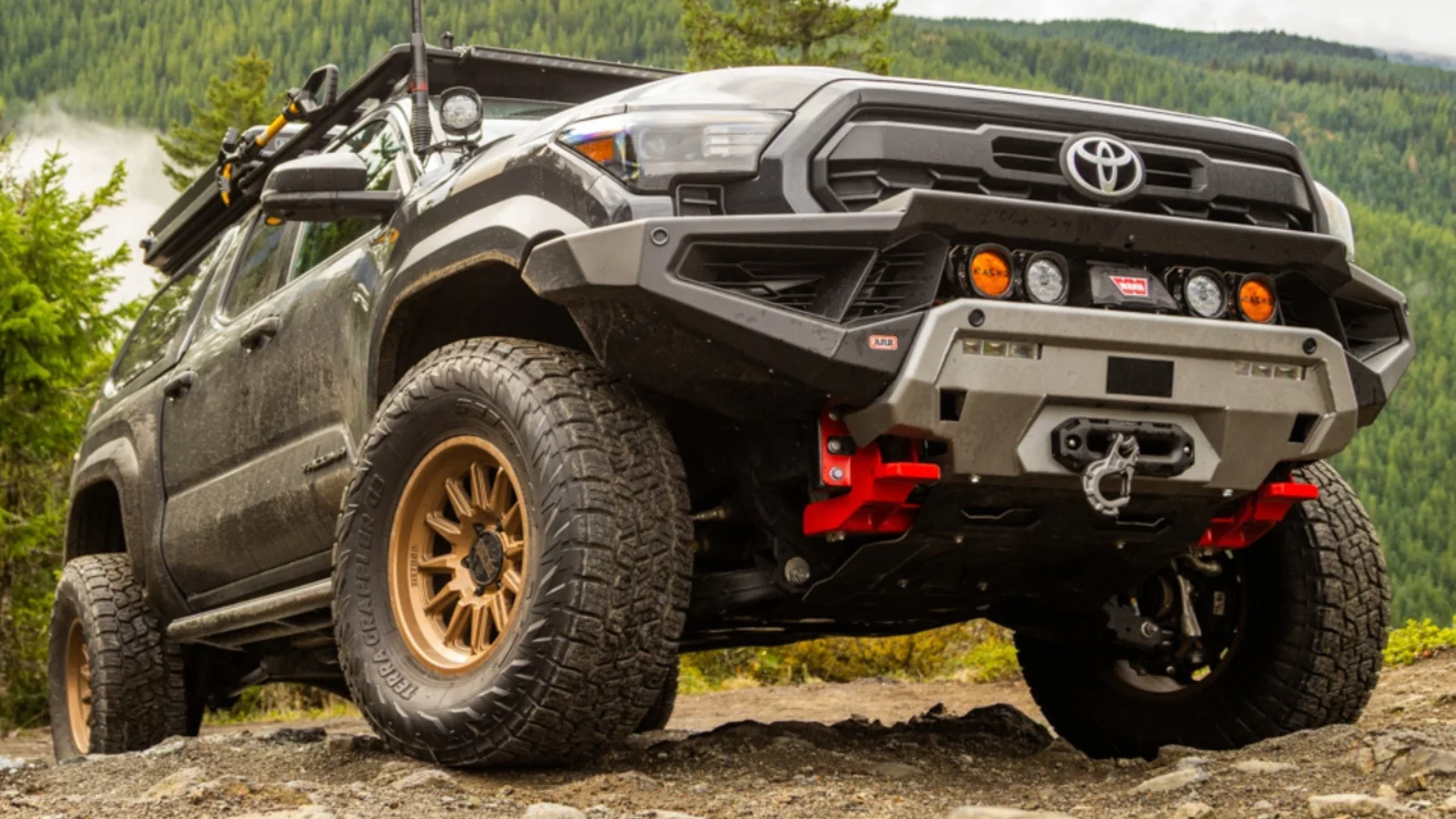
Last post, we covered how to pick a suspension kit for your 4th Gen. Today, we’re switching gears slightly and going over how to select your springs.
Your coils do two big jobs: they hold up your truck, and they set your lift height. But the spring rate you pick also decides how your Tacoma rides, how it handles with gear loaded, and how level it sits. Get it right, and you gain stability, control, and a level stance. Get it wrong, and you're chasing sag or fighting a harsh ride. Here's how to dial it in.
Match Your Springs to the Load: Constant vs. Variable
Your first step is to determine the weight of all of your gear. There are two kinds of load to think about, even before you figure out which spring rate to choose: constant and variable.
Constant load is the permanent stuff bolted to your truck. Think steel bumpers, a winch, drawers, a rooftop tent, and underbody armor. Variable load is everything that comes and goes: passengers, water, recovery gear, camping supplies.
Springs that are too soft for your load will sag and wear out early. Too stiff for your setup, and the ride turns harsh when the truck is empty. The fix is to match your springs to what you actually carry every day, not what you load up for each of your trips.
Quick note, you can always re-spring as your build evolves, but that costs more down the road, so it pays to know your goals up front, literally.
Spring Rate and Ride Quality
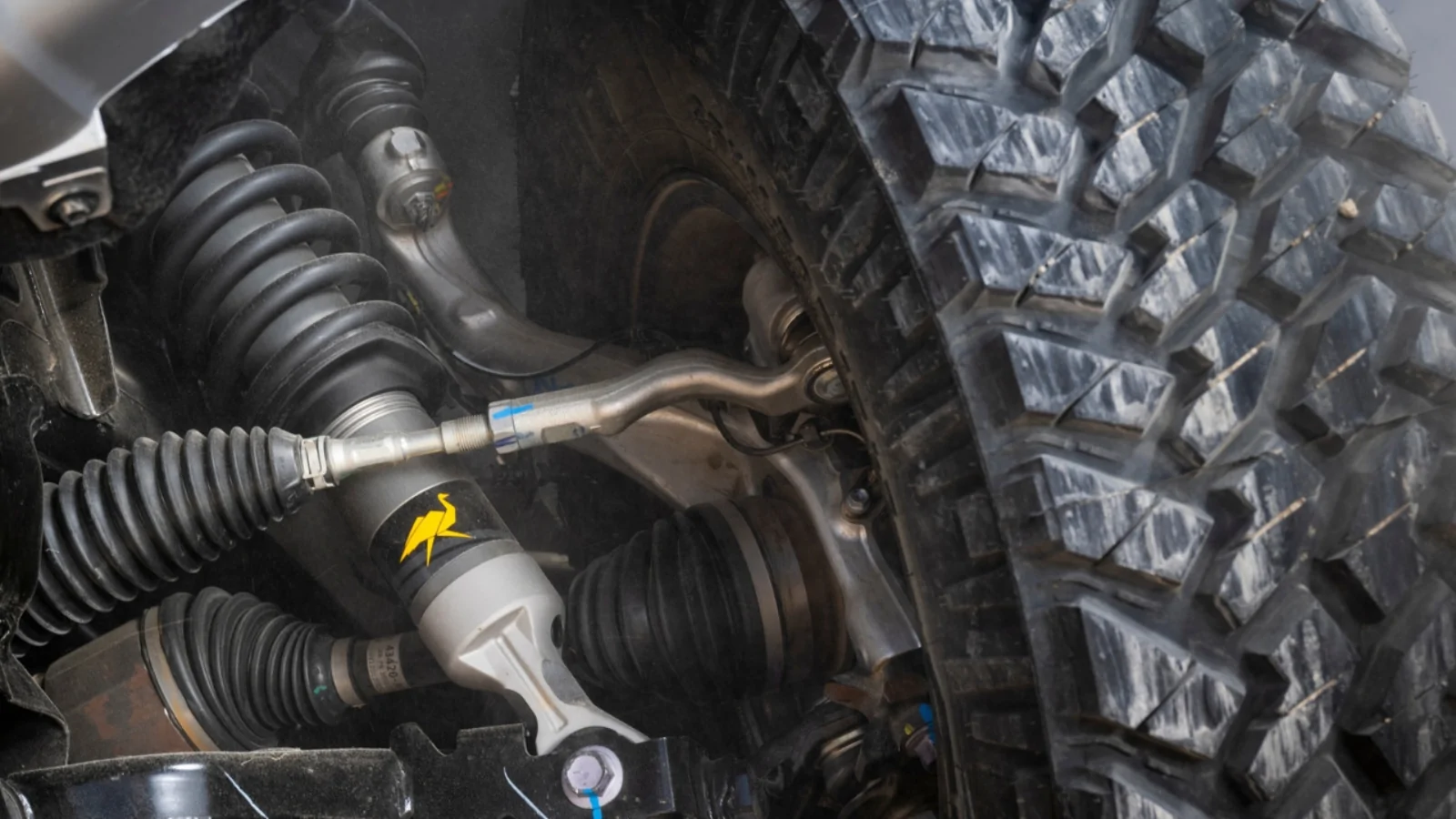
Spring rate is the force needed to compress a spring, and it's where ride quality lives. You'll see three tiers: light, medium, and heavy-duty.
- Light springs compress easily for a soft, comfortable on-road feel, but they'll sag or bottom out under extra weight.
- Medium springs are the sweet spot for rigs carrying moderate gear regularly.
- Heavy-duty springs are stiffer and built for full-time overland loads, though they can feel firm when the truck is unloaded.
| Front Additions | Rear Additions | |
| Light Springs | No aftermarket bumper or constant weight. | No roof rack, RTT, drawers, or heavy gear. |
| Medium Springs | Steel bumper without winch, or lightweight bumper with winch. May include dual batteries or auxiliary lighting. | Moderate, part-time loads like an empty bed rack, light RTT, or light camping gear. |
| Heavy Springs | Full-width steel bumper with winch and/or tire carrier. | Constant weight in the rear from a loaded drawer system, roof rack with RTT, fridge, or recovery gear. |
Quick tip: rock sliders, side steps, and roof racks spread weight across both the front and rear, so factor them into both ends.
What ARB Offers and Why It's Easy
Every OME kit is engineered to take the guesswork out of spring selection. Each one is tuned to your Tacoma's weight and how you use it, with light-, medium-, and heavy-duty options covering everything from daily drivers to fully loaded overlanders. Our coil springs are double-scragged before and after shot peening to relieve stress and extend spring life, so they hold their rate whether the truck is loaded or empty.
Best of all, you don't dig through part numbers. Head over to our website, pick the kit that matches your front and rear loads, then fine-tune the lift with preload collars. That's it. And our products are all backed by our 3-year warranty and trusted by 4x4 owners worldwide.
Spec Your Springs
Find the right OME coils for your 4th gen Tacoma with the fitment guide on our website, and match your kit to your front and rear loads in a couple of clicks.
Not sure which tier fits your build? Drop your accessory list below, and we'll help you pick!
Sponsored


 ( felt like it was standing on its toes when I would hit the brake.