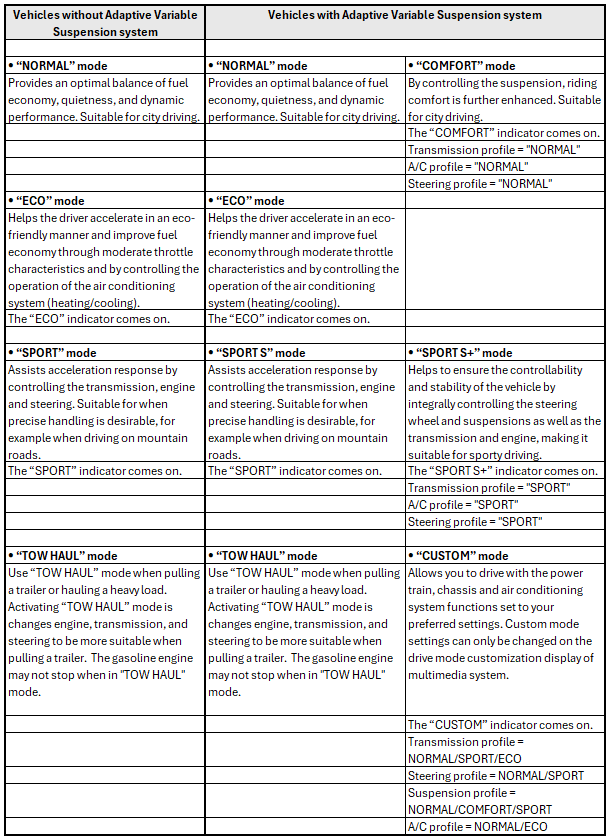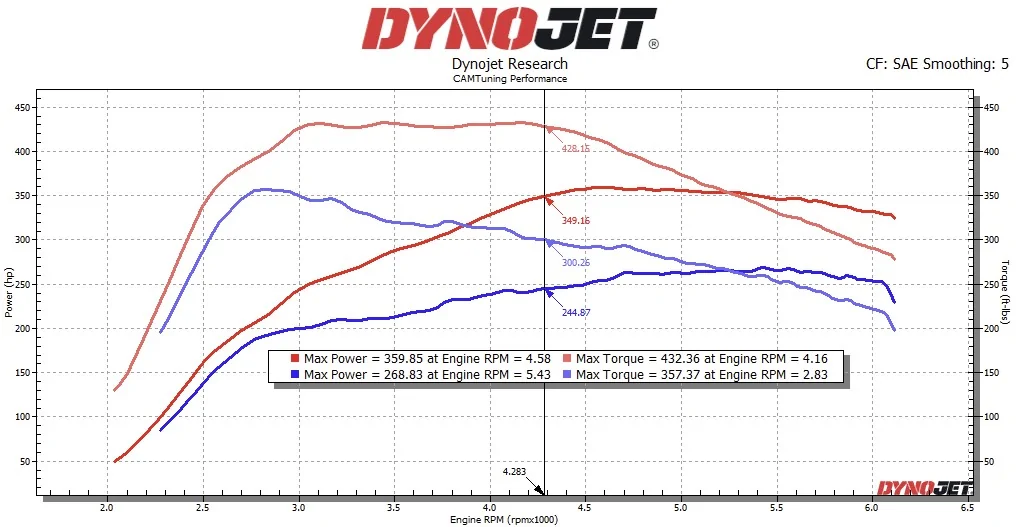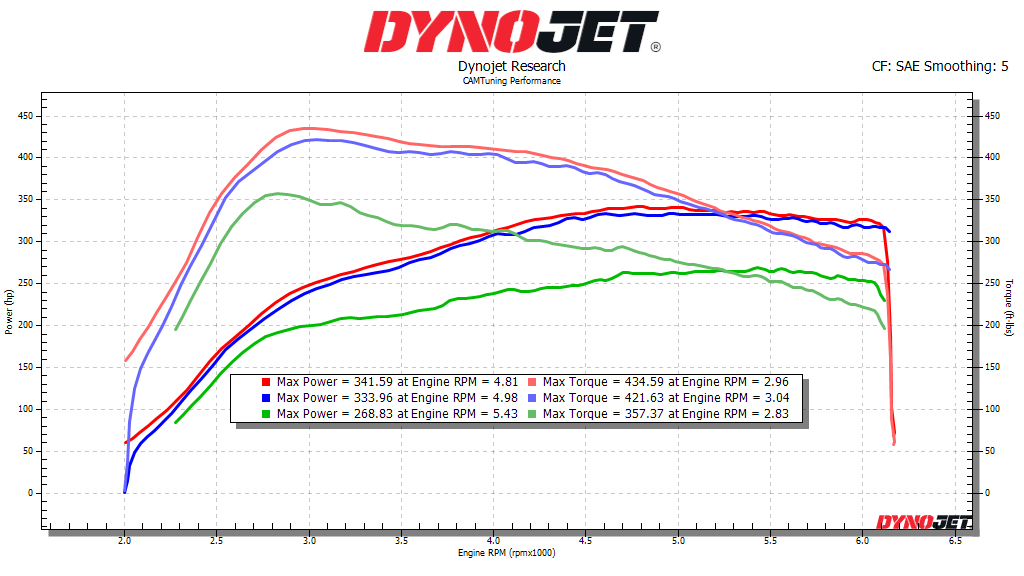
One thing I have seen a few people mention is how the transmission "feels like a cvt" when it shifts under throttle and holds a specific RPM range when I would imagine that is just the transmission trying to stay within the torque curve for optimal acceleration. Or are there other factors at play?Session 5:
Shift Schedules: RPM vs Output Shaft Speed (And Why Your Truck Feels the Way It Does)
If you’ve ever thought “this truck should’ve shifted already” or “why did it short-shift there?” — this post is for you.
Most people assume automatic transmissions shift purely based on engine RPM.
In reality, modern Toyota transmissions care much more about Output Shaft Speed (OSS).
What’s the difference?
OSS accounts for:
- Engine RPM tells you how fast the engine is spinning.
- Output Shaft Speed tells the transmission how fast the vehicle is actually moving through the gears.
That makes it a far more reliable signal for deciding when to shift.
- Gear ratio
- Torque converter behavior
- Tire size
- Load
- Throttle input
Why this matters for drivability
Because shift schedules are often based on OSS:
This is why changing engine power alone doesn’t always change how the truck feels to drive.
- Two pulls to the same RPM can shift at different road speeds
- The truck may hold a gear longer under load, even at the same RPM
- Light throttle can cause earlier, smoother shifts
- Heavy throttle can delay shifts without increasing RPM targets
What tuning can (and can’t) influence
A refined calibration aligns:
When these agree with the OSS-based strategy, the result is:
- Torque delivery
- Throttle behavior
- Shift timing
Discussion encouraged:
- Fewer “busy” shifts
- More predictable downshifts
- Better part-throttle smoothness
- A transmission that feels like it’s anticipating your intent
Have you noticed situations where the truck feels like it “should’ve shifted” but didn’t—or shifted when you didn’t expect it to?
Sponsored