- First Name
- Quez
- Joined
- Sep 25, 2024
- Threads
- 19
- Messages
- 151
- Reaction score
- 250
- Location
- Nashville
- Website
- www.bigdawgstoyotatuning.com
- Vehicle(s)
- 2025 TRD Pro, 2025 TRD Pro 4Runner
- Thread starter
- #1
What’s up guys! Lately I’ve gotten back into heavily modifying my Tacoma after taking a break when I sold my 3GT. Once I started looking at upgrades again, I knew rear upper and lower links were one of those mods that wasn't one of those eye catchers, but they were going to be needed any plans to do serious off-roading.
This is going to be a long one, so let’s jump into it.

First off, what are links, what do they do, and why did Toyota add them to some 4GTs? All solid questions, especially for the average person just starting to look into this stuff online.
What they are: Rear links are metal control arms that connect the rear axle housing to the frame.
What they do: Their job is to keep the rear axle positioned properly as it travels up and down over bumps on the road, or off-roading. The coil springs support the truck’s weight, while the shocks control the movement.
Put in easier terms, they:
So what are the different links, and what does each one do? There are upper links, lower links, and the panhard, some call it the track bar. I’ve got each one pictured in this section.
Upper links:
Lower links:
Panhard/Track bar:
In short:
For years, Toyota stuck with a leaf-spring rear setup on Tacomas. In my opinion, that’s been one of the platform’s biggest weak points. I’d say 9 out of 10 3GTs, and probably some of the base model trims going forward will end up with basically “flat” leaf packs once they’re loaded down with gear, towing, add a rooftop tent, and so on. That’s why so many companies started making aftermarket leaf packs, add-a-leaf kits (AAL), hammer hangers, and similar upgrades.
While looking through upgrade options, I already knew links were something I wanted to do for a truck that’s going to see heavy off-road use.
Now, why did I go with 74Weld over everyone else? Have you seen these things? Be forreal bro. Just kidding… sort of.
Here’s why I picked them:
I attached some photos below showing the joints and side-by-side comparisons with the stock parts. If you made it this far, thanks for reading.
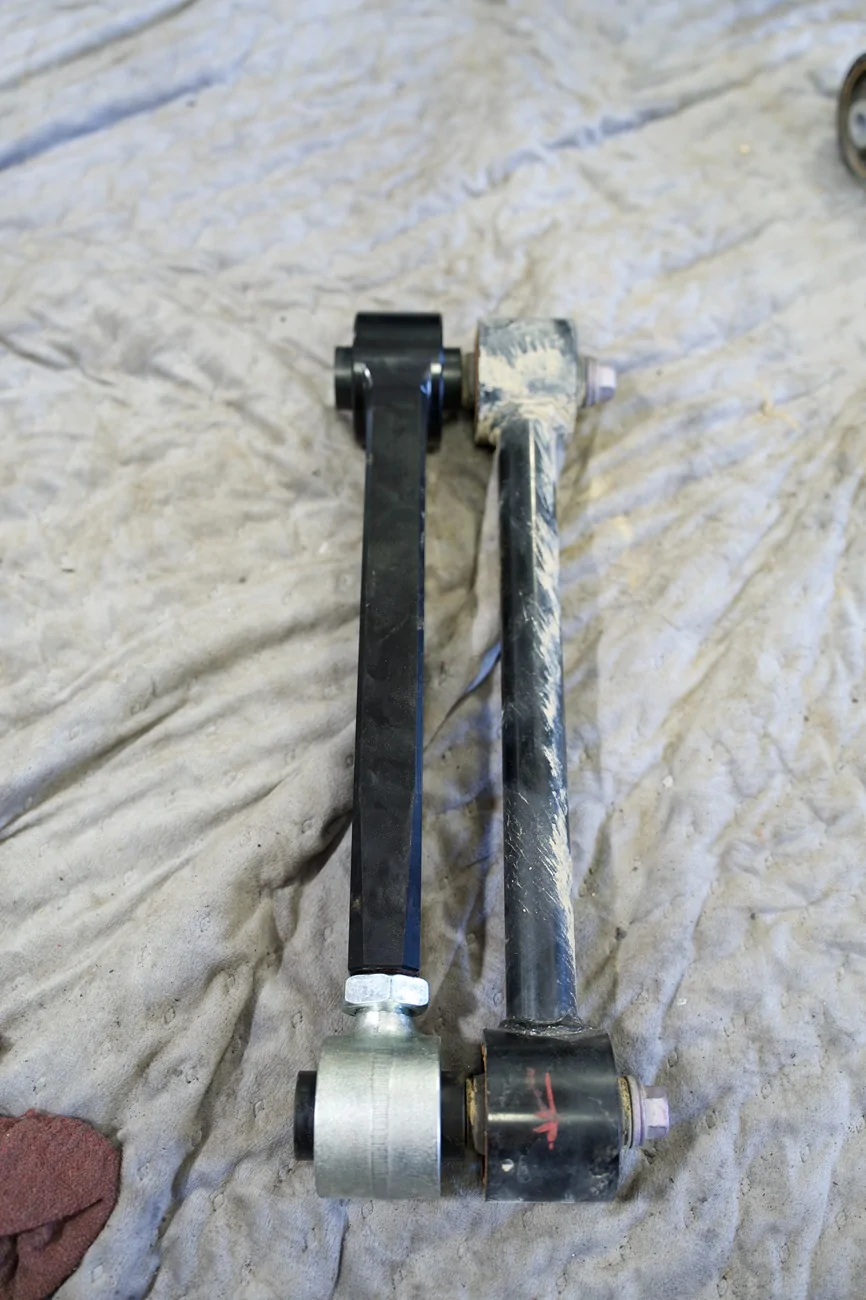
Upper Links vs OEM
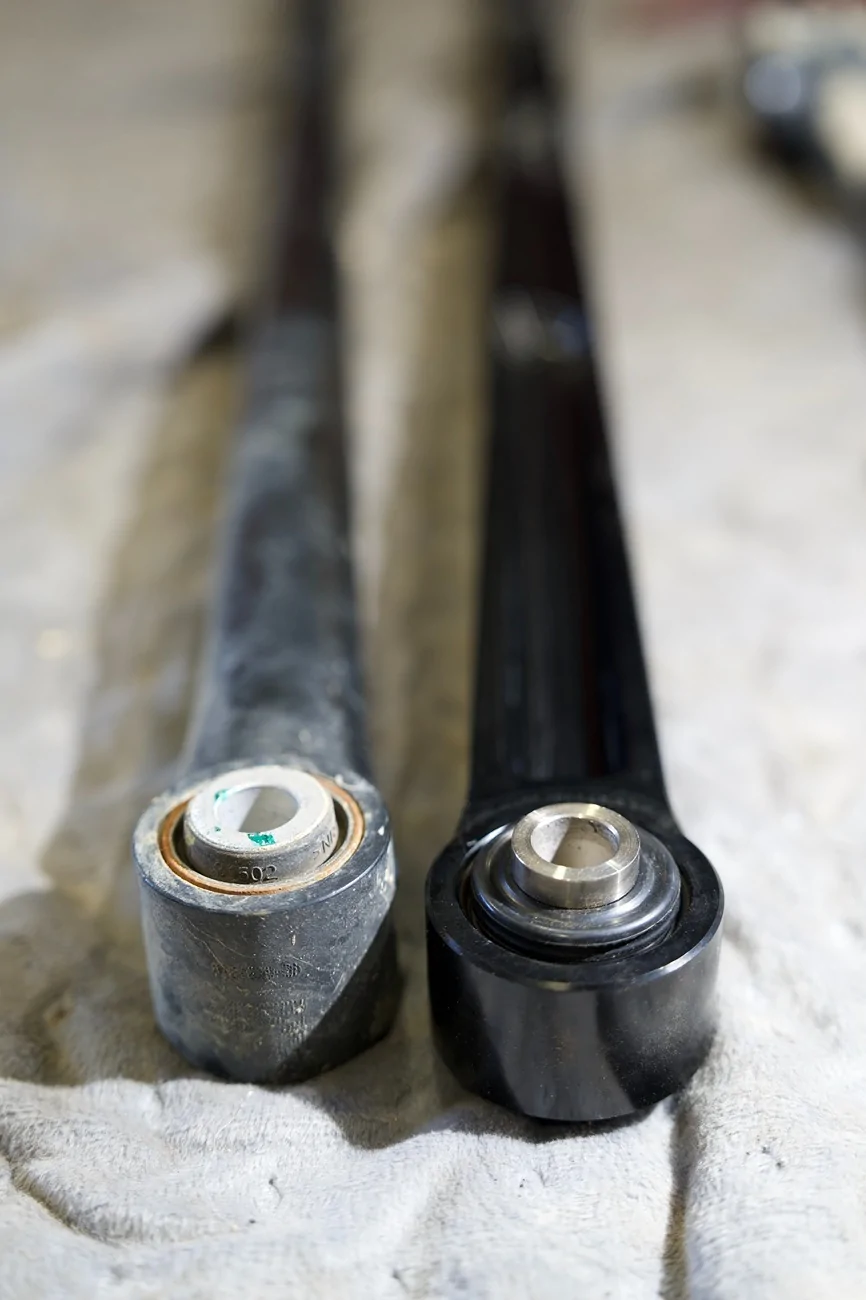
Rock Krawler Adventure Series joint vs OEM
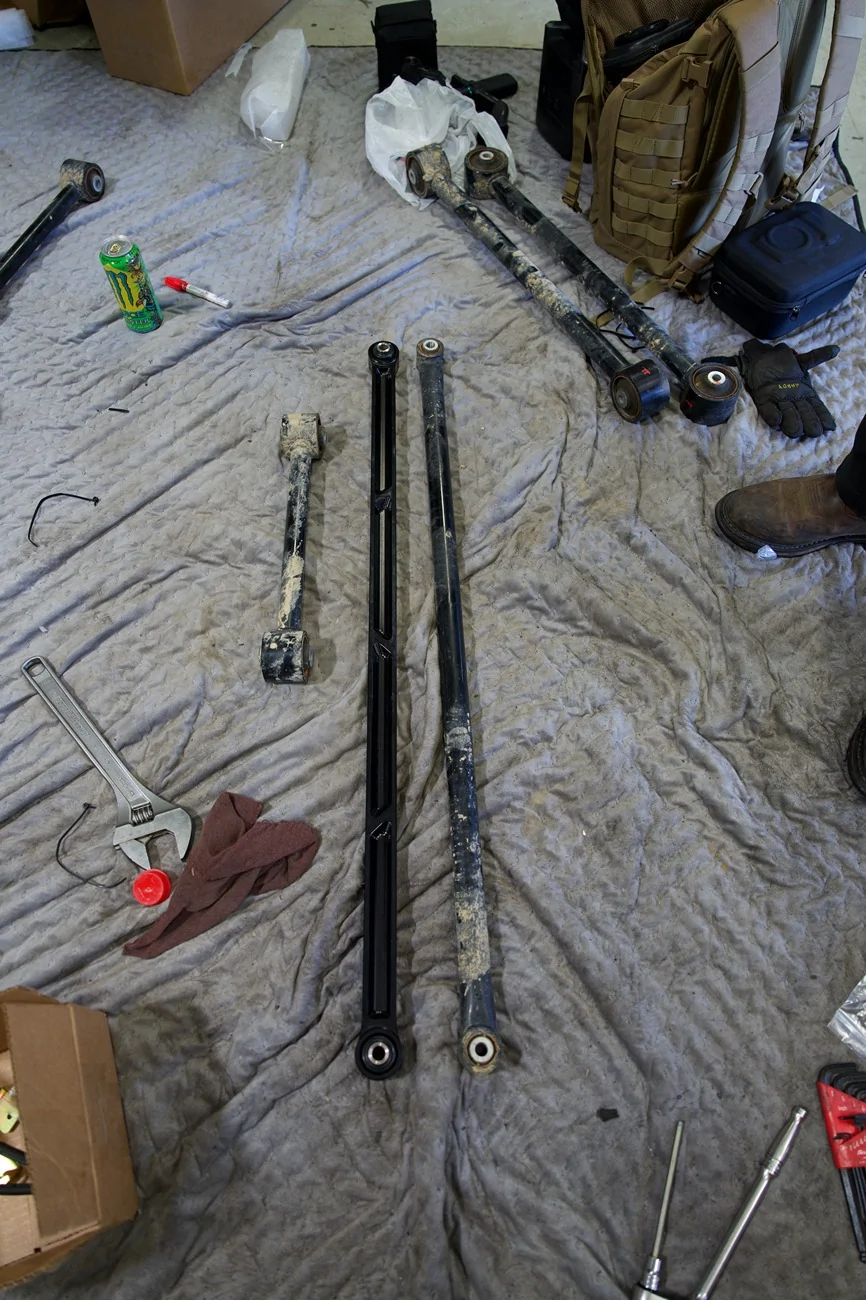
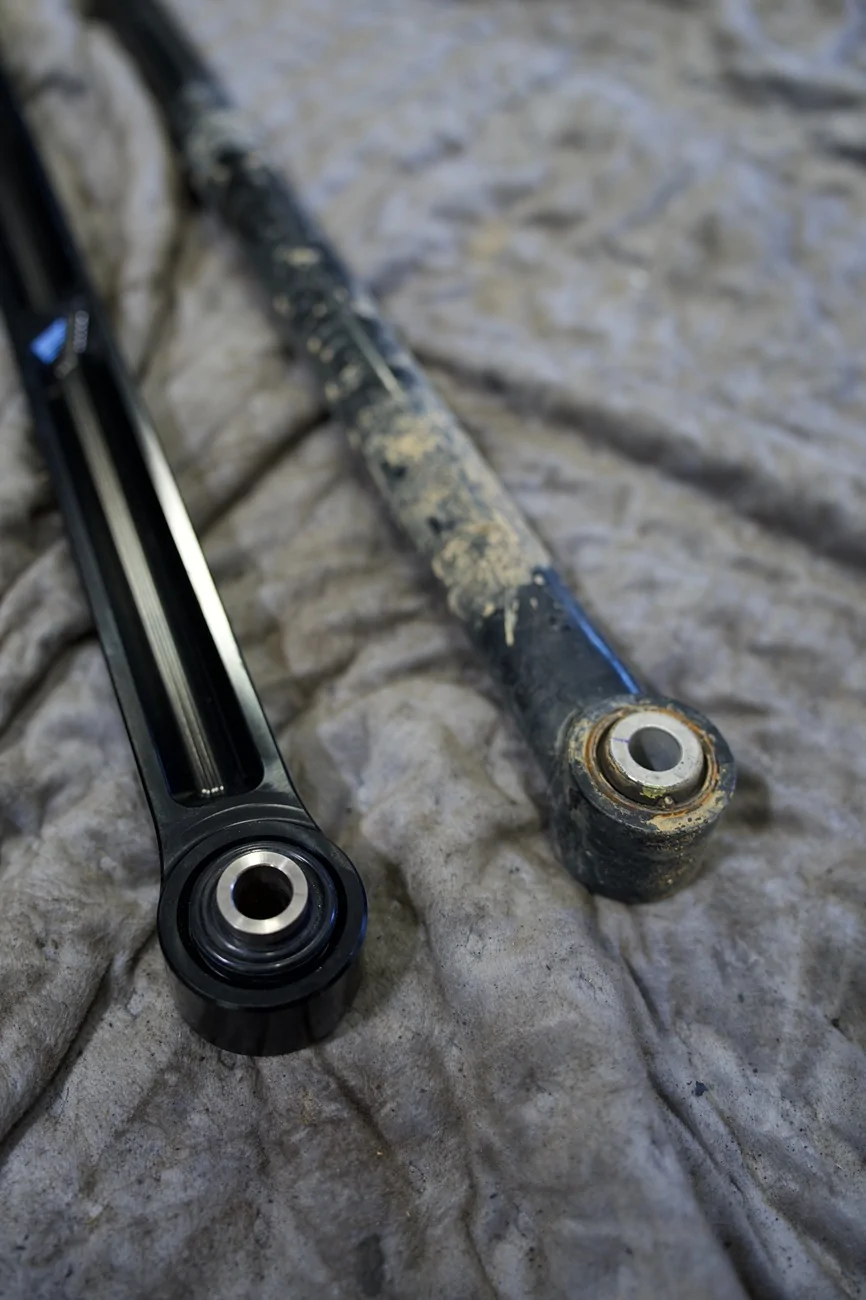
Panhard / Track bar side-by-side with OEM
This is going to be a long one, so let’s jump into it.
First off, what are links, what do they do, and why did Toyota add them to some 4GTs? All solid questions, especially for the average person just starting to look into this stuff online.
What they are: Rear links are metal control arms that connect the rear axle housing to the frame.
What they do: Their job is to keep the rear axle positioned properly as it travels up and down over bumps on the road, or off-roading. The coil springs support the truck’s weight, while the shocks control the movement.
Put in easier terms, they:
- Keep the axle located front-to-back and side-to-side
- Control axle rotation during acceleration and braking
- Allow the suspension to articulate more freely than a leaf-spring setup
- Work together with the coils and shocks, instead of asking the leaf spring to do several jobs at once
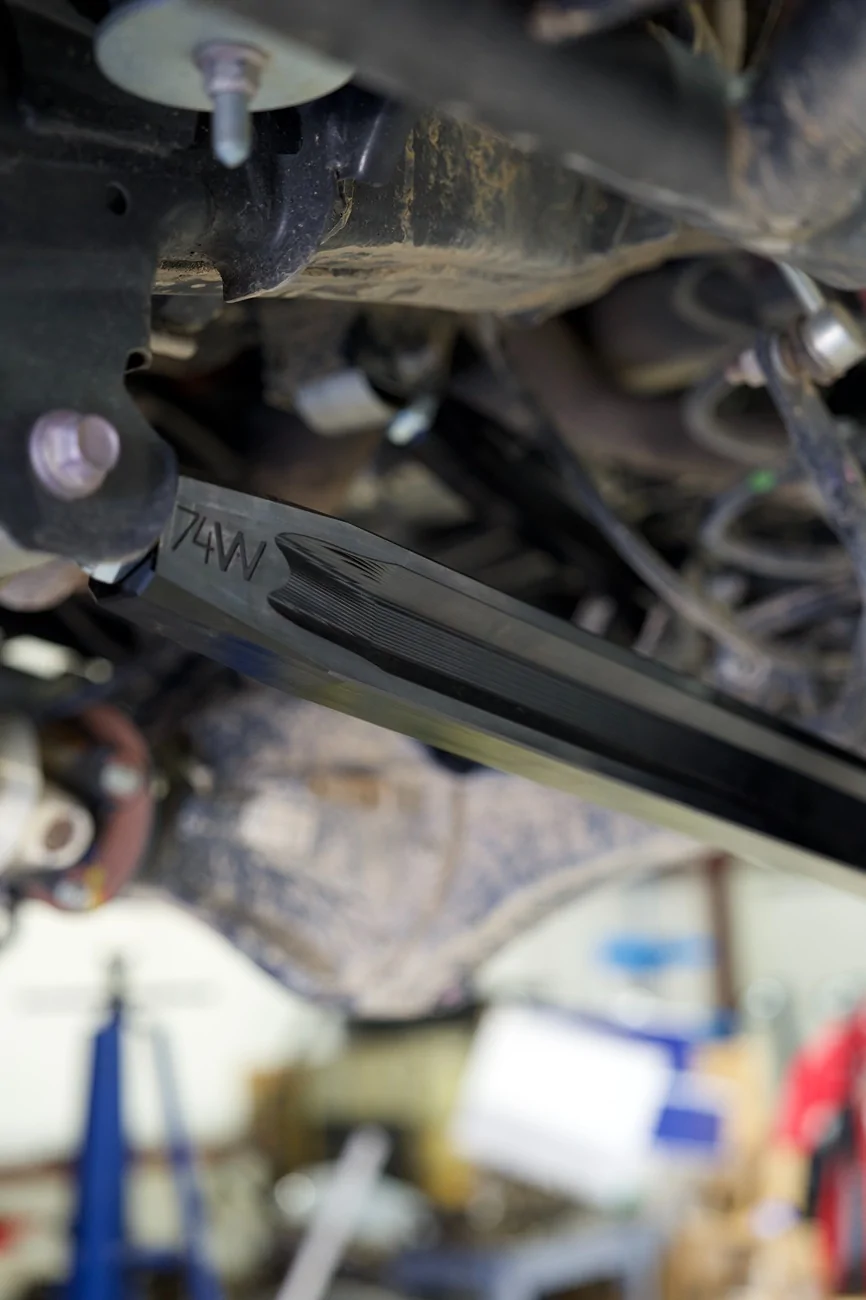
So what are the different links, and what does each one do? There are upper links, lower links, and the panhard, some call it the track bar. I’ve got each one pictured in this section.
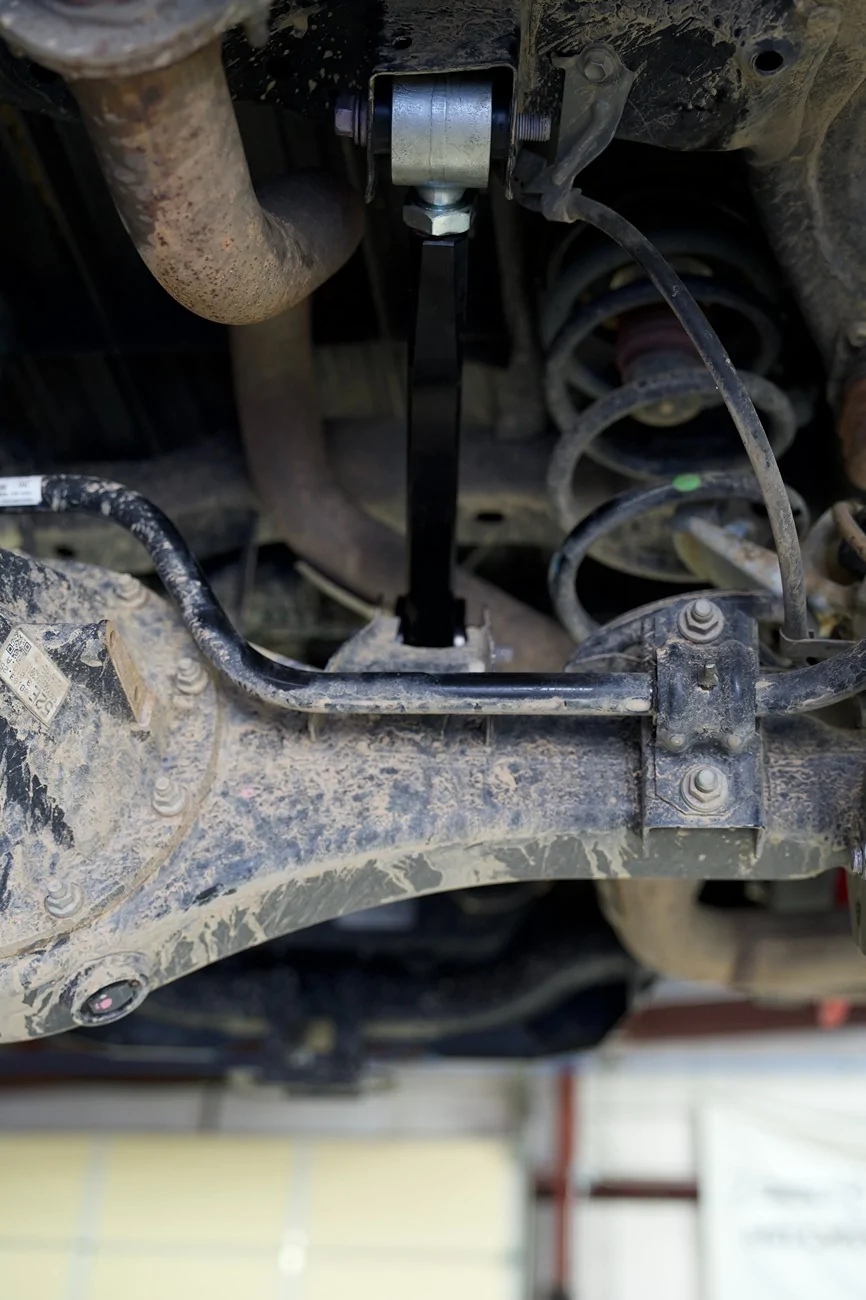
Upper links:
- These are the shorter arms mounted higher above the axle. Their main role is controlling axle rotation. They do a lot of work during acceleration and braking by helping keep the pinion angle in check and preventing the axle housing from twisting too much.
- For anyone less mechanically inclined: they help keep the axle from “rolling” backward or forward when torque is applied. Since the 2024 Tacoma’s coil-spring setup separates spring support from axle location, the upper links now handle part of the locating job that leaf springs used to do.
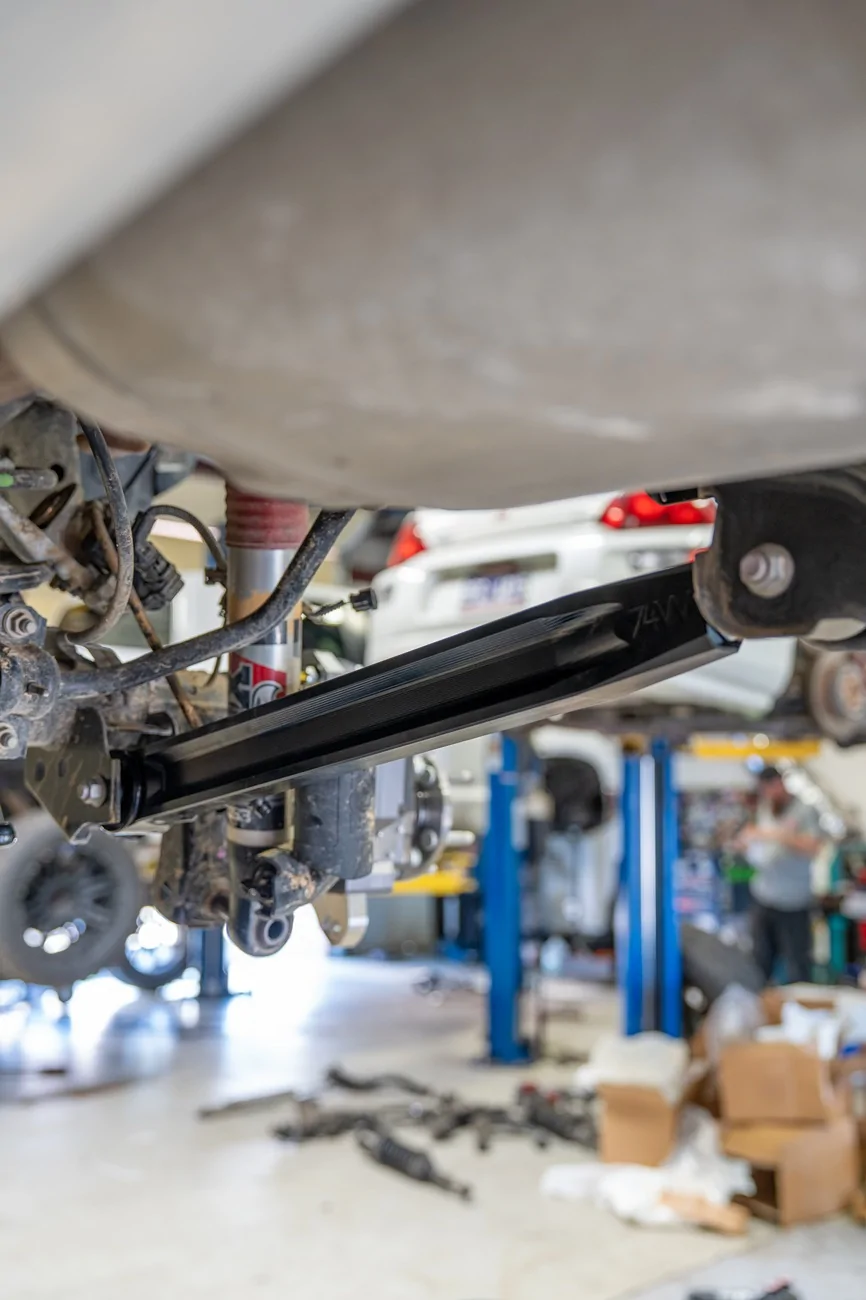
Lower links:
- These are the longer arms mounted lower below the axle. Their main job is to keep the axle positioned front-to-back and transfer much of the driving and braking force between the axle and the frame. They also help guide the axle through suspension travel. Because they’re longer and mounted lower, they do a large part of the work in keeping the rear axle tracking correctly as the truck moves.
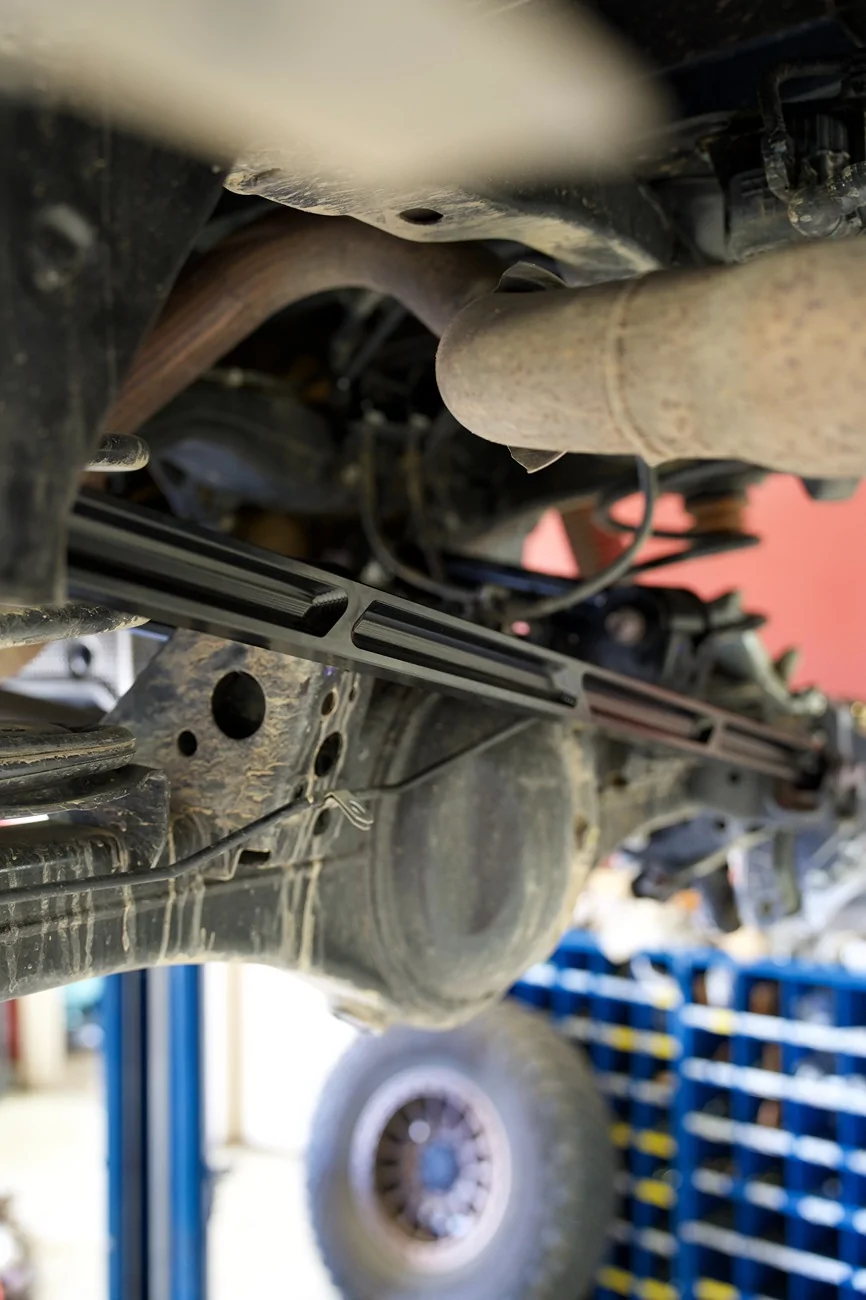
Panhard/Track bar:
- The panhard keeps the rear axle centered under the truck from left to right as the suspension moves. The upper and lower links mainly handle front-to-back location, and axle rotation, while the panhard takes care of lateral control. Without it, the axle could shift side to side in relation to the frame.
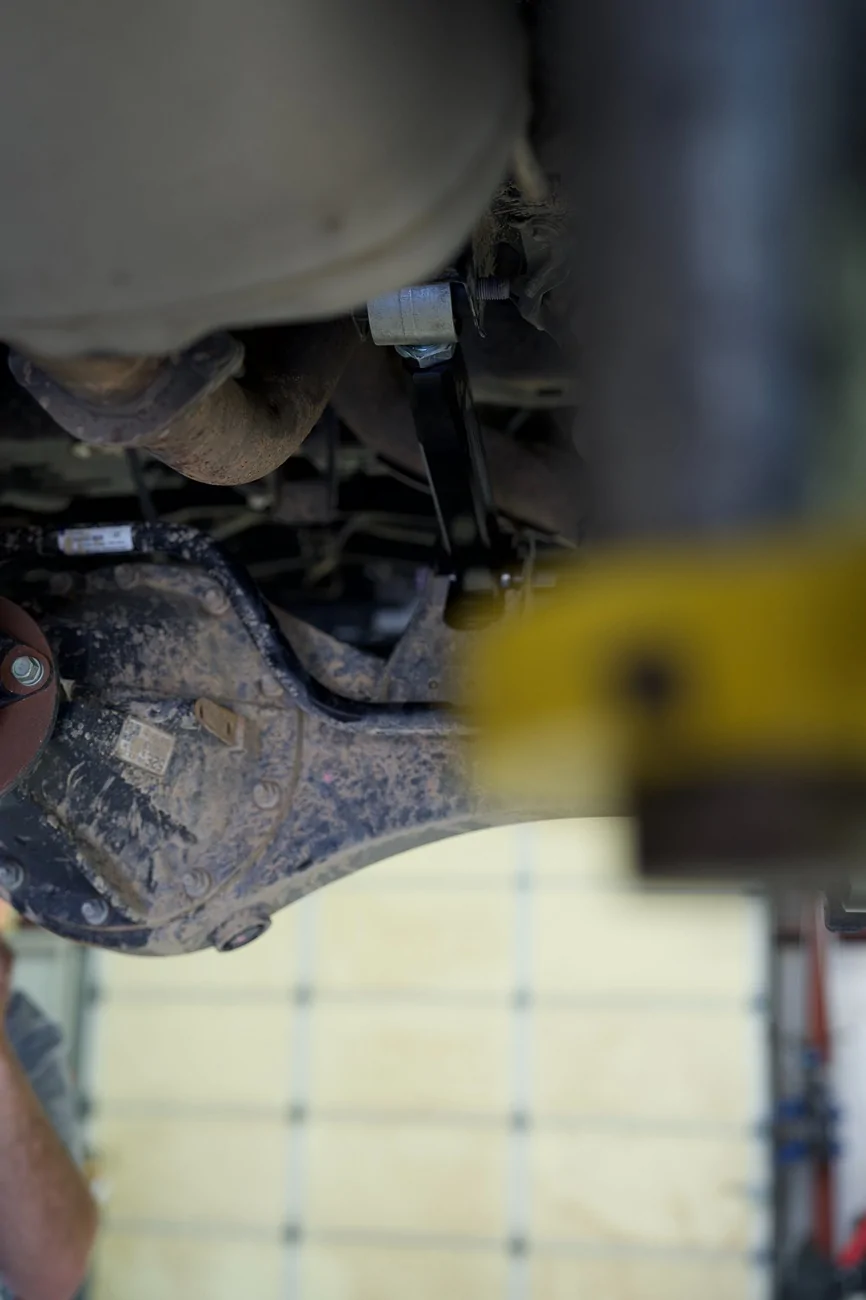
In short:
- Upper links: control axle twist
- Lower links: control front-to-back axle position and transfer force
- Panhard: controls side-to-side axle position
For years, Toyota stuck with a leaf-spring rear setup on Tacomas. In my opinion, that’s been one of the platform’s biggest weak points. I’d say 9 out of 10 3GTs, and probably some of the base model trims going forward will end up with basically “flat” leaf packs once they’re loaded down with gear, towing, add a rooftop tent, and so on. That’s why so many companies started making aftermarket leaf packs, add-a-leaf kits (AAL), hammer hangers, and similar upgrades.
While looking through upgrade options, I already knew links were something I wanted to do for a truck that’s going to see heavy off-road use.
Now, why did I go with 74Weld over everyone else? Have you seen these things? Be forreal bro. Just kidding… sort of.
Here’s why I picked them:
- Materials / Construction: All of the links are precision CNC-machined from 6061 aluminum, then anodized to help resist corrosion. If you’ve never heard of anodizing, it’s actually pretty dope. It’s an electrochemical process that thickens the metal’s natural protective oxide layer. It’s mainly used on aluminum. The process involves submerging the metal in an acid bath and running an electric current through it. Pretty sick.
- Maintenance: Each end of the upper and lower links uses a maintenance-free Rock Krawler Adventure Series joint. That means more angularity and articulation from the suspension, while still keeping the ride quiet. If you’re like me, a squeaky truck drives you insane. Especially a new one, so that matters a lot. The panhard/track bar is maintenance-free also, using a sealed flex joint on both ends.
- Adjustability: I haven’t really seen anyone mention this yet, but 74Weld offers adjustable upper and lower links. They were cool enough to get me one of the first sets they made.
- Why adjustability matters: With some suspension cycling, the adjustability lets you fine-tune where the rear axle sits after a lift, bigger tires, or extra weight. That can improve ride quality, handling, and off-road flex. I kept mine at OEM length.
I attached some photos below showing the joints and side-by-side comparisons with the stock parts. If you made it this far, thanks for reading.
Upper Links vs OEM
Rock Krawler Adventure Series joint vs OEM
Panhard / Track bar side-by-side with OEM
Sponsored