

Sponsored

Engine Load vs. RPM

GSPHerder

TRD Pro
Well-known member
First Name
Rudy
Joined
Feb 13, 2026
Threads
12
Messages
226
Reaction score
187
Location
New Mexico
Vehicle(s)
2026 Tacoma TRD PRO
Looking for you guys thoughts, RPM/Friction/Heat vs. Engine load. When you're in tow haul mode and the vehicle stays in a lower gear running around 2k rpm your engine load is less, sometimes almost half the load if your in normal mode and running around 1500rpm.

Higher rpm/lower load equals more rpm, more friction, more heat, one advantage besides less load on your crank and tranny is the additional heat helps to burn off liquids that dilute your engine oil.

Lower rpm is less friction and heat but more load and possibly more ingredients that accumulate and dont get burned off.

Looking for thoughts from some of you rocket surgeons??
Sponsored

 

MT-Taco

TRD Off-Road Premium
Well-known member
First Name
Allen
Joined
May 22, 2023
Threads
21
Messages
1,123
Reaction score
1,081
Location
Montana
Vehicle(s)
2024 TRD off-road Tacoma
If you are towing don’t let it shift past 6th. Lugging along with a trailer at low rpms doesn’t necessarily mean lower load? GM’s 6.2 gasser failures are being linked to lower RPMs with 8-10 speeds transmissions and the oil pump not keeping up.
 

24tacoman

TRD Off-Road
Well-known member
Joined
Dec 21, 2024
Threads
9
Messages
59
Reaction score
87
Location
Canada
Vehicle(s)
2024 TRD OR 6M
Be careful hitting boost below 2000 RPM. LSPI is a real thing, and although it is heavily protected against in new engines, it can still easily be done. It is more of a threat in the MT trucks as it cannot downshift to increase RPM/reduce load if it detects LSPI. My rule of thumb is less than 2000 RPM I stay out of boost period. Even at 2000 RPM my truck limits boost to around 10 PSI. It is really hard on the bottom end to lug the engine, and ten times harder on it when you add boost to the equation.
 

Mercedes

TRD Sport
Well-known member
Joined
May 27, 2026
Threads
0
Messages
69
Reaction score
69
Location
≈39N
Vehicle(s)
2026 TRD Sport "Mercedes"
Low RPM with a high engine load are the two key ingredients for Low-Speed Pre-Ignition (LSPI). I'd avoid that as much as possible by downshifting while using the highest octane fuel available.

These links are not to promote one oil brand over another. They give some good details on LSPI, what it is and why it can occur. Video at the end provides visual representation and more detail.

https://garage.eneos.us/what-is-lspi/

https://www.royalpurple.com/what-is-lspi/

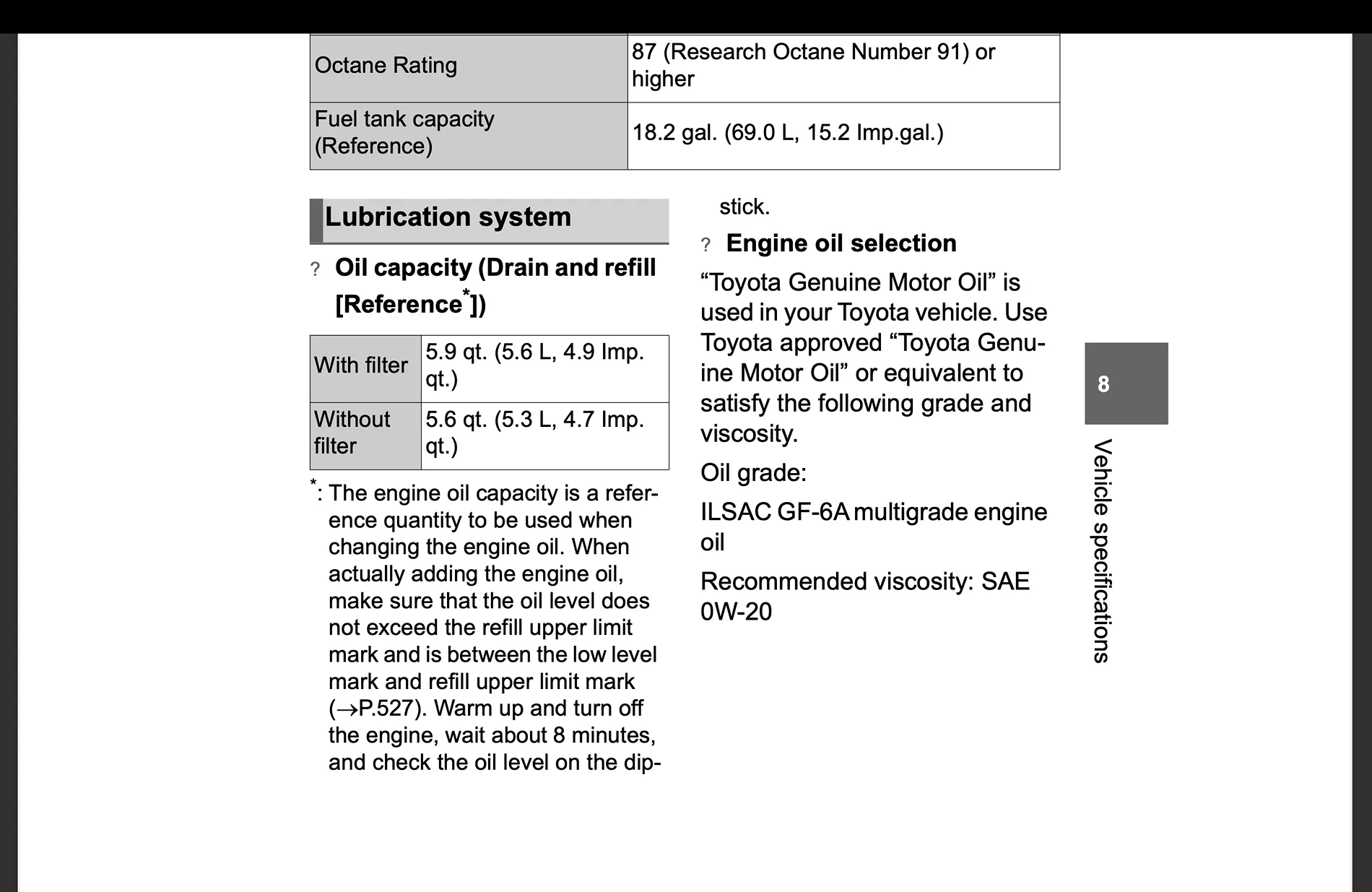
Oil standards recognize and are formulated to help alleviate or prevent LSPI. ILSAC GF-6A is the oil standard for the 4G, which will be superseded by GF-7A soon.

https://oilspecifications.org/specifications/ilsac

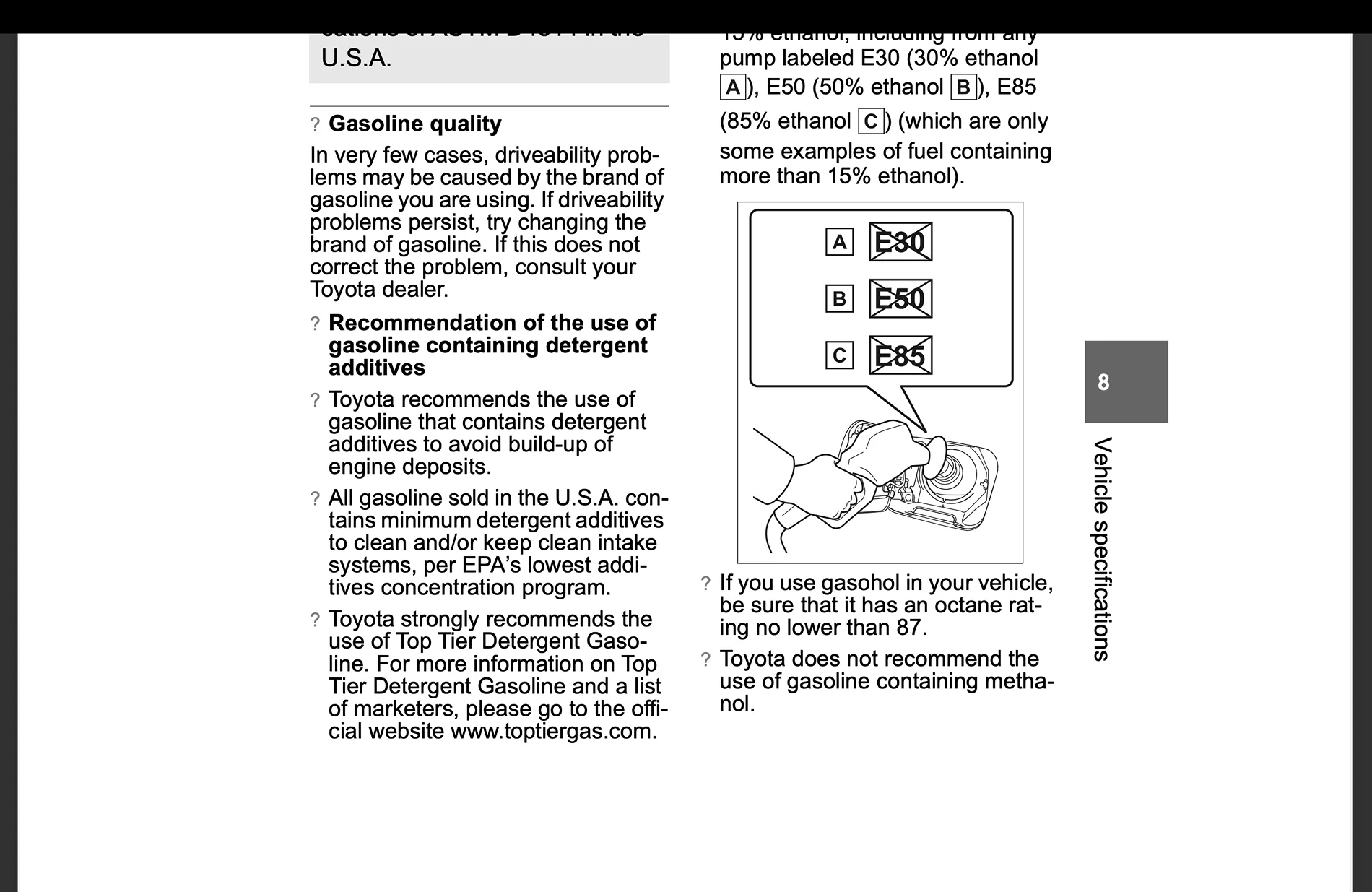
Toyota recommends using a Top Tier fuel, to keep deposits low. I use the highest octane available.

https://www.toptiergas.com/


2024 Tacoma Engine Load vs. RPM Screenshot 2026-09-25 at 03.27.04


2024 Tacoma Engine Load vs. RPM Screenshot 2026-09-25 at 03.27.31
 
Last edited:

bitflogger

TRD Off-Road
Well-known member
Joined
Jul 21, 2024
Threads
7
Messages
394
Reaction score
353
Location
WI
Vehicle(s)
2024 Tacoma TRD Offroad Long Bed
With a 4500-5500 pound load also horrible wind resistance (sailboat) I use the tow haul mode seeing it consistently makes efforts efforts to be at or above the peak torque that happens to be lower RPM. You can see it reduces boost a little. I don't hear any knocking different than the engine's second set of injectors that can be noisy.

@GSPHerder I'm not a rocket scientist but have fleet mgmt and mechanical experience from a point in my career, but do know actual professionals engineers with serious knowledge. One in automotive engine application engineering, and our child who got his engineering degree from one of the world's top schools. They say do what your owner's manual says and behave reasonably when driving.
 

Sponsored

24tacoman

TRD Off-Road
Well-known member
Joined
Dec 21, 2024
Threads
9
Messages
59
Reaction score
87
Location
Canada
Vehicle(s)
2024 TRD OR 6M
Toyota recommends using a Top Tier fuel, to keep deposits low. I use the highest octane available.
For regular use driving there is no need for premium fuel at all, but if you're towing heavy and are in boost constantly higher octane would be beneficial. Top Tier 87 is all that is needed if you're not pushing the truck to its limit
 
OP
OP
GSPHerder

GSPHerder

TRD Pro
Well-known member
First Name
Rudy
Joined
Feb 13, 2026
Threads
12
Messages
226
Reaction score
187
Location
New Mexico
Vehicle(s)
2026 Tacoma TRD PRO
I see all you guys comments and agree, Im assuming that Toyota programmed the Taco to run safely at lower rpms.

I also agree that quality fuel and oil go a long ways to protecting the engine.

Im mostly wondering which causes more engine wear over the long haul. Low rpm, low friction, lower heat and increased engine load vs. running at a higher rpm with reduced load but higher temps and more friction.

I guess maybe the answer is, where is the failure points on this new engine. Is it the cylinder walls and pistons as the video talks about, or is it in the heavy hardware, like crank, bearings, transmission.
 

CAMTuning

TRD Off-Road
Well-known member
BASIC Sponsor
First Name
Cameron
Joined
Apr 2, 2025
Threads
27
Messages
309
Reaction score
476
Location
New Mexico
Vehicle(s)
2025 Tacoma TRD OffRoad
Great topic and good discussion. RPM is your friend on a small engine like this when it is needing to do a lot of work. Yes, it generates a good amount of heat, but it also moves more coolant and oil. At very low RPM and high load, you are still building a lot of heat because the turbo will be fully spooled and cylinder pressure will be quite high. As others mentioned, this lugging is not good for the engine, and these conditions are perfect for LSPI.
 
OP
OP
GSPHerder

GSPHerder

TRD Pro
Well-known member
First Name
Rudy
Joined
Feb 13, 2026
Threads
12
Messages
226
Reaction score
187
Location
New Mexico
Vehicle(s)
2026 Tacoma TRD PRO
Thanks Cam and all, Im gonna run with it in tow haul mode 99% of the time then.
 
OP
OP
GSPHerder

GSPHerder

TRD Pro
Well-known member
First Name
Rudy
Joined
Feb 13, 2026
Threads
12
Messages
226
Reaction score
187
Location
New Mexico
Vehicle(s)
2026 Tacoma TRD PRO
some additonal thoughts for your perusal -

2026 Tacoma TRD Pro i-FORCE MAX 2.4L turbo, I’d separate coolant temperature from oil temperature, because oil temperature is the one that really matters for keeping the engine clean and the oil healthy.

The number I'd target

Engine oil: ~210–230°F (99–110°C) once fully warmed up.


That's a very healthy zone for a modern turbo four-cylinder. A general performance-engine reference puts the optimum oil range around 212–230°F, while Toyota data for its closely related 2.4L A25A family shows warmed-up oil temperatures in roughly the 176–230°F range and coolant around 167–212°F.


For your particular truck, I'd think of it like this:


Oil tempMy interpretation
<180°FToo cool if that's where it stays regularly
180–200°FWarm, but I'd want it hotter periodically
200–210°FGood
210–230°FExcellent — where I'd like to see it normally
230–240°FFine under sustained load
240–250°FGetting warm; okay temporarily
250–260°F+I'd start paying attention
270°F+Too hot for sustained normal operation

The important thing isn't that the oil must sit at exactly 220°F. It's that the engine actually gets fully hot periodically.

Why ~210°F matters more on your turbo

Your concern about the smaller turbo engines is legitimate. The 2.4L is a high-output, direct-injected turbo engine, so there is considerably more heat and cylinder pressure than you'd have in an old naturally aspirated 4-cylinder. Turbo/GDI engines are particularly demanding on lubricants.


And there are two contaminants you want the oil to get rid of:


  • water/condensation
  • fuel dilution

Fuel can get past the rings in a direct-injected engine, particularly during cold operation. Once the oil gets properly hot, volatile fuel and moisture can evaporate through the crankcase ventilation system. Toyota documentation on direct-injection engines specifically notes that repeated short trips can allow fuel dilution to accumulate because the oil doesn't reach normal operating temperature.


So there's actually a sweet spot:


Hot enough to evaporate contaminants, but not unnecessarily hot.
That's why I wouldn't chase 240–250°F just because "hotter is better."
Sponsored


Top