
Sponsored

tipsyjam

TRD Sport
Well-known member
Joined
Oct 29, 2025
Threads
5
Messages
84
Reaction score
104
Location
Hawai'i
Vehicle(s)
2024 Tacoma TRD Sport
2024 Tacoma HKS Performance Lateral Damper (Yamaha) and ARB Rear Tow Hooks Installed 52563-b24115cb079699794117a6d1e547ba0d

2024 Tacoma HKS Performance Lateral Damper (Yamaha) and ARB Rear Tow Hooks Installed 20261003_164642
2024 Tacoma HKS Performance Lateral Damper (Yamaha) and ARB Rear Tow Hooks Installed 20261003_164647
2024 Tacoma HKS Performance Lateral Damper (Yamaha) and ARB Rear Tow Hooks Installed 52566-1c78ca4ab3dcc76073e7837df02793dd
2024 Tacoma HKS Performance Lateral Damper (Yamaha) and ARB Rear Tow Hooks Installed 52567-deec866e813ae5266715d5ae571f5c12

2024 Tacoma HKS Performance Lateral Damper (Yamaha) and ARB Rear Tow Hooks Installed 20261003_164710

2024 Tacoma HKS Performance Lateral Damper (Yamaha) and ARB Rear Tow Hooks Installed 20261003_125612
2024 Tacoma HKS Performance Lateral Damper (Yamaha) and ARB Rear Tow Hooks Installed 20261003_125549
2024 Tacoma HKS Performance Lateral Damper (Yamaha) and ARB Rear Tow Hooks Installed 20260928_195505
2024 Tacoma HKS Performance Lateral Damper (Yamaha) and ARB Rear Tow Hooks Installed 20260928_194550
2024 Tacoma HKS Performance Lateral Damper (Yamaha) and ARB Rear Tow Hooks Installed 20260928_194704
2024 Tacoma HKS Performance Lateral Damper (Yamaha) and ARB Rear Tow Hooks Installed 20261001_175621
2024 Tacoma HKS Performance Lateral Damper (Yamaha) and ARB Rear Tow Hooks Installed 20261001_175329
2024 Tacoma HKS Performance Lateral Damper (Yamaha) and ARB Rear Tow Hooks Installed 20260925_161352


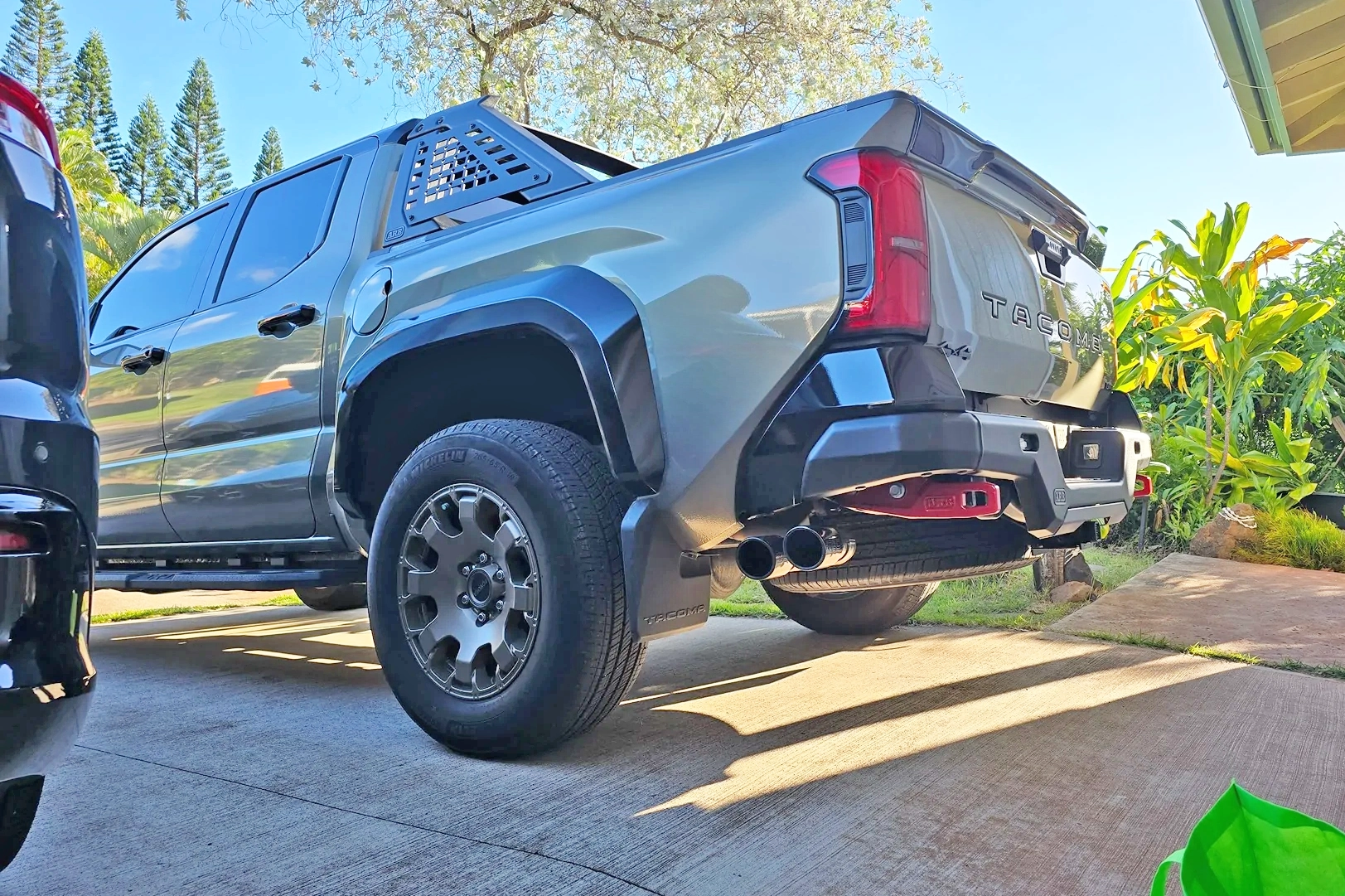
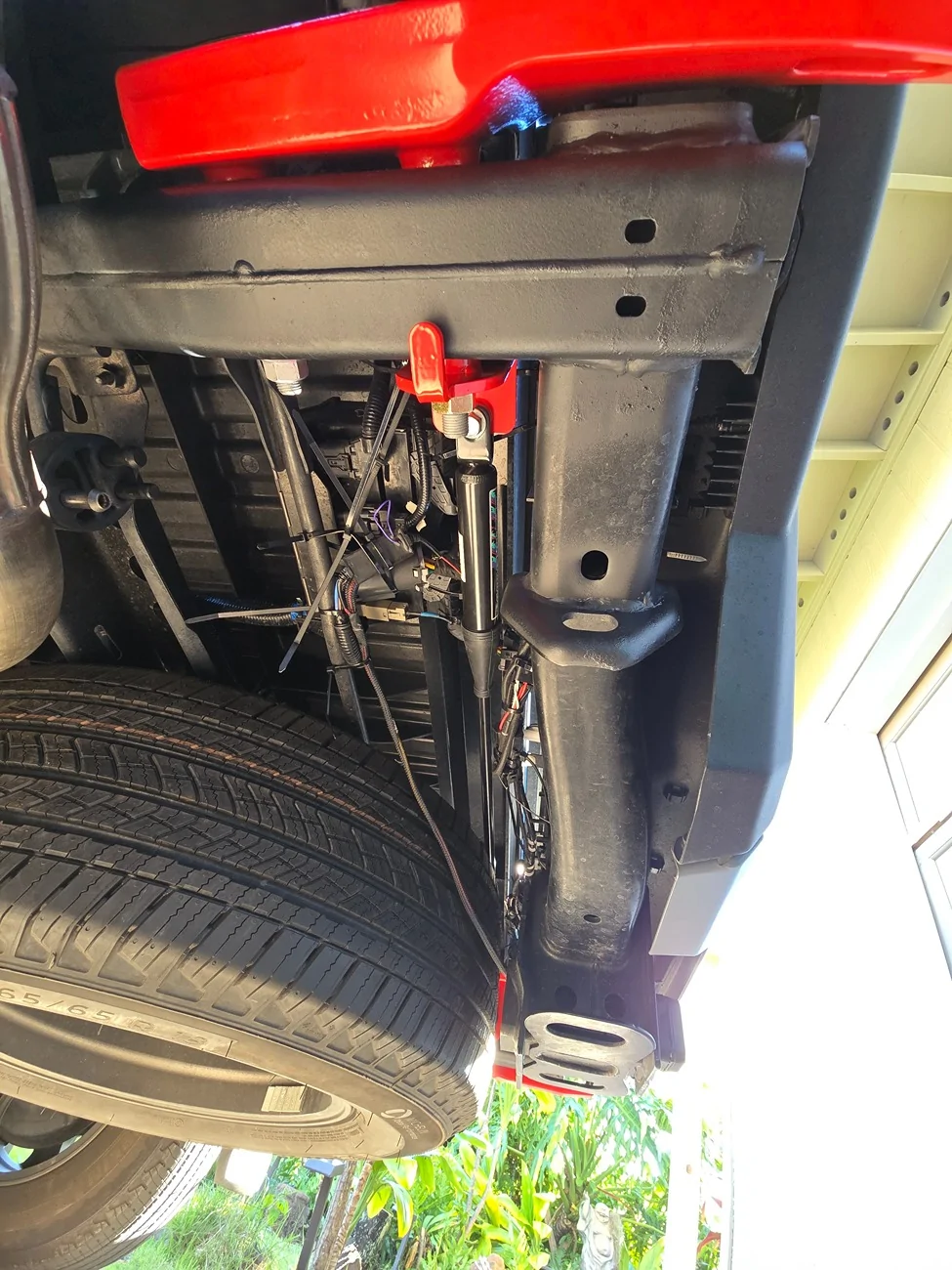
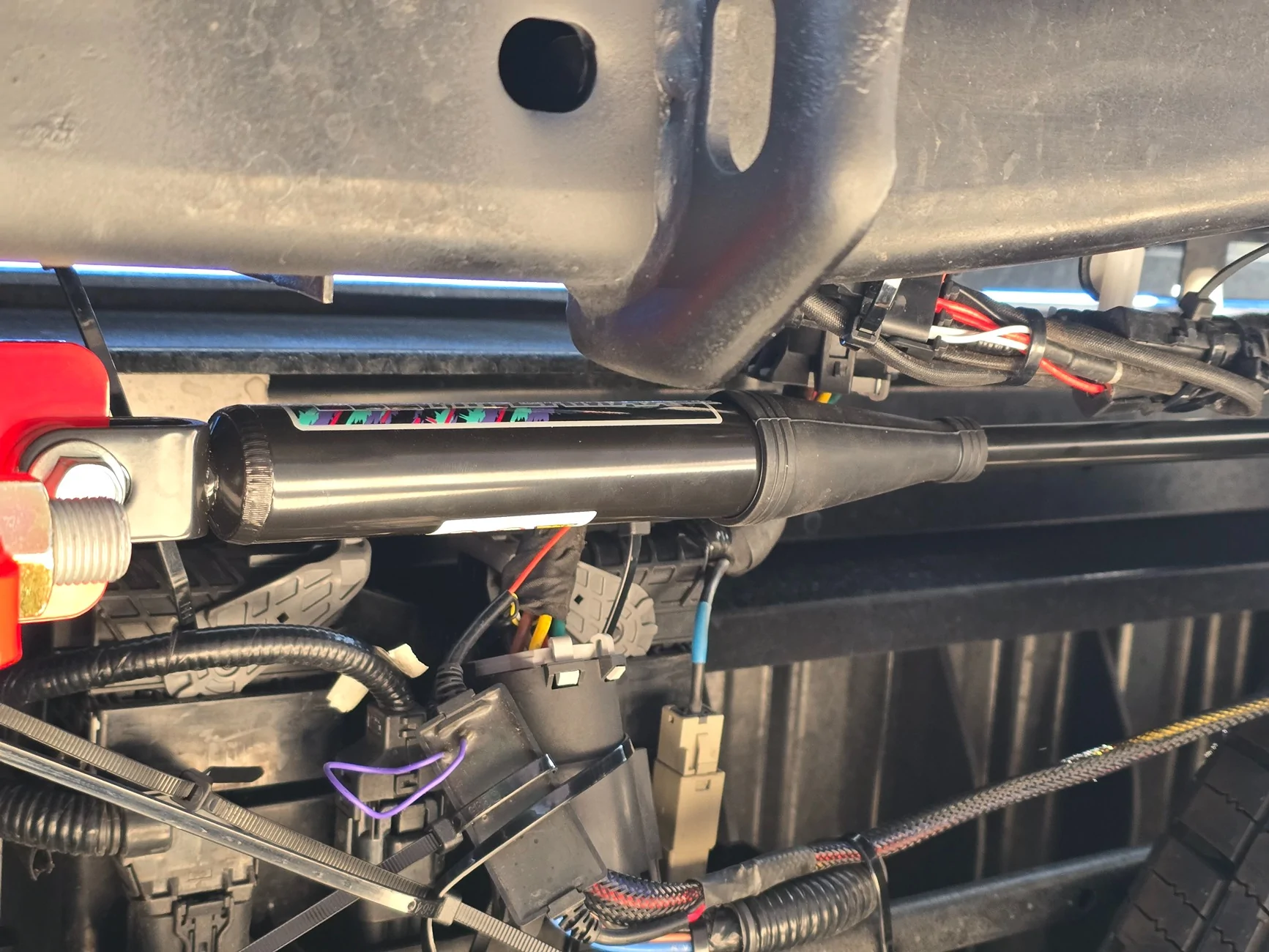
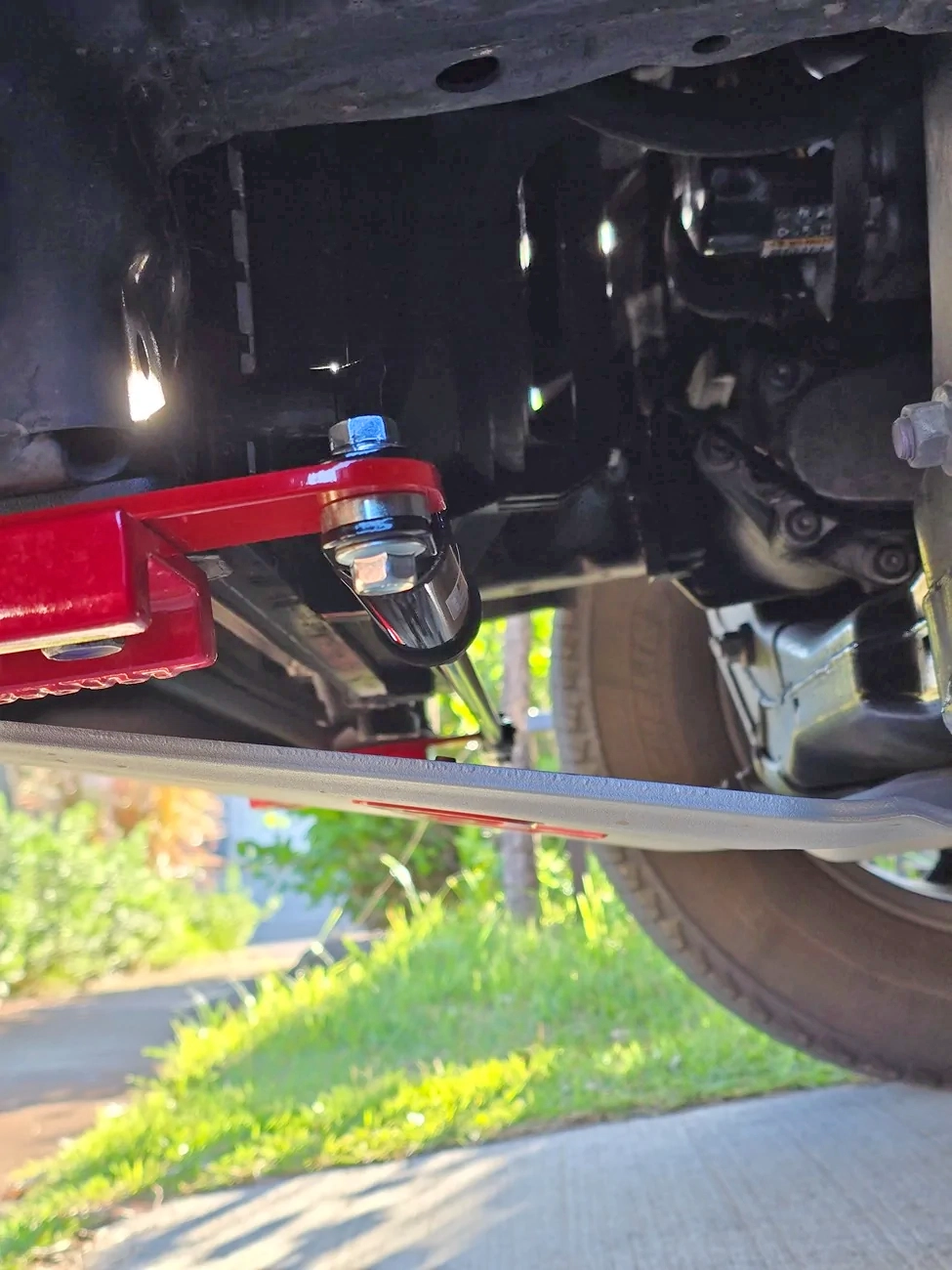
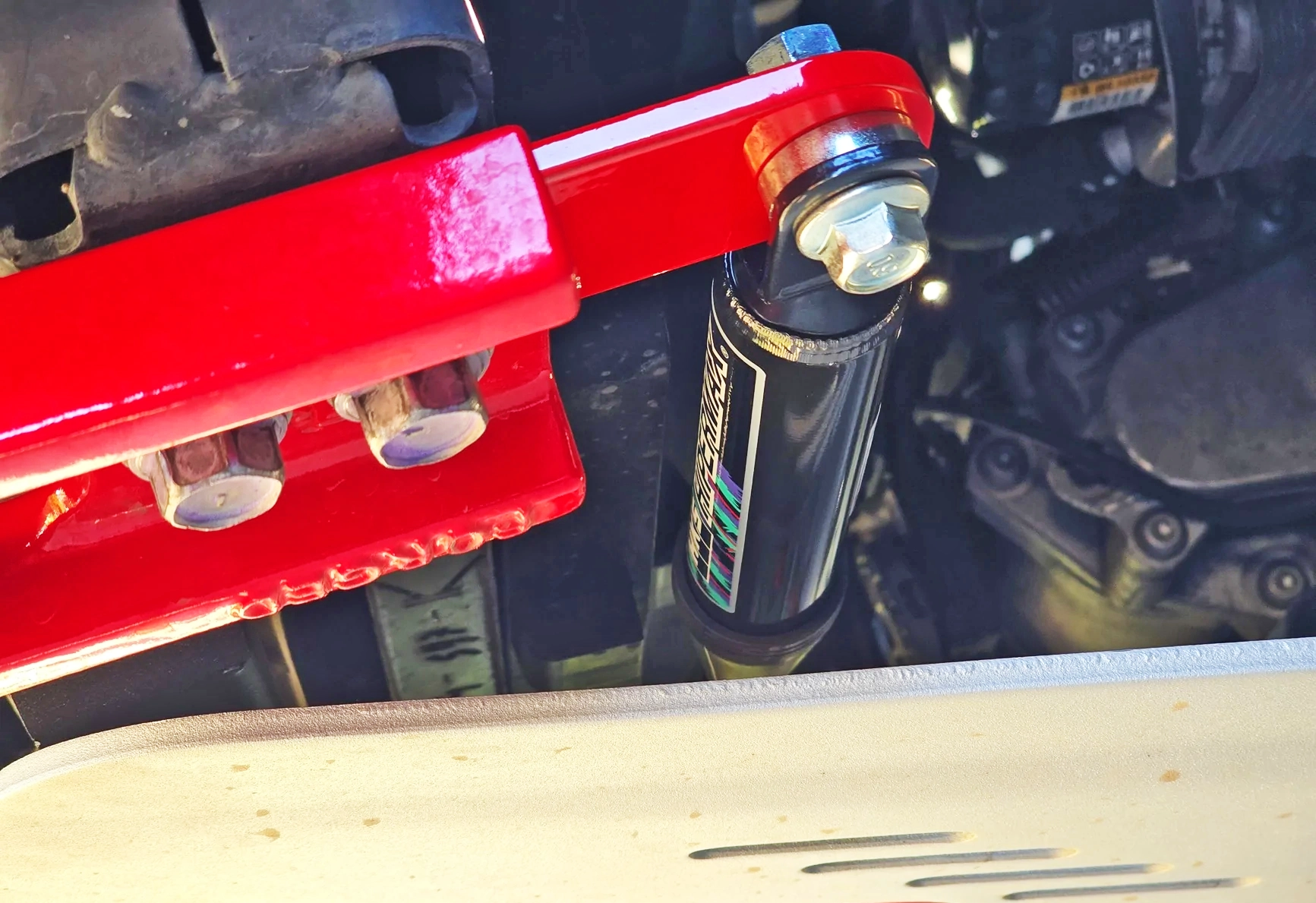
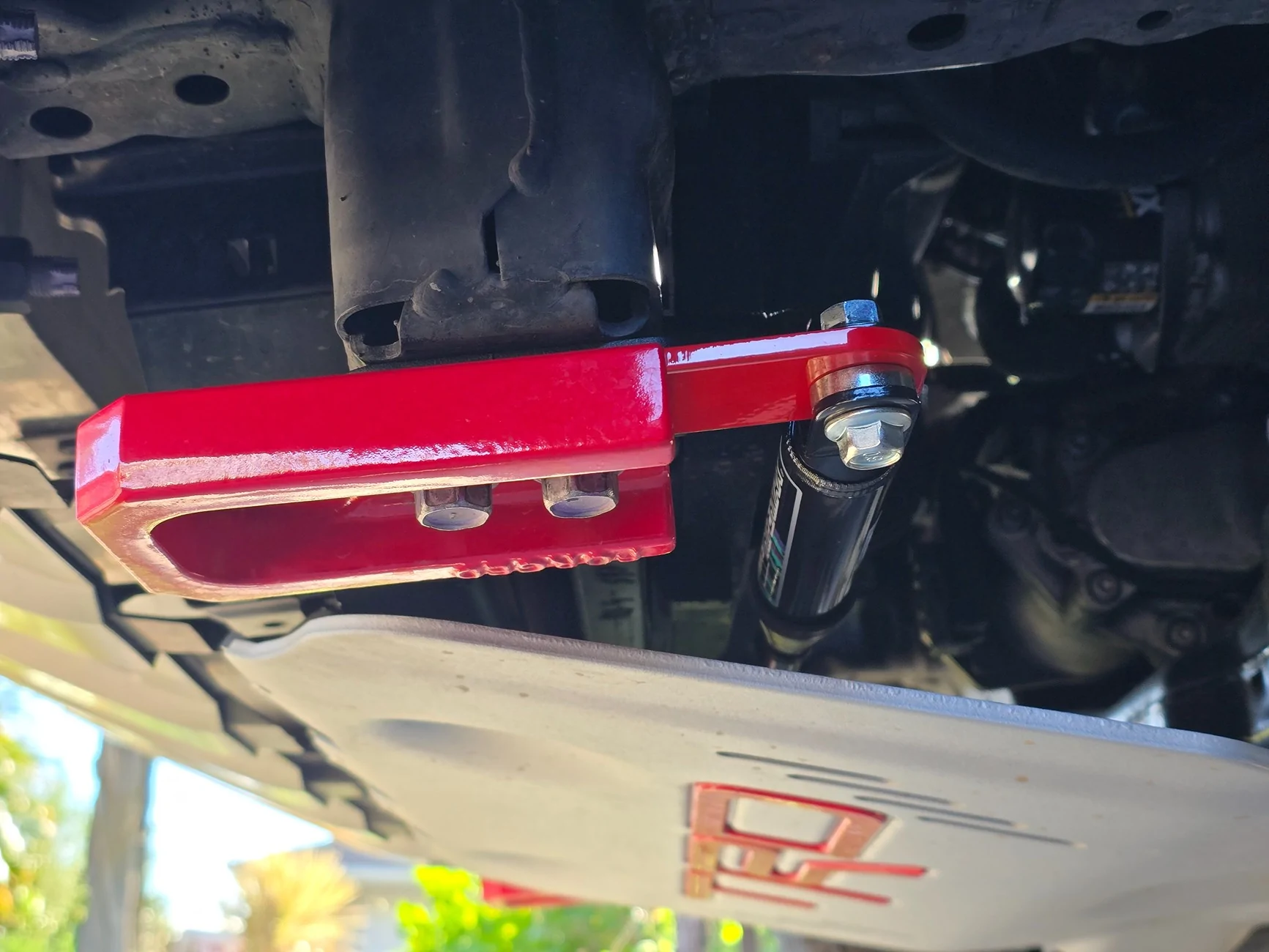
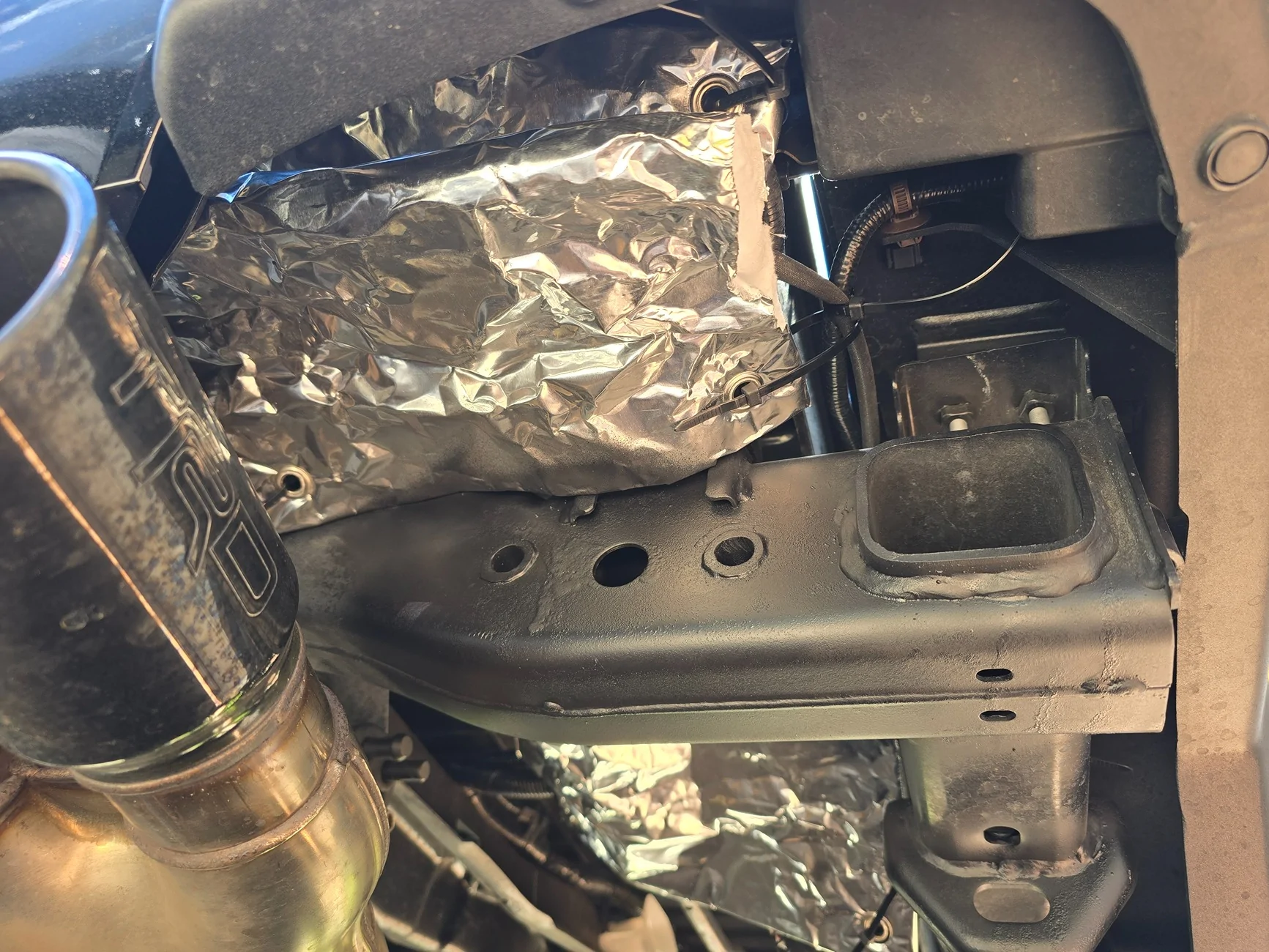
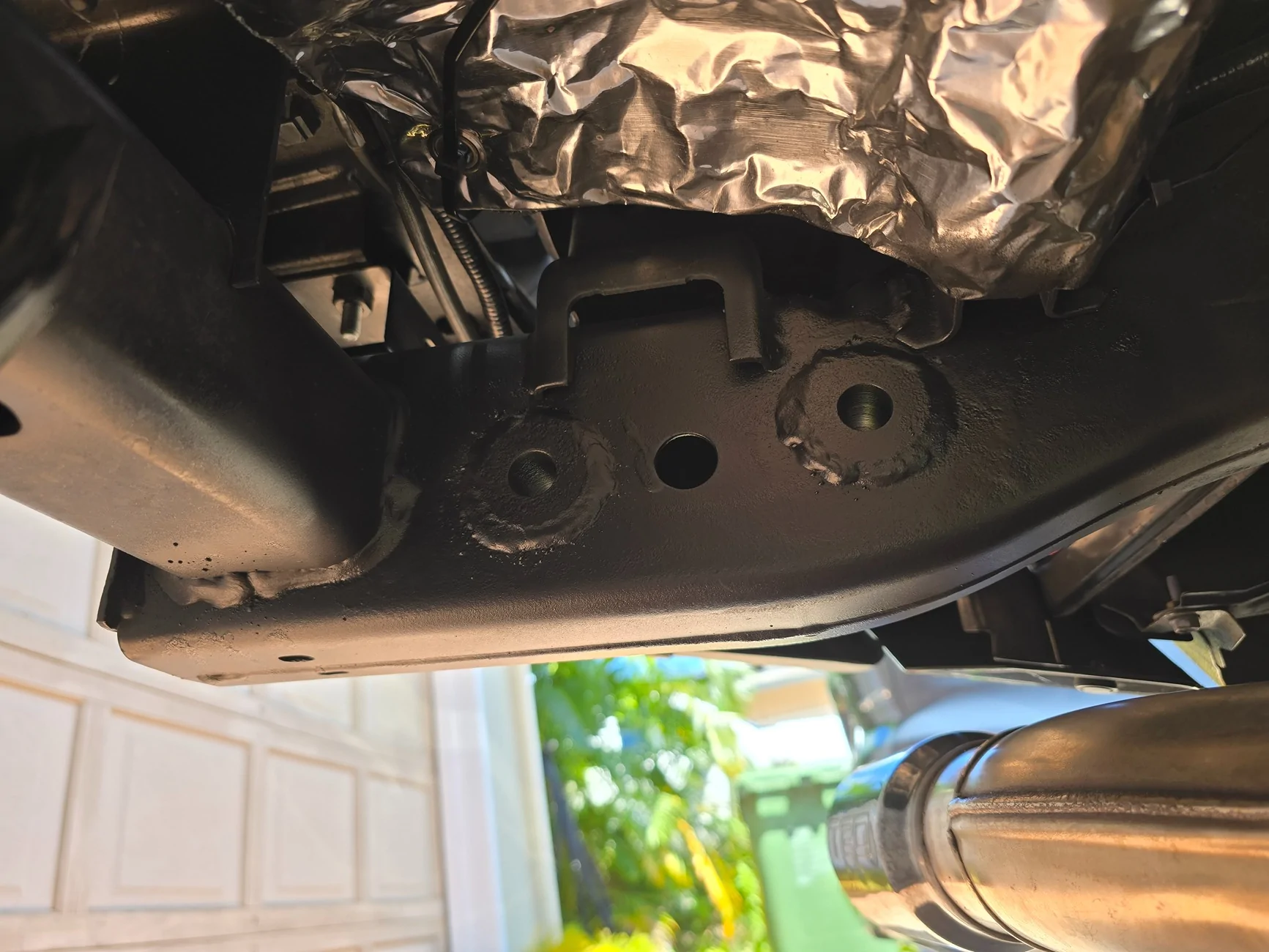
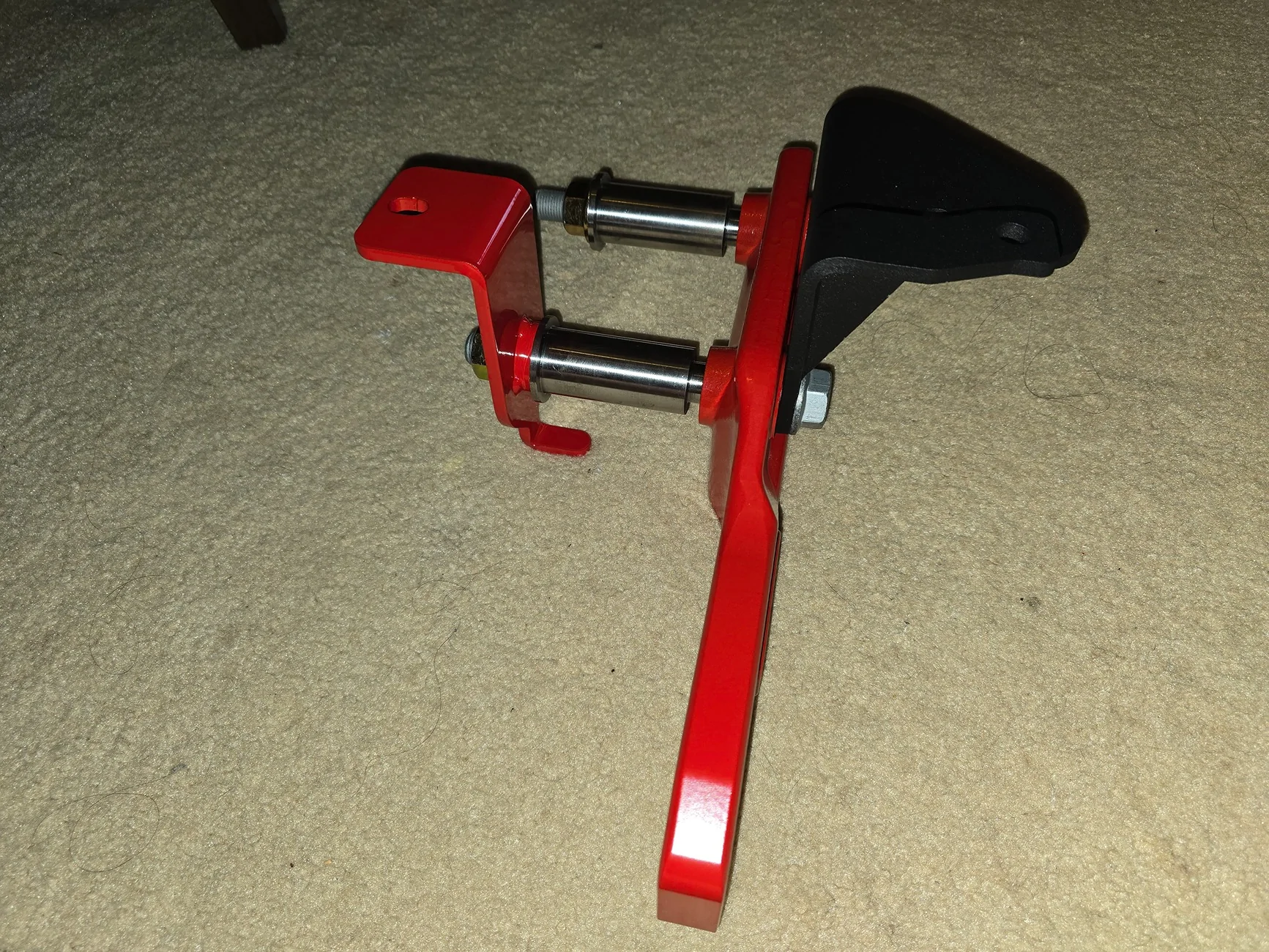
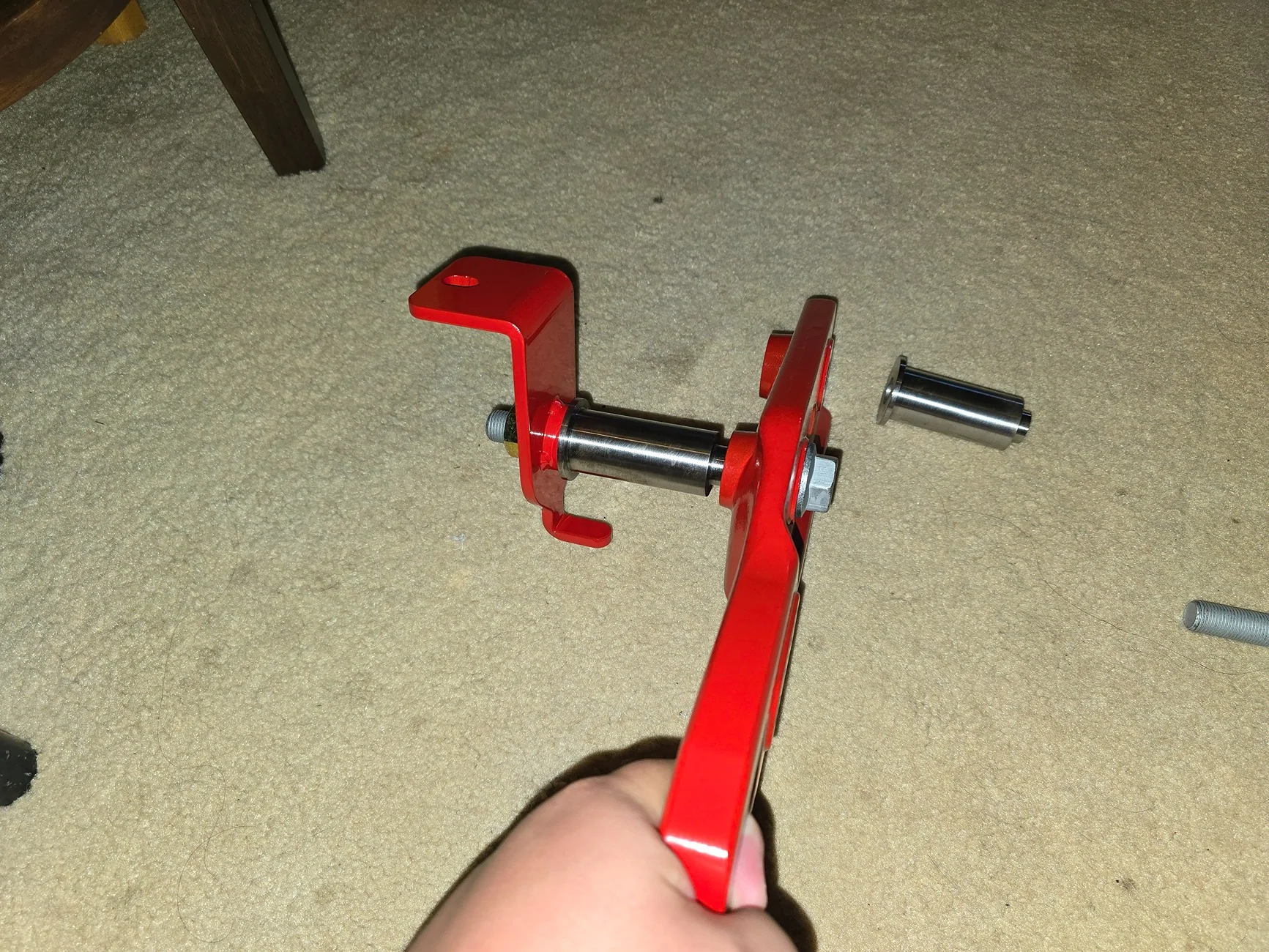
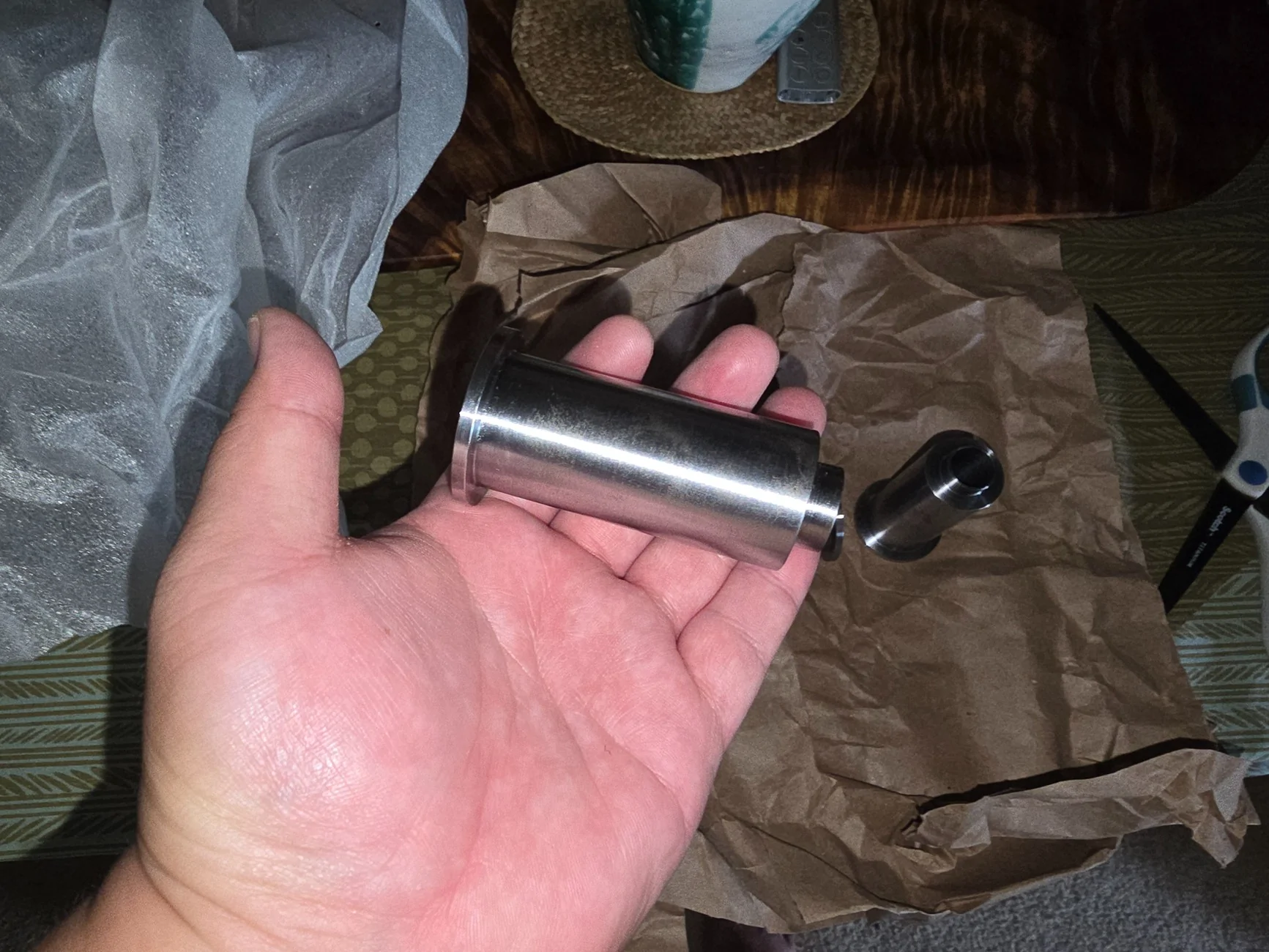
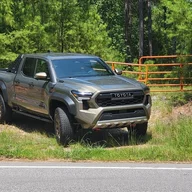
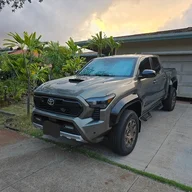
Installed HKS Performance Dampers to my frame today. Shout out to Teqsport for having them in stock and for starting to gather all the OEM parts for our trucks on their website. These dampers were designed for a TRD Pro, so I got reinforcement collars welded into the frame where the ARB Rear Tow Hook fasteners go as the required torque for the bracket that holds the dampers would yield the frame. Shout out to D's Automotive in Kapolei for the welding job. Decided to also install the ARB Rear Tow Hooks at the same time since the reinforcement collars would prevent the frame from yielding under the OEM torque specification and the HKS damper instructions show that the hooks can be installed at the same time.

Happy with the look of the ARB Rear Tow Hooks - they look like little flames shooting out the back of the truck and go well with the ARB rear bumper. It is also reassuring to know that they are functional if I ever need them when I get stuck in the grass swale on the side of the costco parking lot.

I am actually impressed with the HKS Performance Dampers. Thought it wouldn't make too much of a difference, but the reduction in vibration, chassis flex, and body roll is apparent while driving. Very noticeable at low speeds. At higher speeds, the effect is less pronounced but still obvious. Worst thing about them is, as of today 10/3/26, the fasteners they were shipped with will not work with the ARB Rear Tow Hooks also installed, you will need custom fasteners. The bracket damper mounting fasteners are fine. Teqsport now has a note on their website saying this and is in contact with HKS after I informed them. Unsure when it will be resolved.

I kept thinking to myself that it felt weird and funny because my body and head were reacting too hard to turns and road imperfections I had driven through hundreds of times. I'd liken it to lifting a hollowed and dried out tree stump that you didn't know was in that condition. You prepare yourself based on how it looks and prior experience, and you start to lift like it's heavy, but then all of a sudden you stand up holding the tree and you realize you didn't have to do all that. It was a weird but satisfying feeling and I kept smiling to myself when I was driving, like all that effort put into keeping myself upright in turns was no longer needed. Interesting thing I also noticed is the truck felt more eager to accelerate during turns and out of turns. I think it is because the truck is more planted with the reduction in bodyroll, so the ECU is allowing more acceleration. I always noticed that the truck would cut power when turning and I attributed it to a traction control type protection. Would recommend the dampers if you got the rear frame reinforcement collars already welded in. It's good fun driving around.

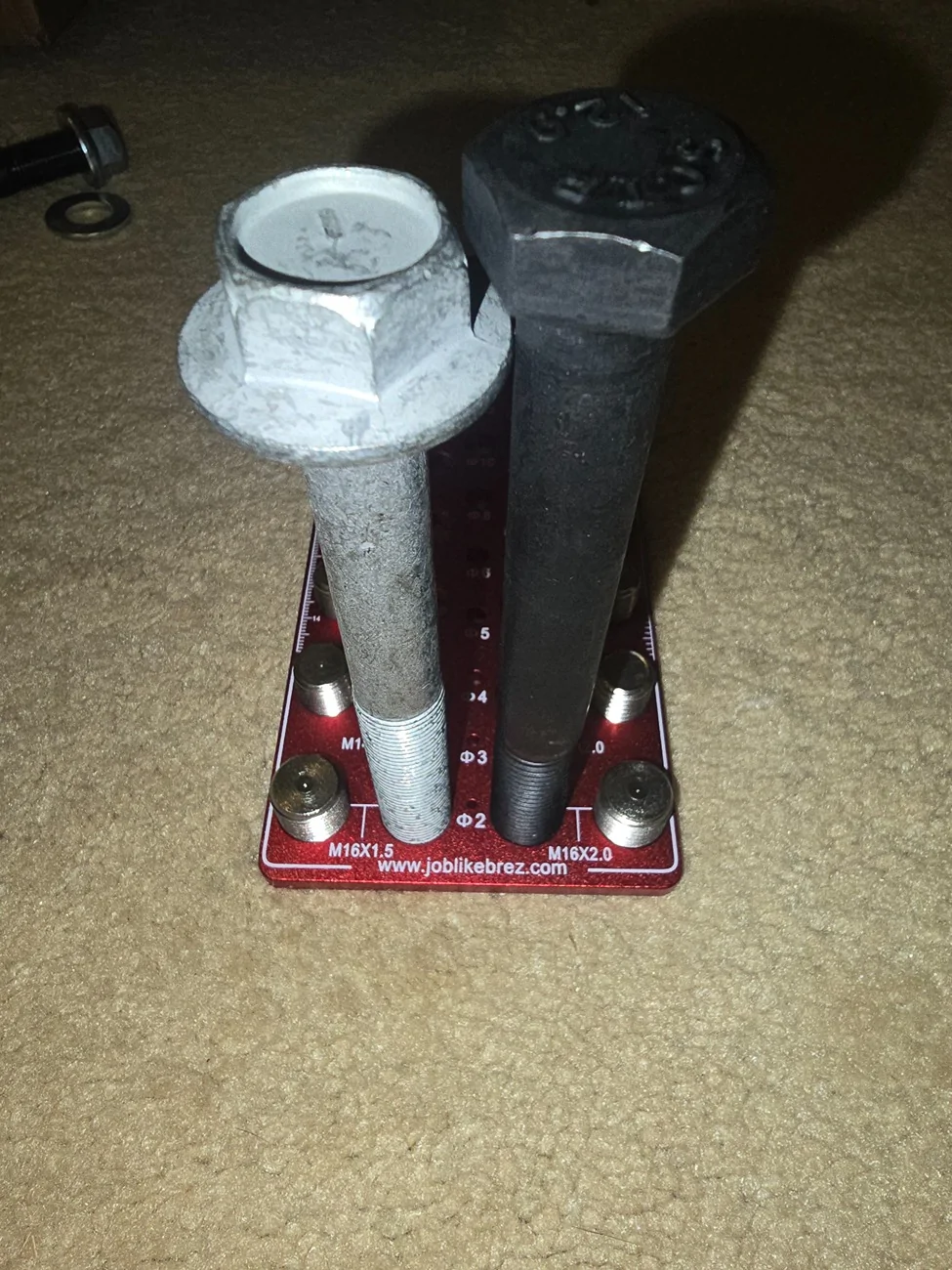
Tried to also install my bedstep with a bedstep relocation bracket, but the flanged bolts I bought were a bit too large to push past the bedstep assembly, folded up or deployed didn't make a difference.

Shout out to Belmetric.com for having all these weird bolts on tap. Waiting on my normal hex head bolts and washers so I can have my bedstep again.

_______________________________________
I had written a bunch of paragraphs explaining, but here below are the minimum* fastener sizes needed for the different variations of mod combinations summarized. Should be easier:

CAUTION! ARB REAR TOW HOOKS AND HKS PERFORMANCE DAMPERS REQUIRE REAR FRAME REINFORCEMENT COLLARS WELDED IN OR YOUR FRAME WILL YIELD UNDER THE REQUIRED TORQUE SPECIFICATION.

OEM fasteners are zinc flake coated. Yellow zinc coating has similar or better corrosion resistance characteristics.

All will require 22mm (OEM) and/or 24mm (common alternative) sockets with matching open ended or box wrenches plus a torque wrench capable of 125 ft-lbs. Usually these are all 1/2-inch drive, so a 1/2-inch drive ratchet may also be warranted if you need. Some extensions will also help for torquing and ratchet wrenching.

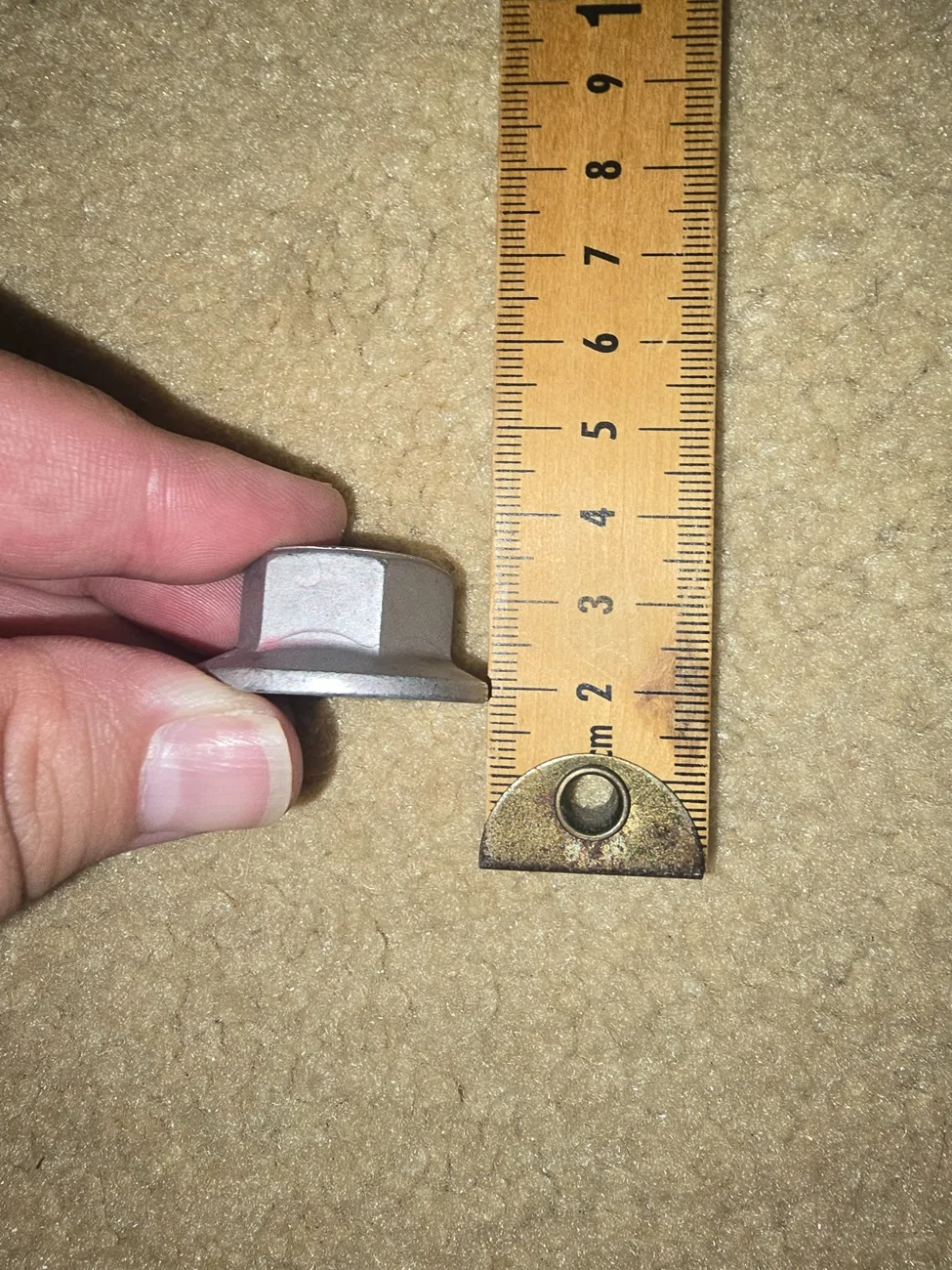
Flange nuts are typically ~15mm tall. Flange bolts typically have a ~35mm OD flange.

Only ARB tow hooks:
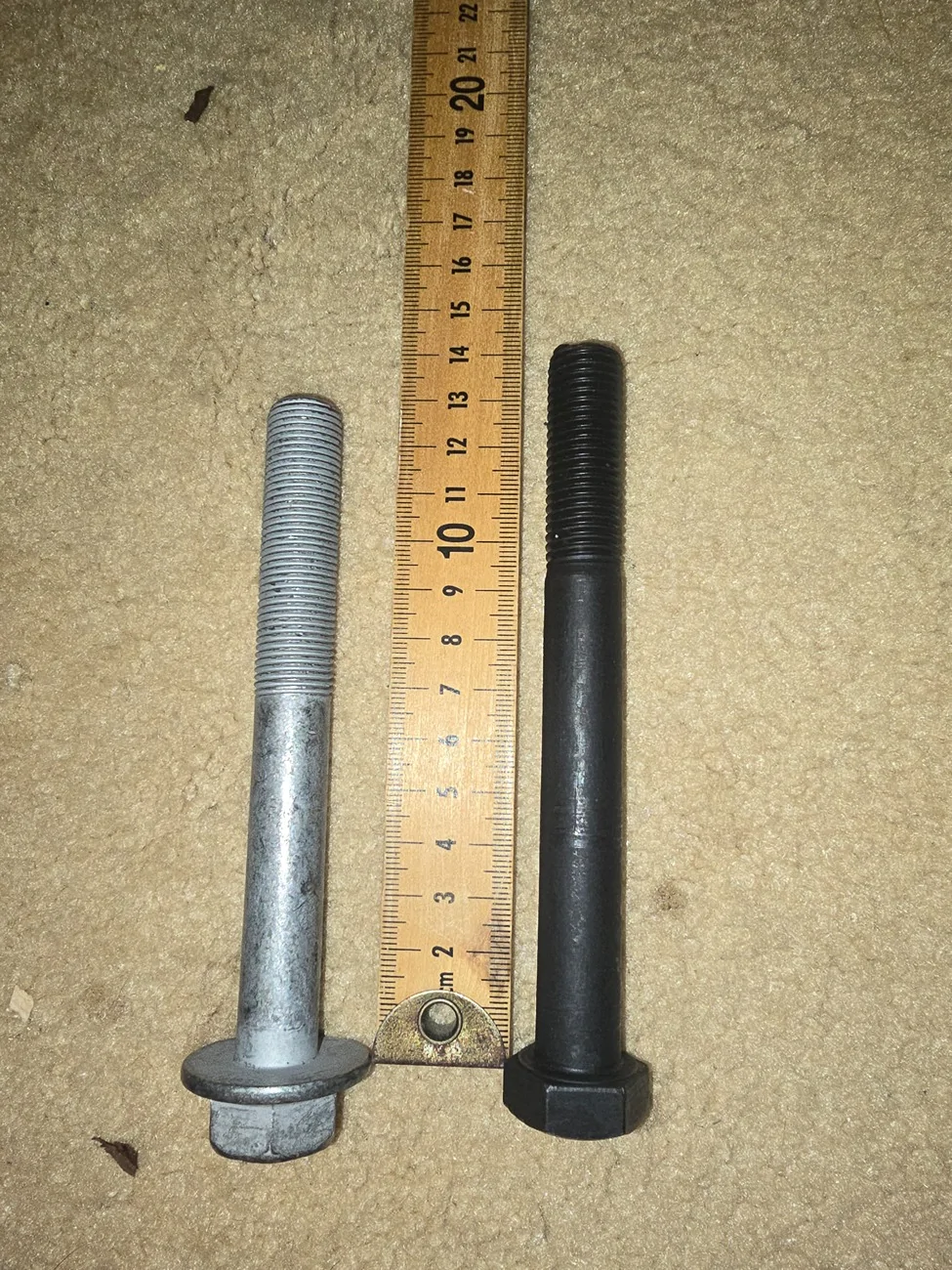
4 each M16x1.5x130mm flange bolts with 4 each matching M16x1.5 flange nuts.

ARB tow hooks with bedstep relocation bracket:
2 each M16x1.5x140mm hex head bolts
2 each M16 washers less than or equal to 35mm OD
2 each M16x1.5x130mm flange bolts
4 each M16x1.5 flange nuts.

ARB tow hooks with HKS dampers:
2 each M16x1.5x150mm flange bolts
2 each M16x1.5x130mm flange bolts
4 each M16x1.5 flange nuts

ARB tow hooks, HKS damper, and bedstep relocation bracket:
1 each M16x1.5x150mm hex head bolt
1 each M16x1.5x140mm hex head bolt
2 each M16 washers less than or equal to 35mm OD
1 each M16x1.5x150mm flange bolt
1 each M16x1.5x130mm flange bolt
4 each M16x1.5 flange nuts

*Easiest is to buy all four M16x1.5x150mm bolts, figuring out how many of each should be flanged or normal hex head. At least two need to be normal hex head if using the bedstep relocation bracket. For normal hex head bolts, get them each with a matching M16 washer. Then, buy 4 each M16x1.5 flange nuts.

Edit: shout out also to Garage88 for their front skid plate crossmember. This is the only one so far that actually lines up to the skid plate mounting holes and allows the tow hooks to sit flat and has pretty good steel being used.

Rival 4x4 allows the tow hooks to sit flat but theirs never lined up with my skid plate no matter what I did. Also pretty weak steel used - I straight up tapped through it the second time mounting my skid plate. Ratcheting by hand, too.

RCI probably the most beefy and lined up, but interfered with tow hooks. Same with greenlane offroad, although theirs was much less interference than RCI. Never tried NYTOP and will not.
Sponsored


Attachments

Last edited:

Will721

TRD Off-Road
Well-known member
First Name
Will
Joined
Nov 19, 2025
Threads
4
Messages
495
Reaction score
581
Location
Quad Cities
Vehicle(s)
2025 TRD OR
Can someone explain to me how these things allegedly work? Especially when mounted right next to a fully welded and boxed hitch?

Like, I get the concept for unibody. But a fully boxed truck frame and right next to cross members? What possible flex would there be, in those locations and how would you even feel it in a body on frame rubber bushed chassis?
 
OP
OP
tipsyjam

tipsyjam

TRD Sport
Well-known member
Joined
Oct 29, 2025
Threads
5
Messages
84
Reaction score
104
Location
Hawai'i
Vehicle(s)
2024 Tacoma TRD Sport
Can someone explain to me how these things allegedly work? Especially when mounted right next to a fully welded and boxed hitch?

Like, I get the concept for unibody. But a fully boxed truck frame and right next to cross members? What possible flex would there be, in those locations and how would you even feel it in a body on frame rubber bushed chassis?
Official Yamaha explanation:


They come on Lexus' (Lexuses, Lexusi? Lexi?):


Visual on a Tundra:


Just thought I'd try it. These are initial impressions and I will know more once I drive more with them. I'm interested in how long they will last. They are basically struts that run between frame rails.

Edit: I guess I didn't answer any of your questions either. But my understanding is they are at the places where there is maximum deflection of the frame since the front and rear ends of the frame side rails are farthest from the forces applied by the wheels/tires/suspension and because there's no real "supports" on the frame in these places, the frame rails deflect freely. These performance dampers are providing additional spring and damping influence to the mass-spring-damper system that is the frame itself during flexural and torsion events. Basically, the envelope that encloses the displacement of the frame should either be squeezed tighter or the decay rate of the envelope should be quicker so that the frame returns to baseline quicker. Maybe both if they are actually well designed.

Would you feel vibrations damping out quicker and of lesser amplitude than before these were installed? Subjectively, its pretty obvious when driving. You would need lots of measuring equipment to objectively collect data on what they are doing. I bet monitoring the trucks accelerometers and yaw/pitch/roll sensors or whatever they use for that one gauge cluster screen would provide clear data.
 
Last edited:

TX-MD

SR5
Well-known member
First Name
marvin
Joined
May 18, 2025
Threads
6
Messages
78
Reaction score
39
Location
AR
Vehicle(s)
Tacoma, 4Runner
Nice write up Tipsyjam. The 2 pictures of your frame rails before mounting the ARB hooks, is that with the collars installed? I thought trail hunters already came with the ARB hooks?
Asking as my SR5 rear frame rails have something similar welded into those holes in the same location, and I understood that as “having the collars”. Don’t have the ARB hook (yet) but thinking, could something else fit in that opening and still accept a bolt?
 
OP
OP
tipsyjam

tipsyjam

TRD Sport
Well-known member
Joined
Oct 29, 2025
Threads
5
Messages
84
Reaction score
104
Location
Hawai'i
Vehicle(s)
2024 Tacoma TRD Sport
Nice write up Tipsyjam. The 2 pictures of your frame rails before mounting the ARB hooks, is that with the collars installed? I thought trail hunters already came with the ARB hooks?
Asking as my SR5 rear frame rails have something similar welded into those holes in the same location, and I understood that as “having the collars”. Don’t have the ARB hook (yet) but thinking, could something else fit in that opening and still accept a bolt?
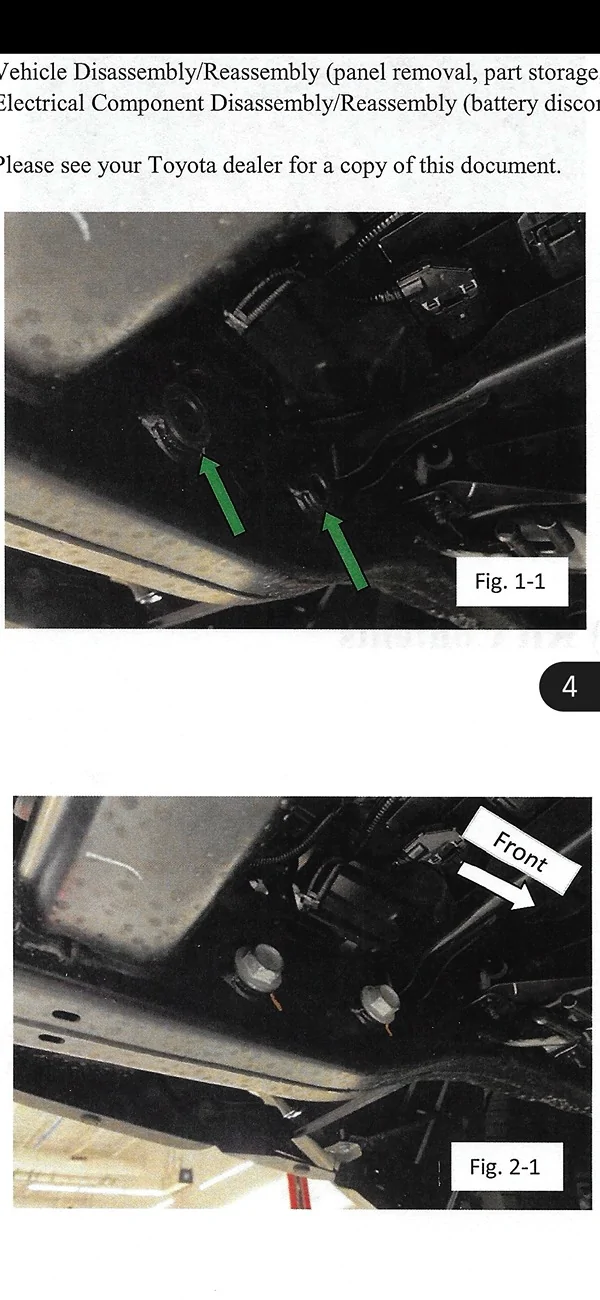
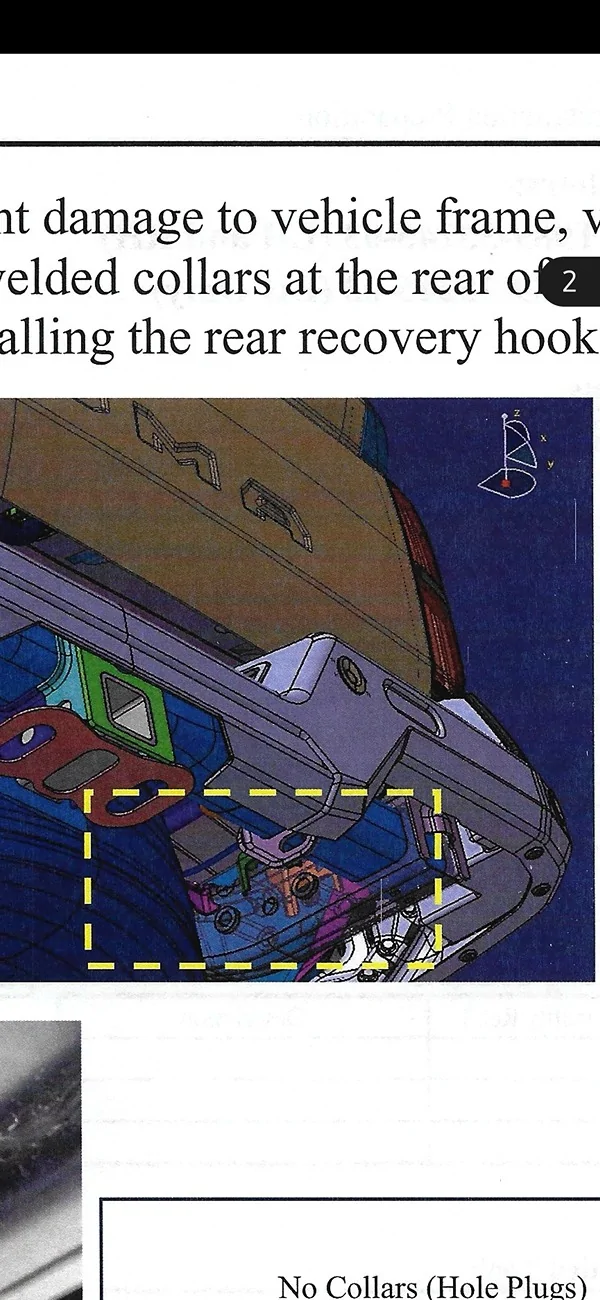
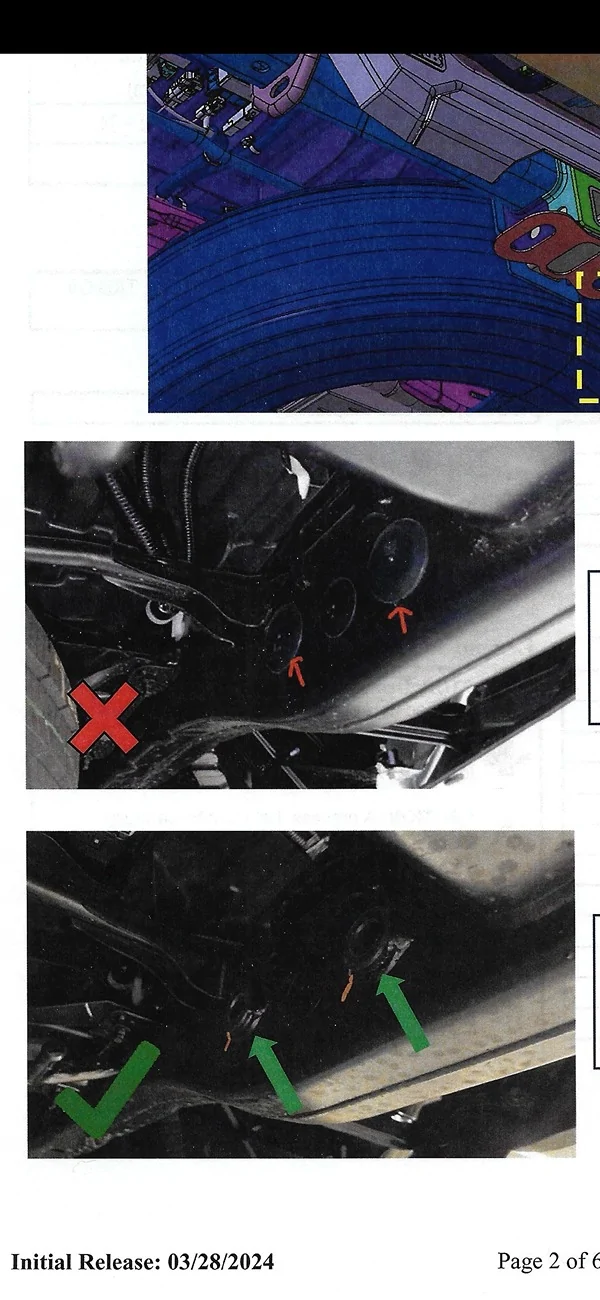
TX, yes the pictures of the frame rail is with the collars installed. My frame rails used to have plastic caps there with holes pre-punched from the factory. Here's some pics from the ARB tow hook install instructions of what it used to look like and how it should look with the collars welded in:

2024 Tacoma HKS Performance Lateral Damper (Yamaha) and ARB Rear Tow Hooks Installed Screenshot_20260928_090307_Adobe Acrobat
2024 Tacoma HKS Performance Lateral Damper (Yamaha) and ARB Rear Tow Hooks Installed Screenshot_20260928_090233_Adobe Acrobat
2024 Tacoma HKS Performance Lateral Damper (Yamaha) and ARB Rear Tow Hooks Installed Screenshot_20260928_090249_Adobe Acrobat


If your truck is newer than 2024 you may have them welded in from the factory. Toyota skimped on us early adopters that didn't buy a TRD Offroad or higher trim. Many 2024 buyers like myself didn’t have the front crossmember for the skid plate or the collars in the rear.

My truck is actually a TRD Sport non-premium, gas, auto transmission, base model with just a sport upgrade package which meant metal pedals and 14 inch screen. Edit: and the sport hood and hood scoop. Totally forgot about the most important part of my truck.
 
Last edited:

Sponsored

Turbo2Pete

Trailhunter
Well-known member
First Name
Pete
Joined
Aug 9, 2026
Threads
2
Messages
96
Reaction score
87
Location
NY (not the blasted City!!!)
Vehicle(s)
'25 Trailhunter
Looking at the spindly rear 'damper' next to and parallel to , a 60mm square tube bolted across the same points and gotta seriouisly question Toyota's pitch (and both of their videos sounded more like marketing than any kind of techcnical explanation)
and I can't help saying, there's not going to be any movement to dampen - if those rails are moving 1mm at that point - there are serious structural problems going on!

...not sure what's in the front frame area as I haven't crawled under there yet...

if it was just an inertial damper I'd have more understanding and faith in it ('60's Camaro convertibles for instance, had inertial dampers at all 4 corners, looked like a coffee can - with an internal sprung and damped weight) but it's a strut damper in a position where there's no movement?????/
 

Will721

TRD Off-Road
Well-known member
First Name
Will
Joined
Nov 19, 2025
Threads
4
Messages
495
Reaction score
581
Location
Quad Cities
Vehicle(s)
2025 TRD OR
That was kind of my thought process as well. Combined with every oem car that uses these dampers appears to be unibody construction and claims its primary goal is felt vibration. But in a truck your riding in a cab which is isolated from the chassis with rubber anyway.


Watching the videos was...interesting. The vibe is like a commercial for a drug company and makes wild claims that they "may" help everything under the sun. Somehow including tire wear and door closure?
 
OP
OP
tipsyjam

tipsyjam

TRD Sport
Well-known member
Joined
Oct 29, 2025
Threads
5
Messages
84
Reaction score
104
Location
Hawai'i
Vehicle(s)
2024 Tacoma TRD Sport
Looking at the spindly rear 'damper' next to and parallel to , a 60mm square tube bolted across the same points and gotta seriouisly question Toyota's pitch (and both of their videos sounded more like marketing than any kind of techcnical explanation)
and I can't help saying, there's not going to be any movement to dampen - if those rails are moving 1mm at that point - there are serious structural problems going on!

...not sure what's in the front frame area as I haven't crawled under there yet...

if it was just an inertial damper I'd have more understanding and faith in it ('60's Camaro convertibles for instance, had inertial dampers at all 4 corners, looked like a coffee can - with an internal sprung and damped weight) but it's a strut damper in a position where there's no movement?????/
If you're saying the frame rails shouldn't be flexing or twisting more than 1mm during normal driving, that is incorrect. If you're also saying that your frame rails aren't deflecting at the extreme ends from where they are "supported" by the suspension, that is also incorrect. Your frame is probably deflecting more than 1mm right now under its own weight.

The frame displacement at the extreme ends must be in the 10s of millimeters and even more probably up to 100mm in some extreme cases. You cannot make a frame so rigid to limit any displacement to 1mm or less or the stress introduced during normal driving will crack the welds or the frame material itself.

Twisting or bending of the chassis will cause the rails to shift closer or farther from each other. This is just the nature of how rectangular beams deflect under loading. This is what the dampers are dampening.

Why is there almost two inches of space between the cab and the bed? The bed is bolted to the frame rails with massive torx screws. It's because the frame is deflecting that much that the bed could be pushed into the cab. 2 inches is around 50mm.

Look, if you don't believe in it, don't buy it. There's lots of other cool stuff to get for the same money. But I wouldn't spread misinformation like saying the frame is so rigid that anything more than 1mm of deflection means there's a problem.

I get that it's counterintuitive to think about materials bending and twisting like they're foam pool noodles. But the reality is just that. Every material behaves like a spring when loaded. They have their own internal damping. They have their own mass. Hence the mass-spring-damper reference. Every material undergoes deflection that builds up the internal energy to resist outside forces without its atoms slipping past each other. That is literally the definition of material stress. Our truck frames are no different.

I'm trying them out because the theory makes sense to me. The fact that it works is obvious to me theoretically and subjectively. Like I said, I'm more interested in the longevity of it so that's what I'll be keeping an eye on. The question of what the dampers are doing is not something that affects my decisions or thoughts on the product.
 
Last edited:

Turbo2Pete

Trailhunter
Well-known member
First Name
Pete
Joined
Aug 9, 2026
Threads
2
Messages
96
Reaction score
87
Location
NY (not the blasted City!!!)
Vehicle(s)
'25 Trailhunter
If you're saying the frame rails shouldn't be flexing or twisting more than 1mm during normal driving, that is incorrect. If you're also saying that your frame rails aren't deflecting at the extreme ends from where they are "supported" by the suspension, that is also incorrect. Your frame is probably deflecting more than 1mm right now under its own weight.

The frame displacement at the extreme ends must be in the 10s of millimeters and even more probably up to 100mm in some extreme cases. You cannot make a frame so rigid to limit any displacement to 1mm or less or the stress introduced during normal driving will crack the welds or the frame material itself.

Twisting or bending of the chassis will cause the rails to shift closer or farther from each other. This is just the nature of how rectangular beams deflect under loading. This is what the dampers are dampening.

Why is there almost two inches of space between the cab and the bed? The bed is bolted to the frame rails with massive torx screws. It's because the frame is deflecting that much that the bed could be pushed into the cab. 2 inches is around 50mm.

Look, if you don't believe in it, don't buy it. There's lots of other cool stuff to get for the same money. But I wouldn't spread misinformation like saying the frame is so rigid that anything more than 1mm of deflection means there's a problem.

I get that it's counterintuitive to think about materials bending and twisting like they're foam pool noodles. But the reality is just that. Every material behaves like a spring when loaded. They have their own internal damping. They have their own mass. Hence the mass-spring-damper reference. Every material undergoes deflection that builds up the internal energy to resist outside forces without its atoms slipping past each other. That is literally the definition of material stress. Our truck frames are no different.

I'm trying them out because the theory makes sense to me. The fact that it works is obvious to me theoretically and subjectively. Like I said, I'm more interested in the longevity of it so that's what I'll be keeping an eye on. The question of what the dampers are doing is not something that affects my decisions or thoughts on the product.
You sound like you didn't quite get what I wrote.....

Yes, you are dead on about movement and flex.... but I'm talking about mounting a damper right next to a strong crossmember, that will stop lateral movement that said damper is supposed to damp... if the trailer hitch wasn't there, I could see it flexing more.

Look at it this way, if you have a shock absorbers mounted parallel to a strut - how much will that shock do?

The ladder style frame twists a lot, absolutely... but with the rungs in the ladder, the rails stay very consistently spaced... a piston damper needs longitudinal displacement to work

This is why I wanted a more technical explanation from the videos, not marketing hype.

It'd be fun to do blind drives back to back and see with and without.
 

Will721

TRD Off-Road
Well-known member
First Name
Will
Joined
Nov 19, 2025
Threads
4
Messages
495
Reaction score
581
Location
Quad Cities
Vehicle(s)
2025 TRD OR
Another note is weld is hard, not flexible. The rear hitch is not bolted below the frame rail like most trucks, its welded in the center of the frame rails. If there was that much flex in the rear the welds on the hitch would crack.

The front on the other hand that could very well do something. Im just not sure how much. I'd like to drive two vehicles with and without a damper. If it does do something, I would think Toyota would have put one on the Limited trim. Even in the video posted where she was "comparing", those cars had entirely different suspension so it means nothing.
 
OP
OP
tipsyjam

tipsyjam

TRD Sport
Well-known member
Joined
Oct 29, 2025
Threads
5
Messages
84
Reaction score
104
Location
Hawai'i
Vehicle(s)
2024 Tacoma TRD Sport
I "get" very well what both of you are writing. Maybe I'm the one not being clear.

The shortest and most efficient technical explanation for the performance dampers is this: the performance dampers dampen chassis vibration.

This is pretty much stated in all the videos about them. The effects of this damped chassis vibration on the driving experience explained in the videos is what you called "marketing hype" it seems. They are just trying to convey that by reducing chassis vibration, there will be some positive effects that are more far reaching than one might expect in their daily drive. I don't think it was much deeper than that. Is it because plain language is used and there is no math or numbers that you consider the explanations non-technical? That's puzzling to me.

Maybe I should also point out that I was not precise enough with my language in my original writeup where I said these are reducing bodyroll or flex. These dampers are not there to reduce the magnitude of the chassis deflection experienced like, say, during a turn. Not like a larger diameter sway bar would. Rather, the truck leans into a turn and finds its equilibrium position for the turn very quickly rather than bouncing around it. This is what makes for a more planted feel. Because the cab is not bouncing around, your body doesn't feel like it is being forced to the outer radius of the turn. At the same time, if the truck is not bouncing around in a turn and instead reaches a baseline flex quicker, the tires are able to stabilize on the road quicker, which translates to having more traction, which is probably why the ECU seems to allow higher acceleration while turning.

Okay, now, maybe some technical stuff:

For the comment on welds being hard, that doesn't make sense. If your weld was performed incorrectly, sure, you will have essentially heat treated and then quenched the metal using the atmosphere around the weld, which causes a localized zone of increased hardness either in the weld itself, or more likely in the area around the weld. This is usually called the heat affected zone of the weld. This is a misconception and people get the wrong idea that welds are harder and prone to cracking. It is usually because there was not enough effort put into weld prep, filler metal choice, or heat control of the welding device and the base metal during the process. Cleanliness of the atmosphere around the weld also matters, this is why purging is used so often.

A good weld typically uses filler metal that is of higher strength than the base material, yes, but this is not the only reason why you will hear that a weld is the strongest part of your structure. With good weld prep, filler material choice, proper temperature and atmospheric control, a practiced hand or robot programming, and maybe even post weld heat treatment, you will have welds that are not only higher strength than the base material, but those welds will retain the toughness and ductilty to not crack under loading and deflection of the members it joins. I have a hard time believing Toyota engineers decided to weld in the hitch to the frame crossmember and made it so that the welds were so hard that normal deflection of the crossmember would cause the welds to crack. The crossmember will deflect plenty if you put a 5000 lb load on a ball hitch and tow it around any road, pavement quality is of no matter. The hitch is also welded at the point of maximum deflection of the crossmember. Therefore, the welds must handle this maximum deflection without cracking. The only way this happens is if the welds are of high quality. Strong, tough, and ductile. Not hard, brittle, and crack-prone.

Now, for the dampers again, I will try to be more clear.

The frame experiences bending and torsional loading when driving. When this happens, the frame rails move relative to each other. The crossmember is mostly there to transfer the load between the rails and will also take some load itself, primarily in bending. During the bending and torsion of the frame, the frame rails themselves are usually the ones experiencing most of the displacement and rotation and not so much the crossmember, which is mostly going along for the ride. When towing the crossmember plays more of significant role in the chassis loading, but the rails should still be taking a majority of the loading. This is why the frame rails are so much larger in comparison to frame crossmembers.

Since all real materials act like mass-spring-damper systems, the frame rails will oscillate through bending and torsional displacements until their own internal damping (atomic bonds) slows the oscillation to a stop. This is called vibration. It would be helpful to visualize your chassis as a tuning fork being struck by external loads, for example hitting a pothole or when you take a turn. Without the damper, you rely solely on the steel to dampen these movements out itself, but steel has low internal damping. Your frame is essentially ringing, or vibrating, from every load that strikes it. The ultimate goal is for the frame to oscillate itself into an equilibrium position, but as mentioned steel by itself has a hard time doing that. The dampers are there to provide additional damping in the displacement equation of your chassis under load over time. If you've never seen the displacement graph of a mass-spring-damper system, it is a sinusoidal fucntion that oscillates inside an envelope of exponential decay functions that converge at the equillibrium position over time. Additional damping in a mass-spring-damper system increases the decay rate of the exponential envelope enclosing the sinusoidal displacement curve. This is why I said that the displacement envelope of the frame is squeezed tighter or the decay rate is increased by the dampers to stabilize the frame quicker. In other words, your frame finds equilibrium quicker with the additional damping from the performance dampers being installed.

This is a good video showing the tuning fork analogy and why I used it as an example. It is too good of an example and gets the point across with a few hammer strikes:

Sponsored


Top