

- Thread starter
- #1
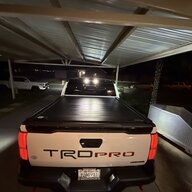
I just completed a aluminum truck-cap installation on my 4th Gen Toyota Tacoma Trailhunter with the 6-foot bed.
This was more involved than a basic bolt-on modification. The cap has to be fully assembled and aligned before tightening, followed by the bottom rubber seal, silicone around the specified interior roof hardware, and exterior seam sealing using Mylar tape as a guide and protection. After that, I cleaned the Tacoma’s bed rails, positioned and mounted the cap, routed the wiring, adjusted the doors, checked tailgate clearance, and performed a complete water test.
I also put it through a controlled water test, a car-wash test, real rain/thunderstorm conditions when available, and a real-world demonstration in Sleepy Creek Wildlife Management Area near Hedgesville to check noise, rattles, visibility, gear access, lighting, dust, and everyday usability.
Watch the full review, installation, and water test here:
For those already running a cap or topper, what has been your biggest benefit—and what would you change about your setup?
This was more involved than a basic bolt-on modification. The cap has to be fully assembled and aligned before tightening, followed by the bottom rubber seal, silicone around the specified interior roof hardware, and exterior seam sealing using Mylar tape as a guide and protection. After that, I cleaned the Tacoma’s bed rails, positioned and mounted the cap, routed the wiring, adjusted the doors, checked tailgate clearance, and performed a complete water test.
I also put it through a controlled water test, a car-wash test, real rain/thunderstorm conditions when available, and a real-world demonstration in Sleepy Creek Wildlife Management Area near Hedgesville to check noise, rattles, visibility, gear access, lighting, dust, and everyday usability.
Watch the full review, installation, and water test here:
For those already running a cap or topper, what has been your biggest benefit—and what would you change about your setup?
Sponsored