
- Thread starter
- #1
I have owned a 4th gen for a few months now and have been perusing the forums since they began. I've noticed quite a few people complain about vibrations in 4H, myself included. During the winter storm we got in January here in TX, I drove about 60 miles in 4H and it was quite an uncomfortable drive as I could feel the front driveshaft vibrating the entire way. Probably not ideal for bearings.
I initially chalked it up to Toyota maybe being lazy on the design of the front driveshaft angles, and deciding that with the ADD disconnecting things in 2WD, maybe they just don't care enough to solve the vibes since people live in 2WD most of the time.
I am in the midst of prepping for a regear, once 5.29 gears become available. Part of that is collecting differentials. I am contemplating a locker and thought it would be cool to delete the ADD at the same time, making for a more robust "fully live" front diff when the work is all said and done. However, because of the driveshaft vibrations, I can't really do that. Locking hub kits don't exist for this truck, so we're sort of stuck with the ADD.
Until....I climbed under the truck this evening to look at something else and noticed the front driveshaft was built out of phase.

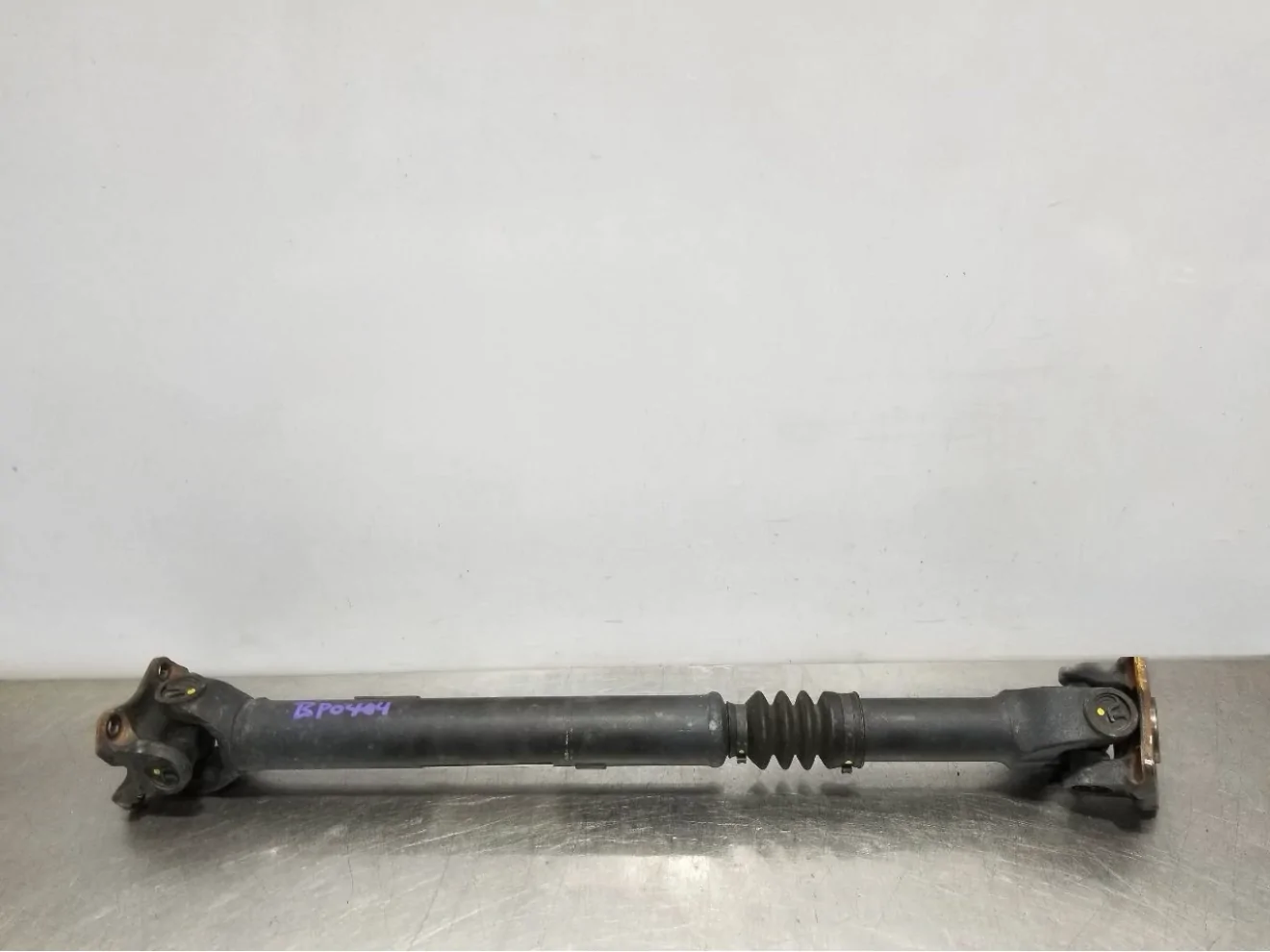
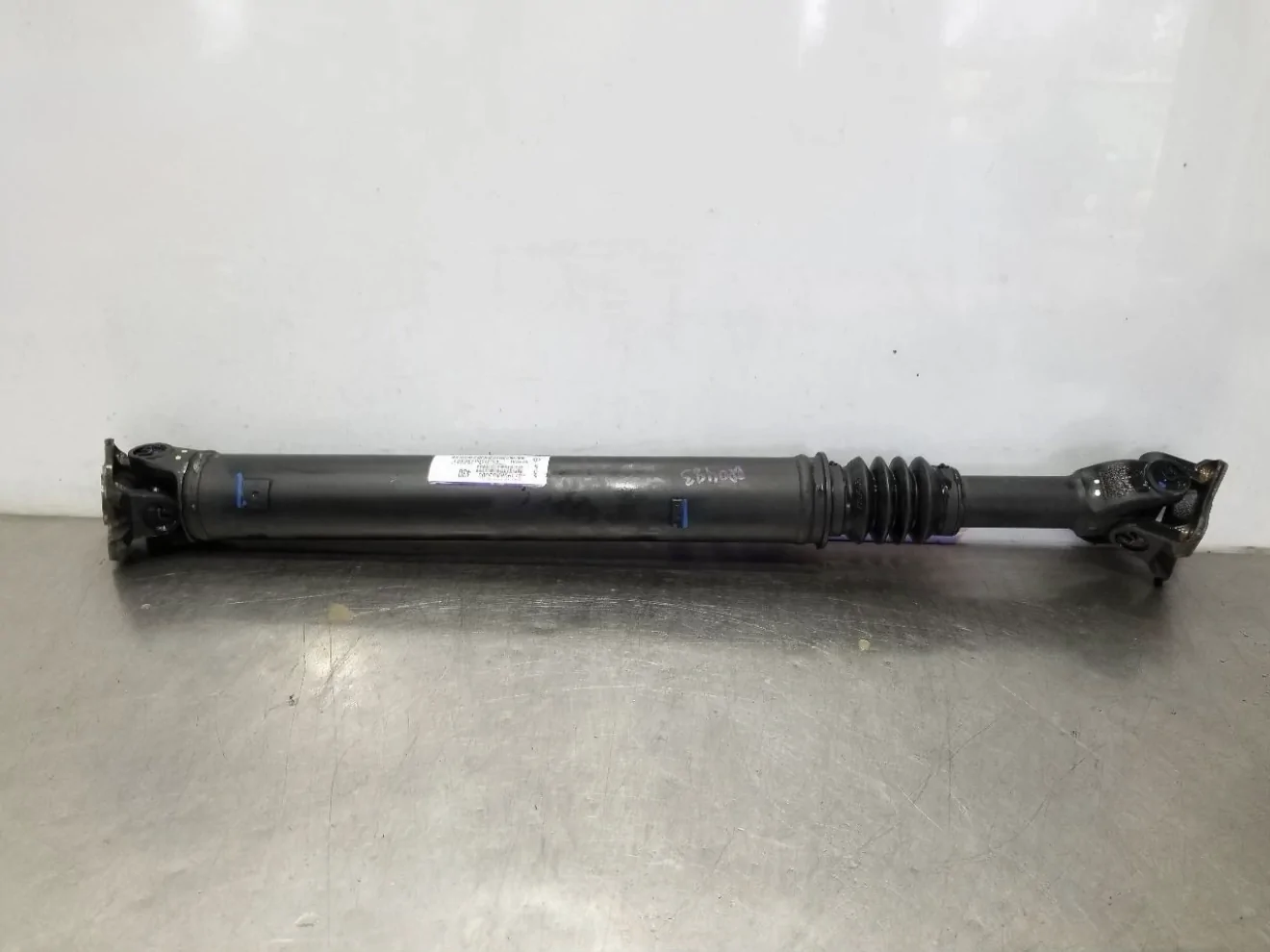
For those who aren't aware, typically a standard 2-joint driveshaft has the two u-joints lined up so that they cancel each other out. this driveshaft is not that way, as you can see one photo has the u-joint basically perfectly flat (second photo) and the first photo the u-joint is rotated about 45 degrees.
This immediately piqued my curiosity, so I started looking at driveshafts on eBay. To my dismay, they are all like this! Even the hybrid trucks with the longer & beefier driveshaft (different looking design) have the same phasing mismatch. I have never seen anything like this. I cannot think of one reason why they would intentionally build them this way.
Here are some photos:
2024+ Tacoma non-hybrid

2024+ Tacoma Hybrid
2005-2015 V6 Auto & 2016-2023 V6 Manual
Notice how the 2024+ driveshafts have one u-joint sitting flat on the floor/table while the other one is rotated some? That is what I'm talking about. Notice how the 2005-2023 driveshaft has both u-joints sitting flat on the surface. That is how a 2-joint shaft is traditionally built.
So what say the rest of you? Is this why we have vibrations in 4WD? Can anyone smarter than me tell me why in the world Toyota would intentionally build 100,000-200,000 driveshafts per model year out of phase? Am I missing something? I have no doubt it's intentional since they are all like that, but....why? They didn't do that before on the previous generations. Did they incorrectly spec something that they just haven't discovered yet?
I did take a measurement of our front driveshaft (non-hybrid) and got a measurement of just under 29.5", which just about matches the 29.375" length of the 2005-2015 V6 auto and 2016-2023 V6 manual driveshaft shown above. I am tempted to try purchasing and installing one of those driveshafts and see what happens with vibrations. I am hopeful I can get it to where the front driveshaft can spin all the time with no issues. Currently, with the vibrations I get, it cannot.
Curious what the rest of you think.
I initially chalked it up to Toyota maybe being lazy on the design of the front driveshaft angles, and deciding that with the ADD disconnecting things in 2WD, maybe they just don't care enough to solve the vibes since people live in 2WD most of the time.
I am in the midst of prepping for a regear, once 5.29 gears become available. Part of that is collecting differentials. I am contemplating a locker and thought it would be cool to delete the ADD at the same time, making for a more robust "fully live" front diff when the work is all said and done. However, because of the driveshaft vibrations, I can't really do that. Locking hub kits don't exist for this truck, so we're sort of stuck with the ADD.
Until....I climbed under the truck this evening to look at something else and noticed the front driveshaft was built out of phase.
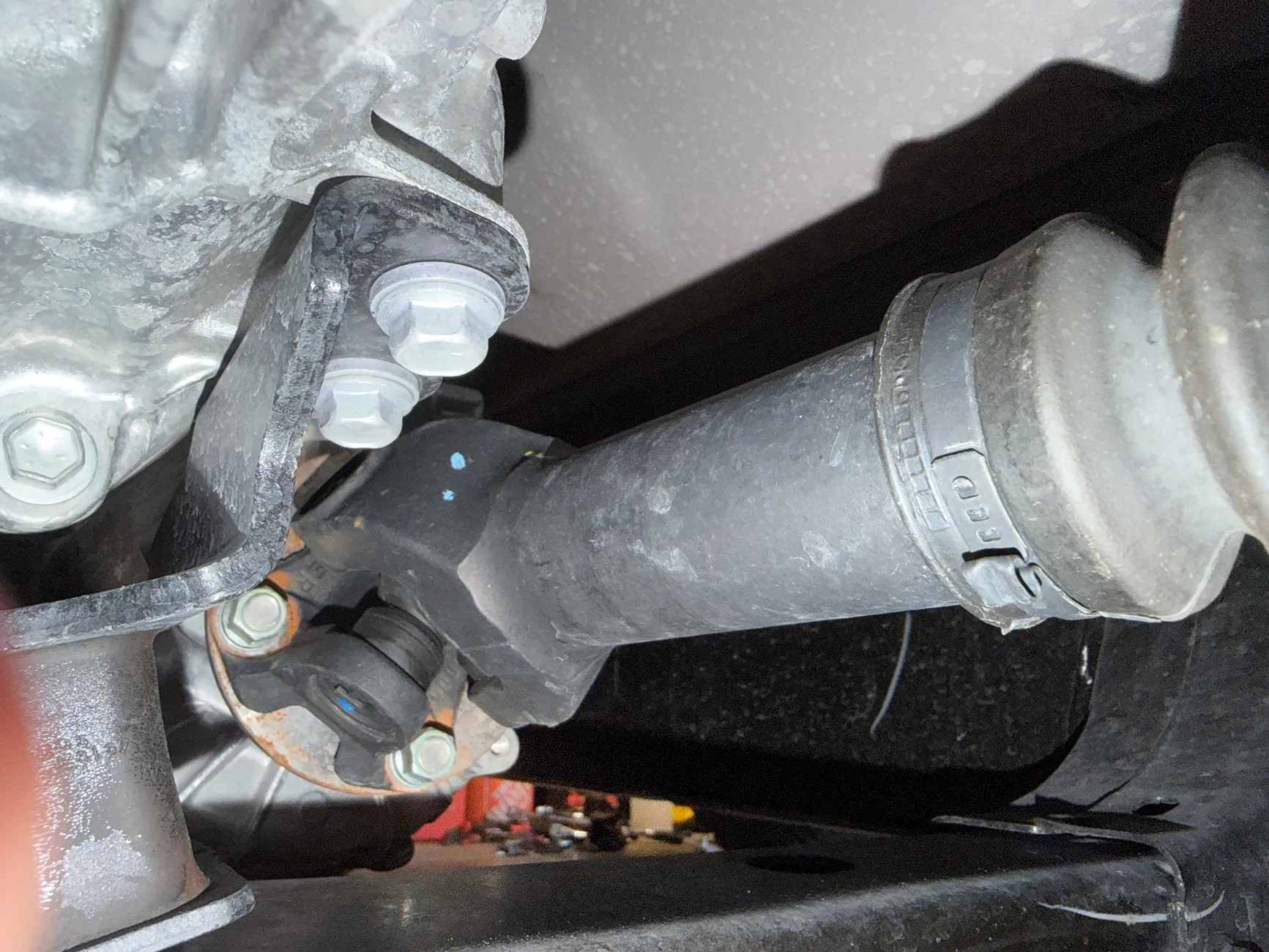
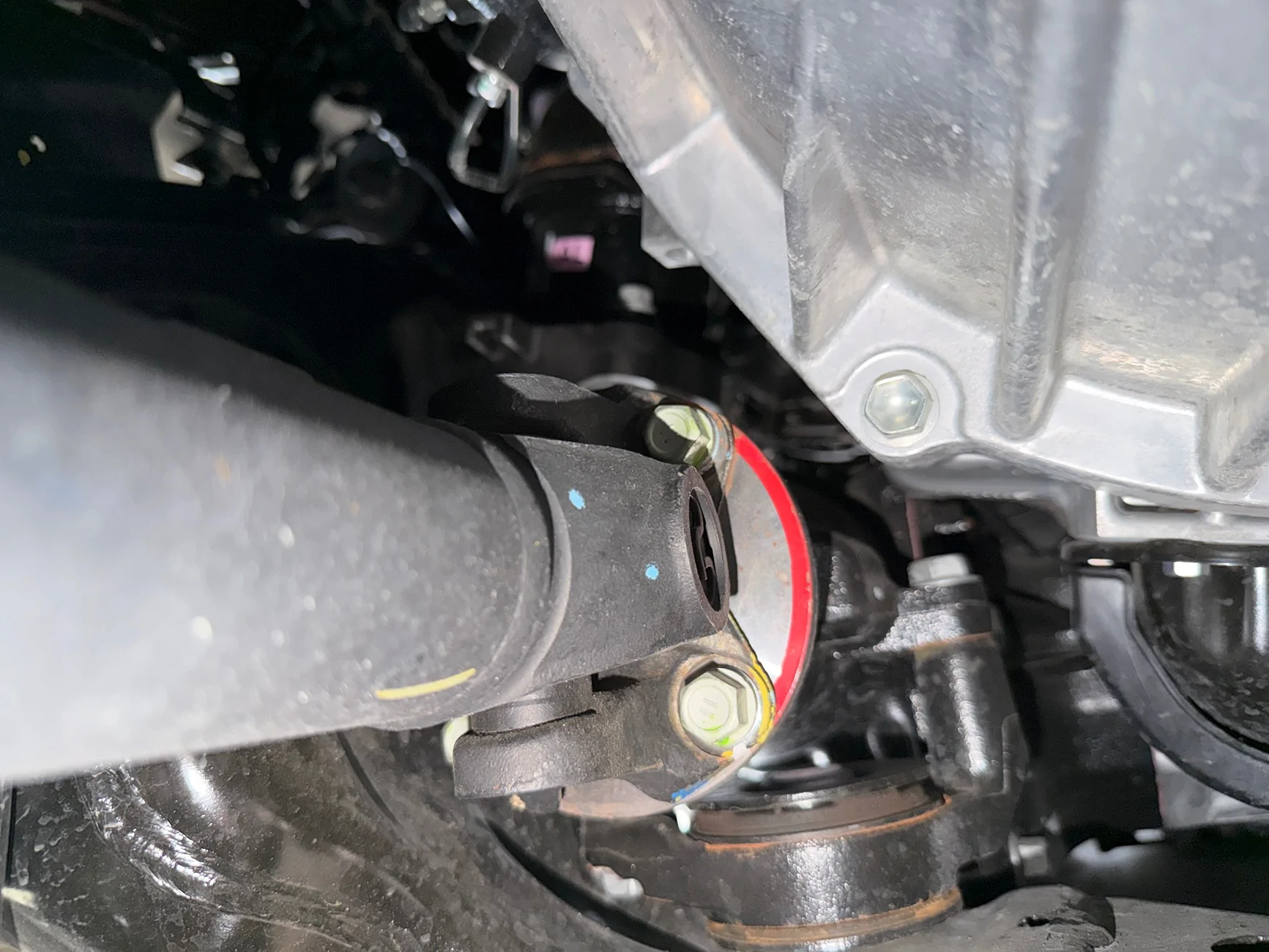
For those who aren't aware, typically a standard 2-joint driveshaft has the two u-joints lined up so that they cancel each other out. this driveshaft is not that way, as you can see one photo has the u-joint basically perfectly flat (second photo) and the first photo the u-joint is rotated about 45 degrees.
This immediately piqued my curiosity, so I started looking at driveshafts on eBay. To my dismay, they are all like this! Even the hybrid trucks with the longer & beefier driveshaft (different looking design) have the same phasing mismatch. I have never seen anything like this. I cannot think of one reason why they would intentionally build them this way.
Here are some photos:
2024+ Tacoma non-hybrid
2024+ Tacoma Hybrid
2005-2015 V6 Auto & 2016-2023 V6 Manual
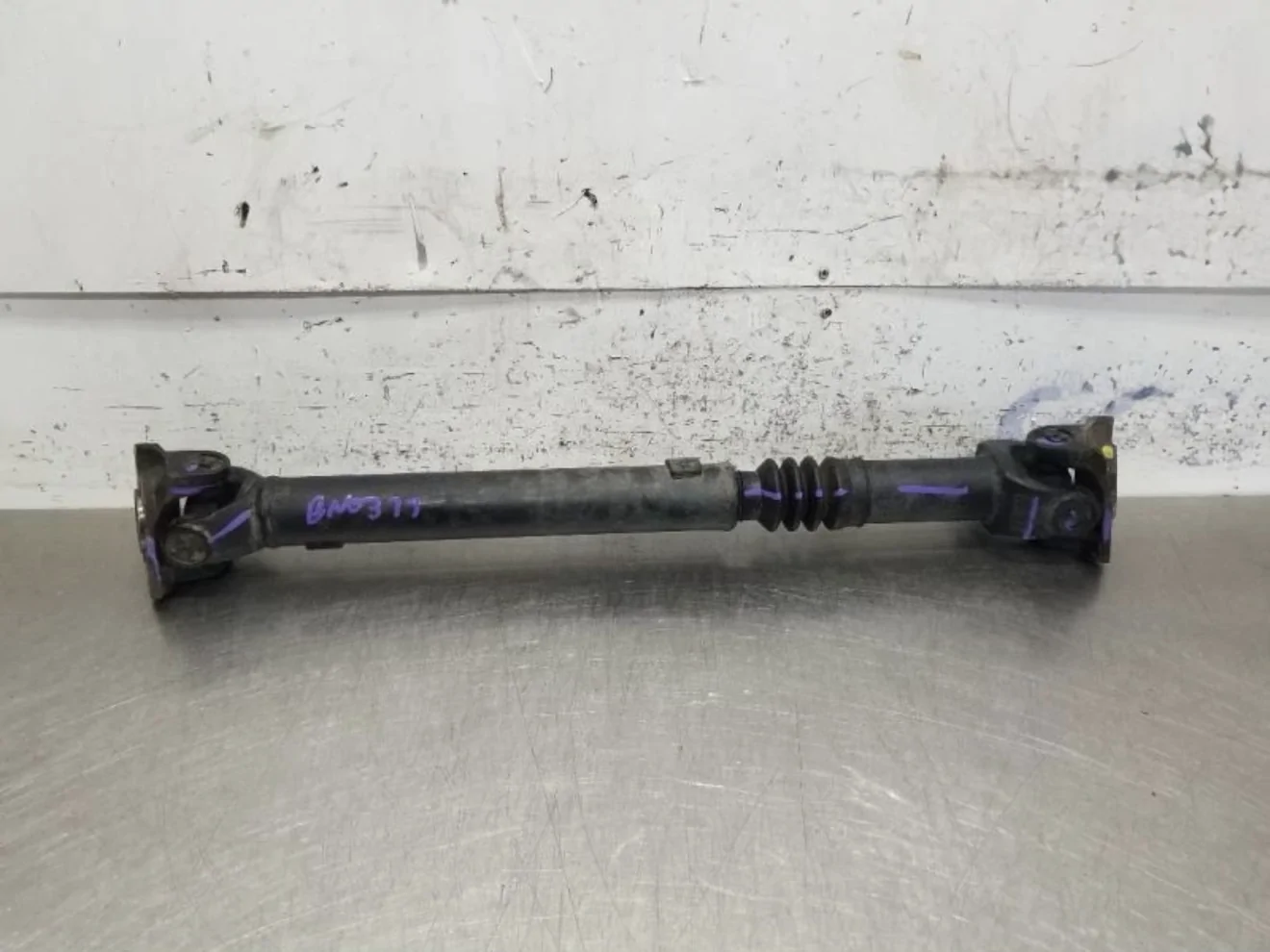
Notice how the 2024+ driveshafts have one u-joint sitting flat on the floor/table while the other one is rotated some? That is what I'm talking about. Notice how the 2005-2023 driveshaft has both u-joints sitting flat on the surface. That is how a 2-joint shaft is traditionally built.
So what say the rest of you? Is this why we have vibrations in 4WD? Can anyone smarter than me tell me why in the world Toyota would intentionally build 100,000-200,000 driveshafts per model year out of phase? Am I missing something? I have no doubt it's intentional since they are all like that, but....why? They didn't do that before on the previous generations. Did they incorrectly spec something that they just haven't discovered yet?
I did take a measurement of our front driveshaft (non-hybrid) and got a measurement of just under 29.5", which just about matches the 29.375" length of the 2005-2015 V6 auto and 2016-2023 V6 manual driveshaft shown above. I am tempted to try purchasing and installing one of those driveshafts and see what happens with vibrations. I am hopeful I can get it to where the front driveshaft can spin all the time with no issues. Currently, with the vibrations I get, it cannot.
Curious what the rest of you think.
Sponsored
Last edited: