

You’re missing my point.You're not really contributing. Everything so far from you has been:
- don't question the engineers
- use whatever the manual says
- warranty concerns, warranty concerns, warranty concerns
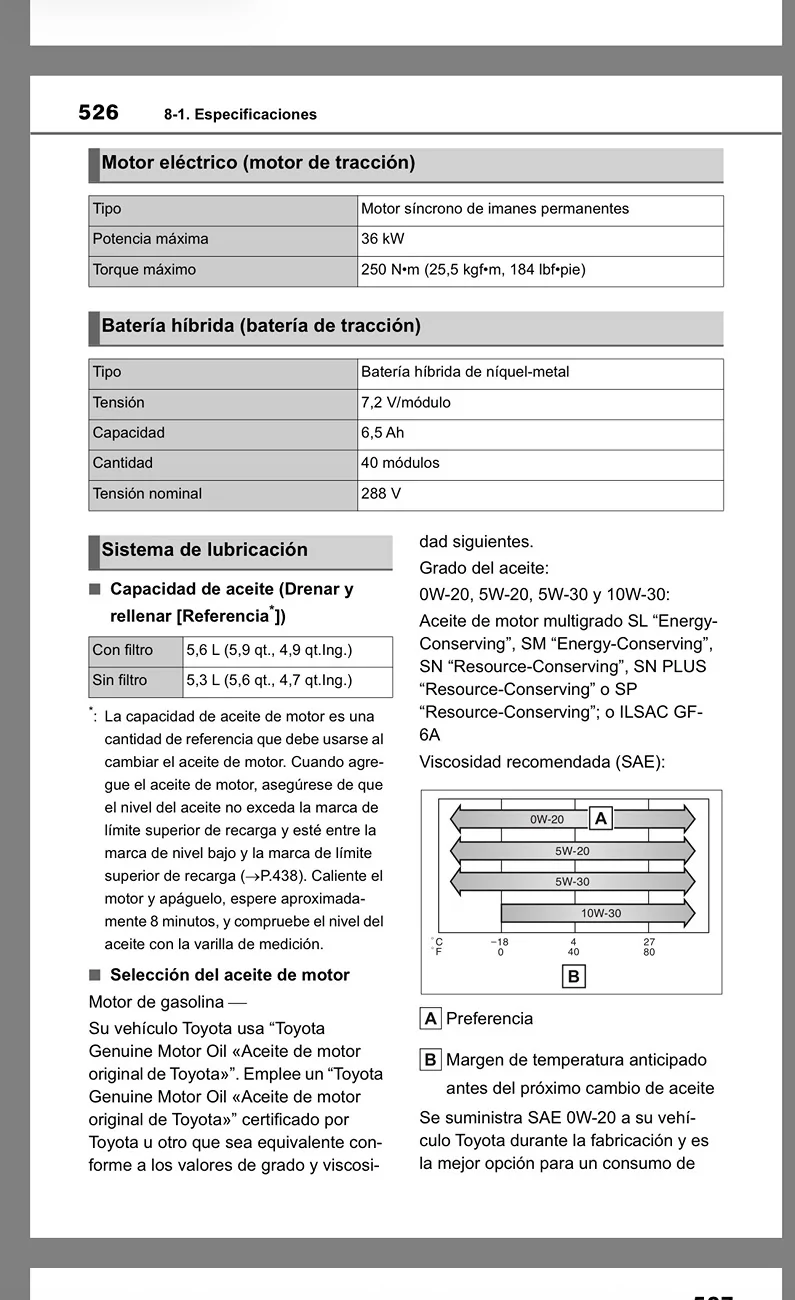
- if you're going to make a change, prove its benefit....yet when someone proves a measured downside of 0W-20 (excessive wear on an analysis), that gets chalked up to being inconclusive because of too many variables. OK - so if I did two oil analyses, one on 0W-20, and one on 5W-30 or 5W-40 and clearly proved less wear, would that be good enough? Or still too many variables and I should still just do what the manual says? Do you see the problem with the arguments here?
We have gone full circle here - exactly what useful contributions is anyone supposed to draw from any of these points?
I’m not saying don’t question anything—I’m saying understand the limits of what you’re using as “proof.”
An oil analysis or two is not controlled testing. There are too many variables: driving style, load, temps, fuel dilution, engine variance, sampling differences, etc. You can’t isolate viscosity as the sole cause of wear from that.
The manufacturers, on the other hand, run thousands of hours of controlled testing across all kinds of conditions. That’s what the manual is based on.
Could you run 5W-30 and be fine? Probably.
Can you prove it’s better with a couple oil reports? No.
So the practical takeaway is simple:
- If you want zero risk → follow the manual
- If you want to experiment → that’s your call, just own the risk
That’s not “adding nothing”—that’s keeping the discussion grounded in reality.
Sponsored