
- Thread starter
- #1
Every few weeks the same advice appears on Tacoma forums and Facebook groups: “If you’re getting a flash tune, you don’t need a throttle controller.”
On the surface, that sounds logical. After all, many tuners modify accelerator pedal sensitivity as part of their calibration. But that statement overlooks one very important fact: A flash tune and a Banks PedalMonster solve two different problems. Understanding the difference helps you make better decisions about your truck, and gives you more control over how it drives every day.
First, Let’s Define What Each Product Actually Does
A flash tune (OTT, COBB, or any similar firmware calibration change) rewrites portions of the factory calibration stored inside the Engine Control Module (ECM).
Depending on the tuner, a calibration may alter:
• Fuel delivery
• Ignition timing
• Boost control
• Torque management
• Transmission shift scheduling
• Rev limits
• Speed governors
• Accelerator pedal mapping
Once those changes are written into the ECM, they remain there until another calibration is flashed into the vehicle. Think of it as permanently editing the operating system for the truck.
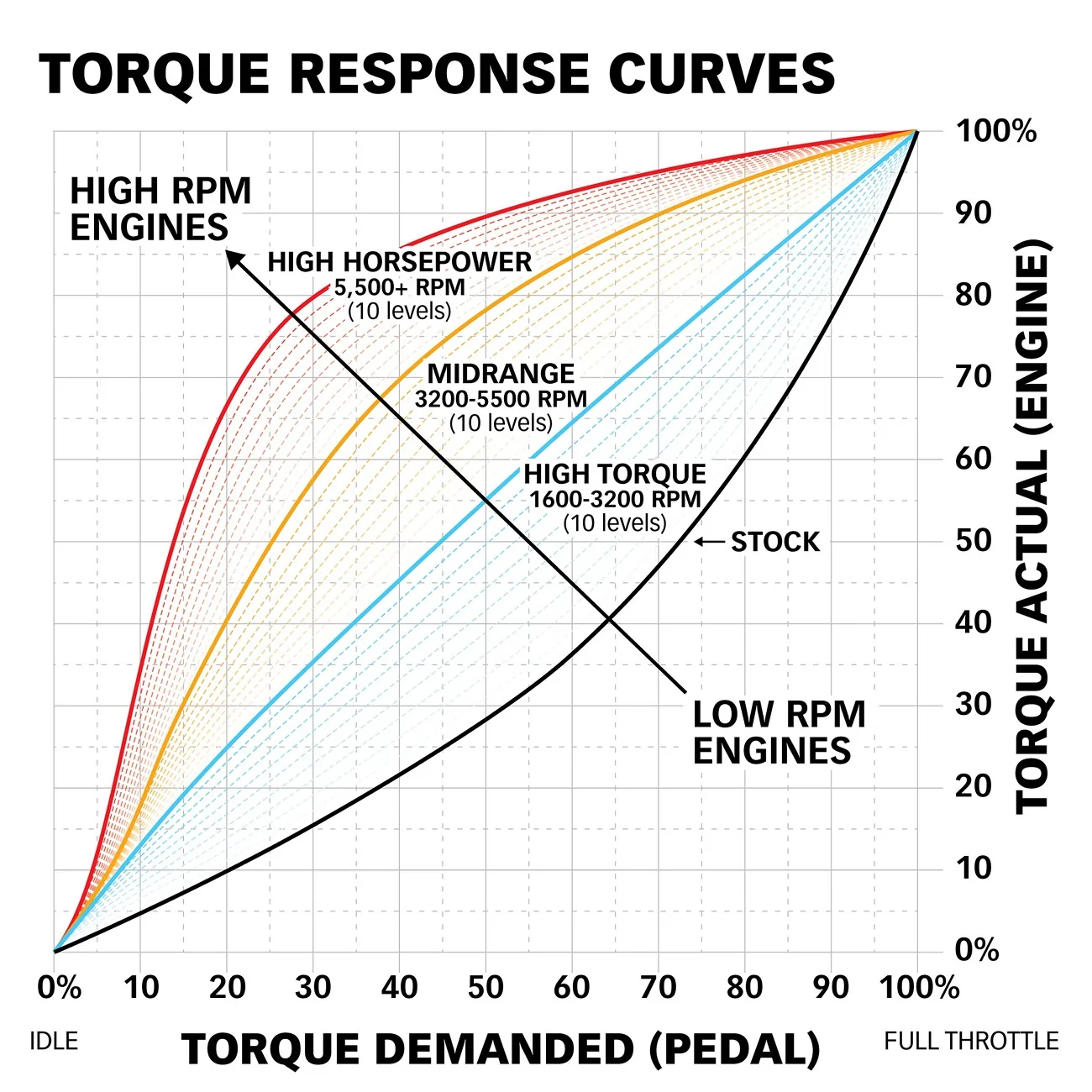
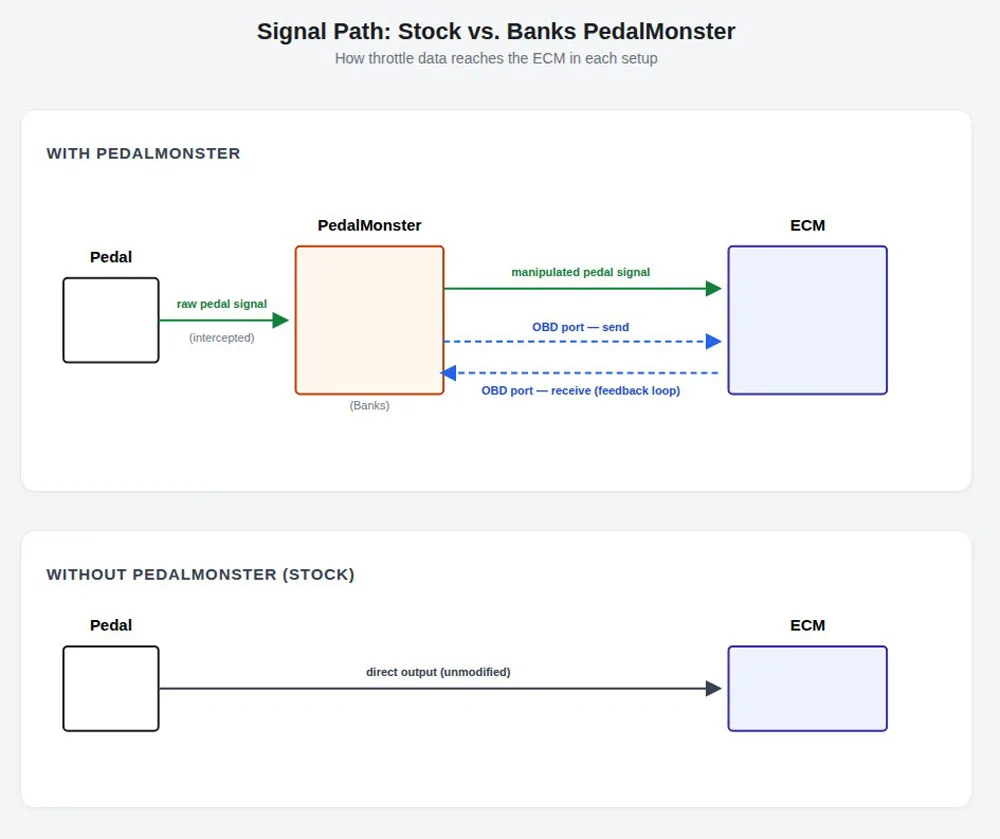
PedalMonster doesn’t modify the ECM. Instead, it intercepts the accelerator pedal signal before it reaches the ECM. Rather than rewriting factory software, it changes how pedal movement is interpreted in real time. That means the ECM still controls the engine exactly as intended. PedalMonster simply changes the driver’s torque request before the ECM receives it. Think of it as adjusting how quickly the driver asks the engine for torque, not changing how the engine makes torque.
A Simple Analogy
Imagine your home stereo. A flash tune is like opening the amplifier and permanently changing the electronics inside. PedalMonster is like replacing the volume knob with one that gives you much finer control over how quickly the volume increases. And, you change the knob whenever you like, as you're driving. Both affect the listening experience. They simply work in completely different ways.
The Problem with Permanent Pedal Mapping
Many tuners choose to increase pedal sensitivity. That’s understandable. Customers often associate a more aggressive pedal with a more powerful vehicle.
The problem is that once pedal mapping is built into the calibration… you’re stuck with it. Whether you’re backing into a parking space, towing a trailer, crawling over rocks, driving in traffic, or letting someone else borrow your truck, the accelerator behaves the same way.
The tuner made that decision once. You live with it every day afterward.
Why PedalMonster Is Different
PedalMonster allows the driver, not the tuner, to decide how the accelerator behaves. With thirty selectable response levels, the driver can adjust the truck to match the situation. One setting does not have to fit every driving condition.

The Advantage of Real-Time Intelligence
Here’s where Banks takes a completely different engineering approach. Most throttle controllers simply modify the pedal signal. PedalMonster goes much further.
Through true two-way real-time communication over your Tacoma's diagnostic bus (OBD network), PedalMonster continuously exchanges information with the vehicle. Rather than blindly modifying the pedal signal like all other throttle controllers, PedalMonster knows important operating conditions including vehicle year, make, model, engine size, speed, gear selection, trans type and more. That information allows PedalMonster to make decisions that ordinary throttle controllers, and even permanent pedal mapping inside many flash tunes can't.

Launch Trim
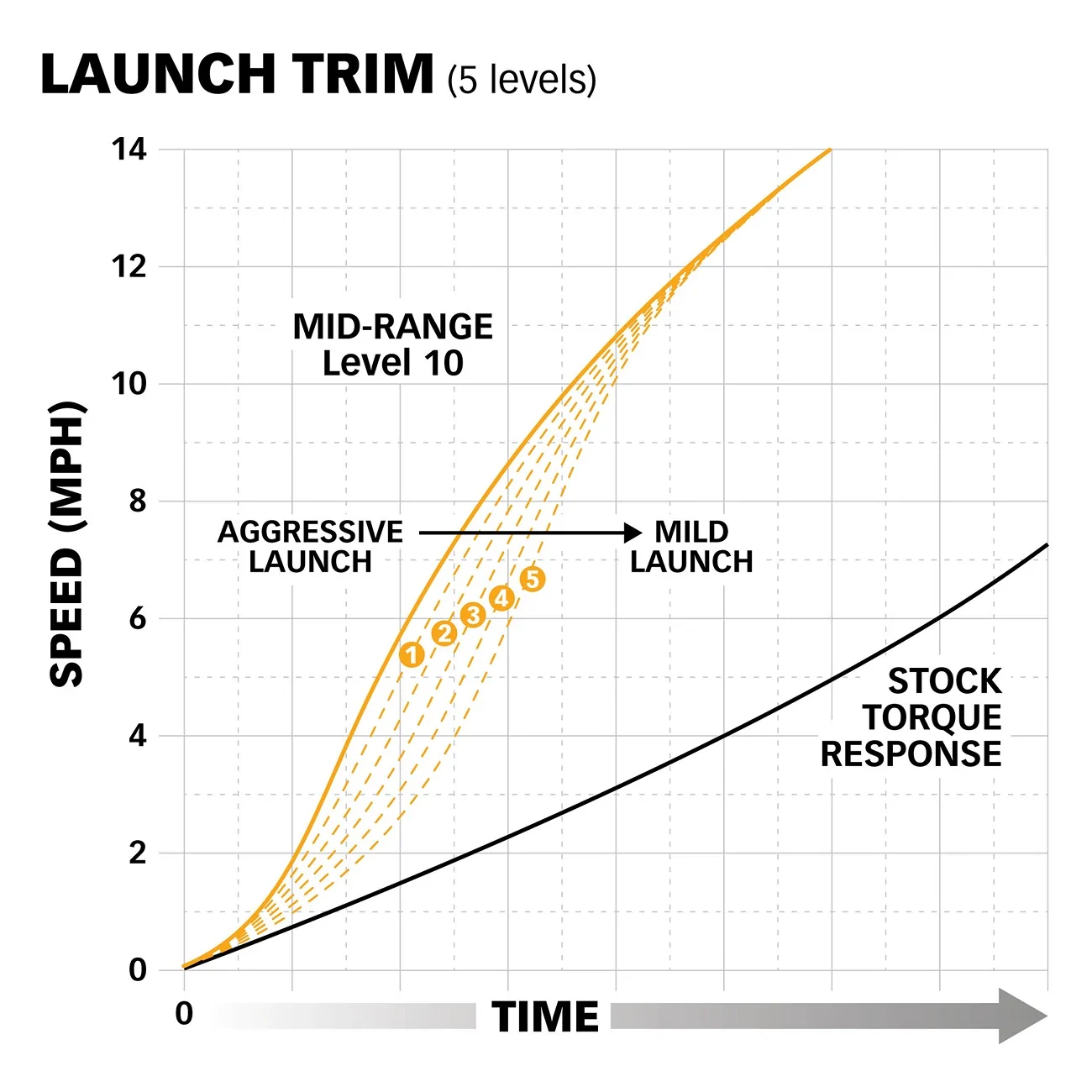
For example, many drivers want sharper pedal response… just not while pulling away from a stop. PedalMonster’s exclusive Launch Trim feature allows the driver to delay increased pedal sensitivity until a user-selected vehicle speed (such as 10 mph). The truck remains smooth and easy to launch. Then the additional response comes in automatically. A flash tune can't provide this kind of on-the-fly behavior because its pedal mapping is fixed inside the ECM.
Reverse Safety
PedalMonster automatically returns the accelerator to stock behavior whenever Reverse is selected. The last thing most drivers want is an overly aggressive accelerator when backing up a trailer.
Should Your Tuner Modify the Pedal?
Probably not. Let the flash tune focus on what flash tuning does best:
• optimizing engine performance
• transmission behavior
• fuel delivery
• boost
• ignition timing
• torque management
Leave the accelerator mapping stock. Then let PedalMonster give the driver complete control over torque response whenever they want it.
A Note to Professional Tuners
This isn’t an argument against flash tuning. It’s an argument for specialization. Your calibration already delivers the power, drivability, and transmission behavior your customer expects. PedalMonster gives your customer something your flash tune can't: Real-time, driver-adjustable torque response.
Rather than permanently committing customers to one pedal map, you can leave the factory pedal calibration intact and allow the customer to tailor accelerator response whenever driving conditions change.
It also creates an additional premium product you can offer your customers without changing your calibration strategy. Everyone benefits. Email our wholesale team at [email protected].
Comparison
Final Thoughts
Flash tuning and PedalMonster are often discussed as though they compete with one another. In reality, they operate in completely different parts of the vehicle.
One changes the calibration inside the ECM. The other gives the driver intelligent, real-time control over how torque is requested. Understanding that distinction makes it easier to build a truck that’s more enjoyable to drive and more adaptable to every driving situation.
Real world review
On the surface, that sounds logical. After all, many tuners modify accelerator pedal sensitivity as part of their calibration. But that statement overlooks one very important fact: A flash tune and a Banks PedalMonster solve two different problems. Understanding the difference helps you make better decisions about your truck, and gives you more control over how it drives every day.
First, Let’s Define What Each Product Actually Does
A flash tune (OTT, COBB, or any similar firmware calibration change) rewrites portions of the factory calibration stored inside the Engine Control Module (ECM).
Depending on the tuner, a calibration may alter:
• Fuel delivery
• Ignition timing
• Boost control
• Torque management
• Transmission shift scheduling
• Rev limits
• Speed governors
• Accelerator pedal mapping
Once those changes are written into the ECM, they remain there until another calibration is flashed into the vehicle. Think of it as permanently editing the operating system for the truck.
PedalMonster doesn’t modify the ECM. Instead, it intercepts the accelerator pedal signal before it reaches the ECM. Rather than rewriting factory software, it changes how pedal movement is interpreted in real time. That means the ECM still controls the engine exactly as intended. PedalMonster simply changes the driver’s torque request before the ECM receives it. Think of it as adjusting how quickly the driver asks the engine for torque, not changing how the engine makes torque.
A Simple Analogy
Imagine your home stereo. A flash tune is like opening the amplifier and permanently changing the electronics inside. PedalMonster is like replacing the volume knob with one that gives you much finer control over how quickly the volume increases. And, you change the knob whenever you like, as you're driving. Both affect the listening experience. They simply work in completely different ways.
The Problem with Permanent Pedal Mapping
Many tuners choose to increase pedal sensitivity. That’s understandable. Customers often associate a more aggressive pedal with a more powerful vehicle.
The problem is that once pedal mapping is built into the calibration… you’re stuck with it. Whether you’re backing into a parking space, towing a trailer, crawling over rocks, driving in traffic, or letting someone else borrow your truck, the accelerator behaves the same way.
The tuner made that decision once. You live with it every day afterward.
Why PedalMonster Is Different
PedalMonster allows the driver, not the tuner, to decide how the accelerator behaves. With thirty selectable response levels, the driver can adjust the truck to match the situation. One setting does not have to fit every driving condition.
The Advantage of Real-Time Intelligence
Here’s where Banks takes a completely different engineering approach. Most throttle controllers simply modify the pedal signal. PedalMonster goes much further.
Through true two-way real-time communication over your Tacoma's diagnostic bus (OBD network), PedalMonster continuously exchanges information with the vehicle. Rather than blindly modifying the pedal signal like all other throttle controllers, PedalMonster knows important operating conditions including vehicle year, make, model, engine size, speed, gear selection, trans type and more. That information allows PedalMonster to make decisions that ordinary throttle controllers, and even permanent pedal mapping inside many flash tunes can't.
Launch Trim
For example, many drivers want sharper pedal response… just not while pulling away from a stop. PedalMonster’s exclusive Launch Trim feature allows the driver to delay increased pedal sensitivity until a user-selected vehicle speed (such as 10 mph). The truck remains smooth and easy to launch. Then the additional response comes in automatically. A flash tune can't provide this kind of on-the-fly behavior because its pedal mapping is fixed inside the ECM.
Reverse Safety
PedalMonster automatically returns the accelerator to stock behavior whenever Reverse is selected. The last thing most drivers want is an overly aggressive accelerator when backing up a trailer.
Should Your Tuner Modify the Pedal?
Probably not. Let the flash tune focus on what flash tuning does best:
• optimizing engine performance
• transmission behavior
• fuel delivery
• boost
• ignition timing
• torque management
Leave the accelerator mapping stock. Then let PedalMonster give the driver complete control over torque response whenever they want it.
A Note to Professional Tuners
This isn’t an argument against flash tuning. It’s an argument for specialization. Your calibration already delivers the power, drivability, and transmission behavior your customer expects. PedalMonster gives your customer something your flash tune can't: Real-time, driver-adjustable torque response.
Rather than permanently committing customers to one pedal map, you can leave the factory pedal calibration intact and allow the customer to tailor accelerator response whenever driving conditions change.
It also creates an additional premium product you can offer your customers without changing your calibration strategy. Everyone benefits. Email our wholesale team at [email protected].
Comparison
Feature | Flash Tune | Banks PedalMonster |
| Changes ECM calibration | Yes | No |
| Alters fuel/timing/boost | Yes | No |
| Changes transmission behavior | Yes | No |
| Adjustable after installation | Requires reflashing | Yes. Instantly |
| Multiple driver-selectable response levels | Usually No | Yes. 30 Levels |
| Launch Trim™ | No | Yes |
| Reverse Safety | No | Yes |
| Uses live vehicle speed and gear information | Limited to calibration logic | Yes, True two-way OBD-II communication |
| Easily returned to factory behavior | Requires reflashing | Yes, Instant |
| May void factory warranty | Yes | No. Easily removable |
Final Thoughts
Flash tuning and PedalMonster are often discussed as though they compete with one another. In reality, they operate in completely different parts of the vehicle.
One changes the calibration inside the ECM. The other gives the driver intelligent, real-time control over how torque is requested. Understanding that distinction makes it easier to build a truck that’s more enjoyable to drive and more adaptable to every driving situation.
Real world review
Sponsored
Last edited: