
Sponsored
2025 TRD Pro Mud Bath Build Thread - @mudbathmania IG
- Thread starter Big Dawgs Toyota Tuning
- Start date
- Watchers 15

OP
OP

- First Name
- Quez
- Joined
- Sep 25, 2024
- Threads
- 19
- Messages
- 153
- Reaction score
- 252
- Location
- Nashville
- Website
- www.bigdawgstoyotatuning.com
- Vehicle(s)
- 2025 TRD Pro, 2025 TRD Pro 4Runner
- Thread starter
- #32
No idea honestly. I haven't bothered to look. I could care less about mpg's - I drive the truck and have to fuel up either way so I just stop when I need to.Let me guess. Your getting MB AMG G63 V8 fuel efficiency now?

OP
OP
- First Name
- Quez
- Joined
- Sep 25, 2024
- Threads
- 19
- Messages
- 153
- Reaction score
- 252
- Location
- Nashville
- Website
- www.bigdawgstoyotatuning.com
- Vehicle(s)
- 2025 TRD Pro, 2025 TRD Pro 4Runner
- Thread starter
- #33
Finally got the 40% portion of my rear seat delete in from Goose Gear. Honestly 6/10 product. If i had to do it again, I would just make my own. They have a great product but I do have a couple of complaints.
1. Their instructions are as good as hotdog water.
2. For a premium product like this, I'd expect it to show up in pristine condition. Pictured below is slight damage to the product. Doesn't make it any less functional, but is is annoying that it came like that.
3. I feel like they waste so much space in the cab keeping the delete so high off of section underneath it. I understand there's a battery and other components down there but if the seats are on, there is far less room above the battery and it's sealed the same - if not tighter.
I will probably go on to modify it and bring the top plate down some in the future. That's a project for another day though.

OP
OP
- First Name
- Quez
- Joined
- Sep 25, 2024
- Threads
- 19
- Messages
- 153
- Reaction score
- 252
- Location
- Nashville
- Website
- www.bigdawgstoyotatuning.com
- Vehicle(s)
- 2025 TRD Pro, 2025 TRD Pro 4Runner
- Thread starter
- #34
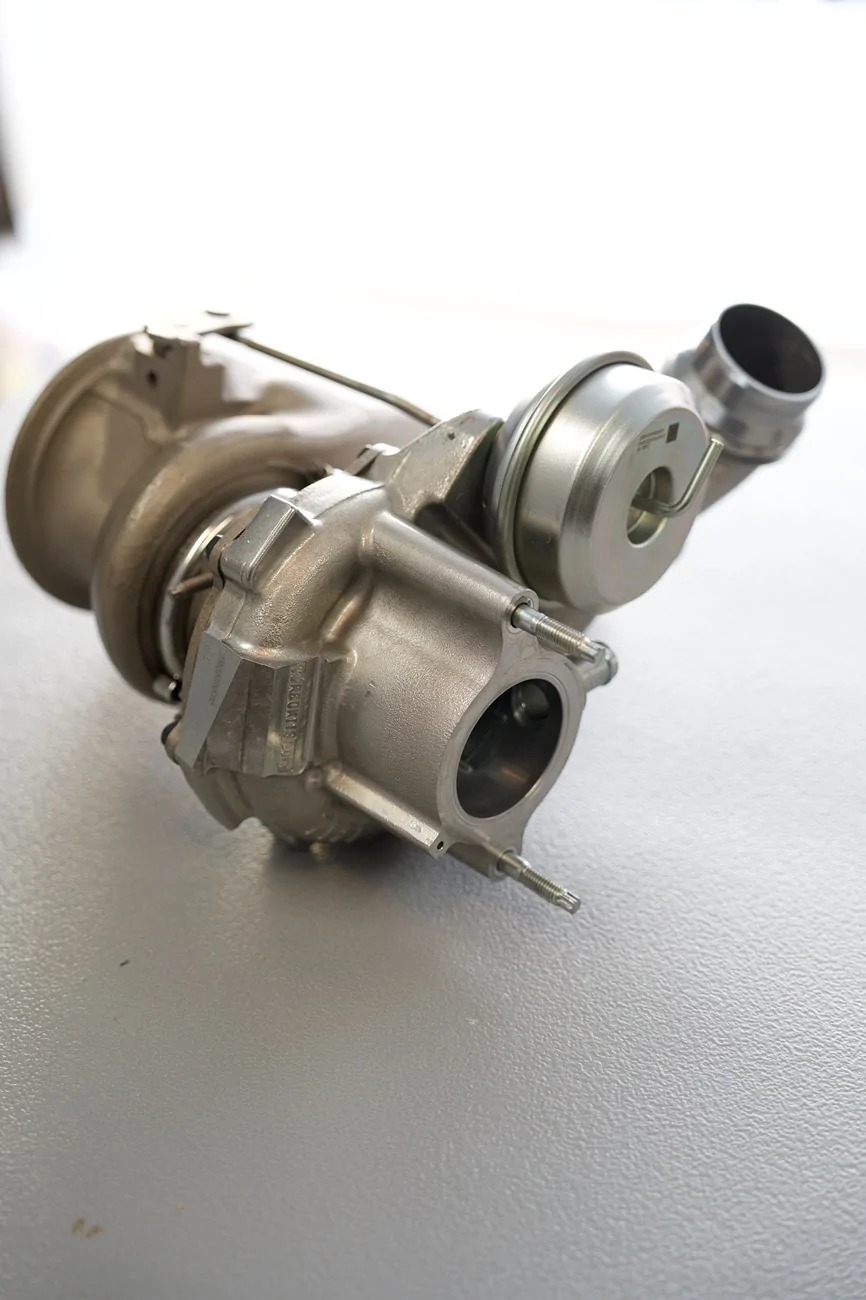
Got our upgraded turbo in today from bigdawgstoyotatuningshop.com
You can check the write up i did on it here.

You can check the write up i did on it here.
Last edited:
OP
OP
- First Name
- Quez
- Joined
- Sep 25, 2024
- Threads
- 19
- Messages
- 153
- Reaction score
- 252
- Location
- Nashville
- Website
- www.bigdawgstoyotatuning.com
- Vehicle(s)
- 2025 TRD Pro, 2025 TRD Pro 4Runner
- Thread starter
- #35
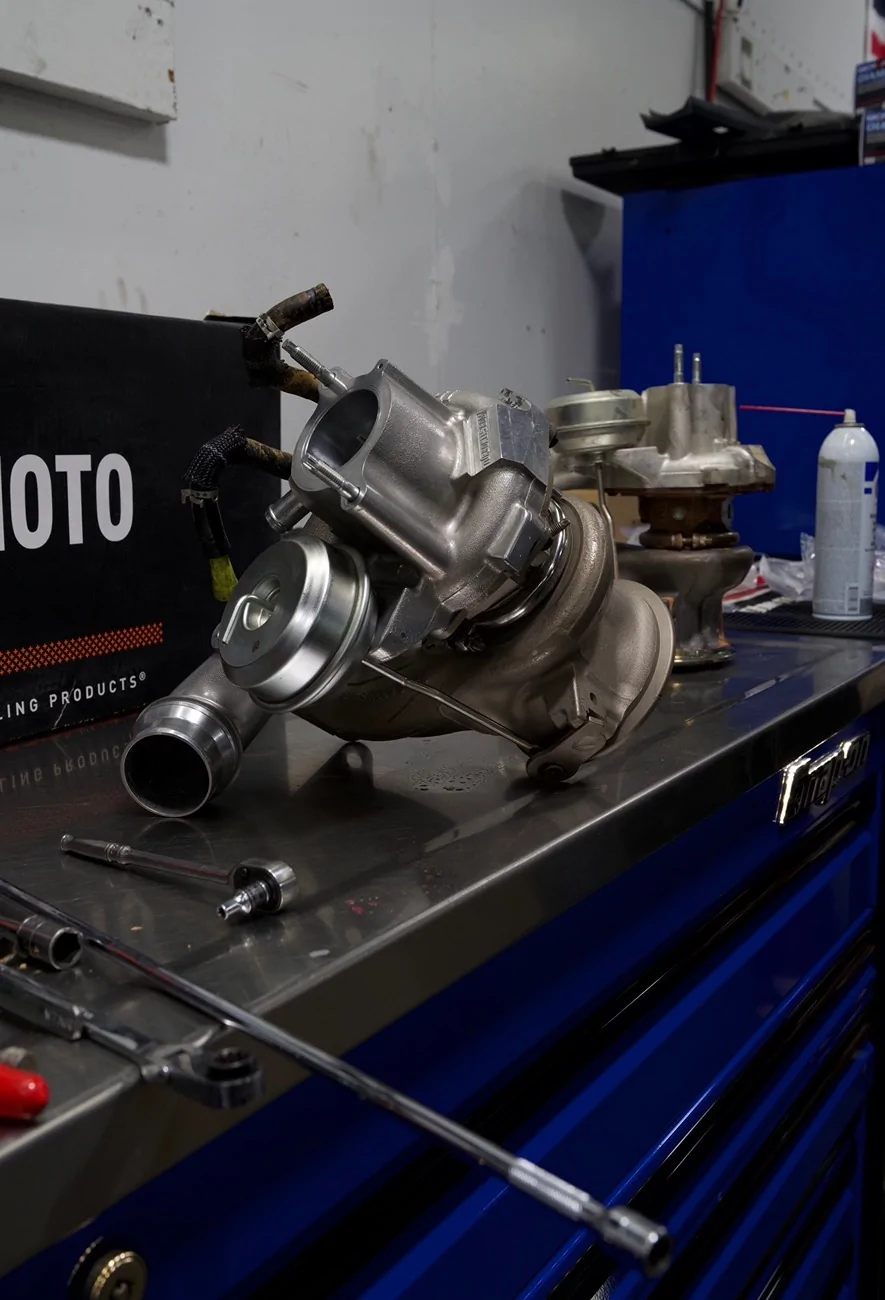
It’s been awhile, but here we are 
Upgraded turbo is officially in.
I had it installed yesterday, hit the road, and noticed a coolant leak on the way home.
Said fuck it when I got home and pulled it back out myself.
Got it out and replaced all the gaskets, reinstalled it. Took a test drive, still leaking.
At this point I’m like wtf because this isn’t one of those install you can put in halfway and see if it’s gtg.
Finally narrowed it down to bad hoses or failing clamps, so tomorrow I’m replacing both hoses and all four clamps.
Let’s be real though, no build is ever just a turbo install & calling it a day.
Gotta love the process and the knowledge you earn the hard way.
More to come. Enjoy the sneak peek for now.


Upgraded turbo is officially in.
I had it installed yesterday, hit the road, and noticed a coolant leak on the way home.
Said fuck it when I got home and pulled it back out myself.
Got it out and replaced all the gaskets, reinstalled it. Took a test drive, still leaking.
At this point I’m like wtf because this isn’t one of those install you can put in halfway and see if it’s gtg.
Finally narrowed it down to bad hoses or failing clamps, so tomorrow I’m replacing both hoses and all four clamps.
Let’s be real though, no build is ever just a turbo install & calling it a day.
Gotta love the process and the knowledge you earn the hard way.
More to come. Enjoy the sneak peek for now.
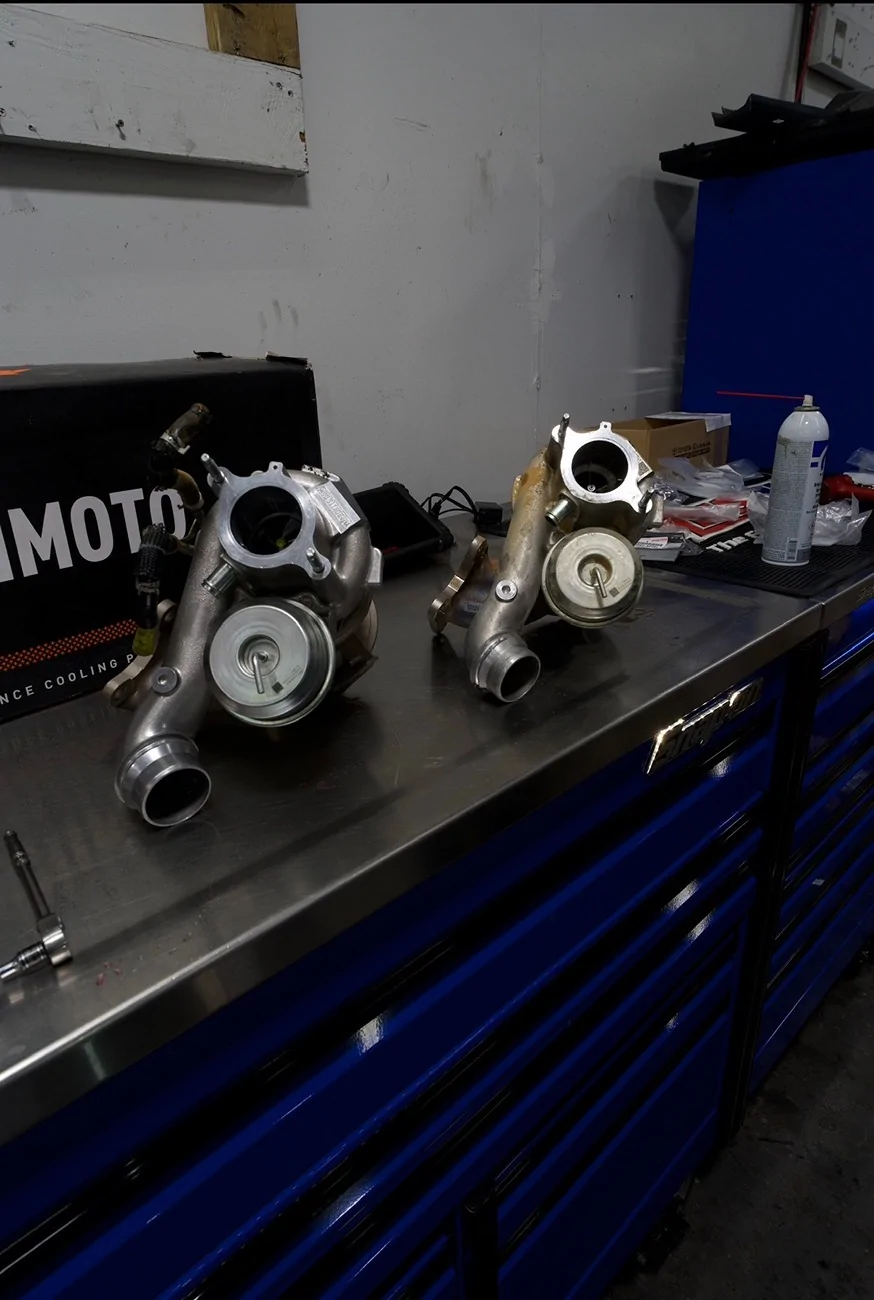
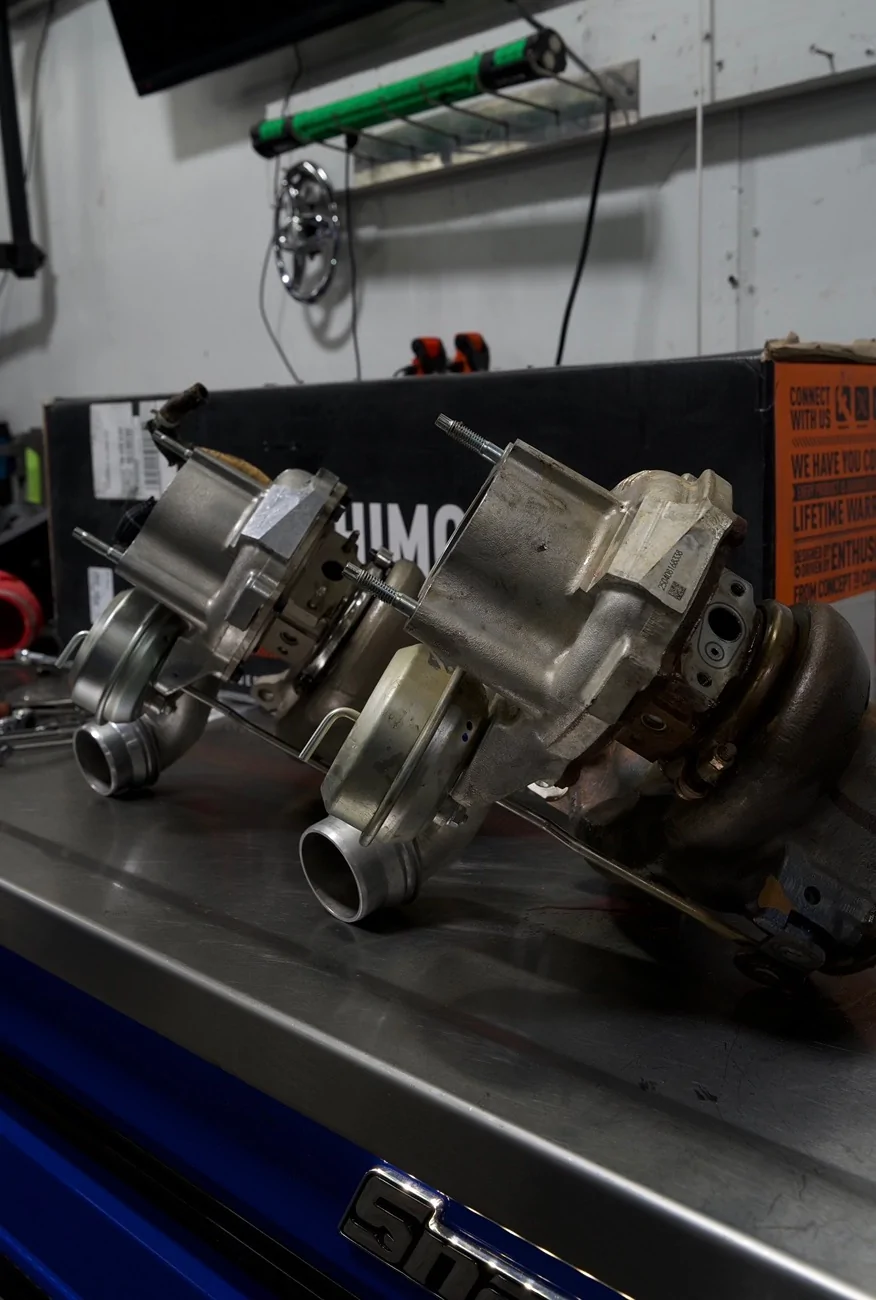
Sponsored
OP
OP
- First Name
- Quez
- Joined
- Sep 25, 2024
- Threads
- 19
- Messages
- 153
- Reaction score
- 252
- Location
- Nashville
- Website
- www.bigdawgstoyotatuning.com
- Vehicle(s)
- 2025 TRD Pro, 2025 TRD Pro 4Runner
- Thread starter
- #36
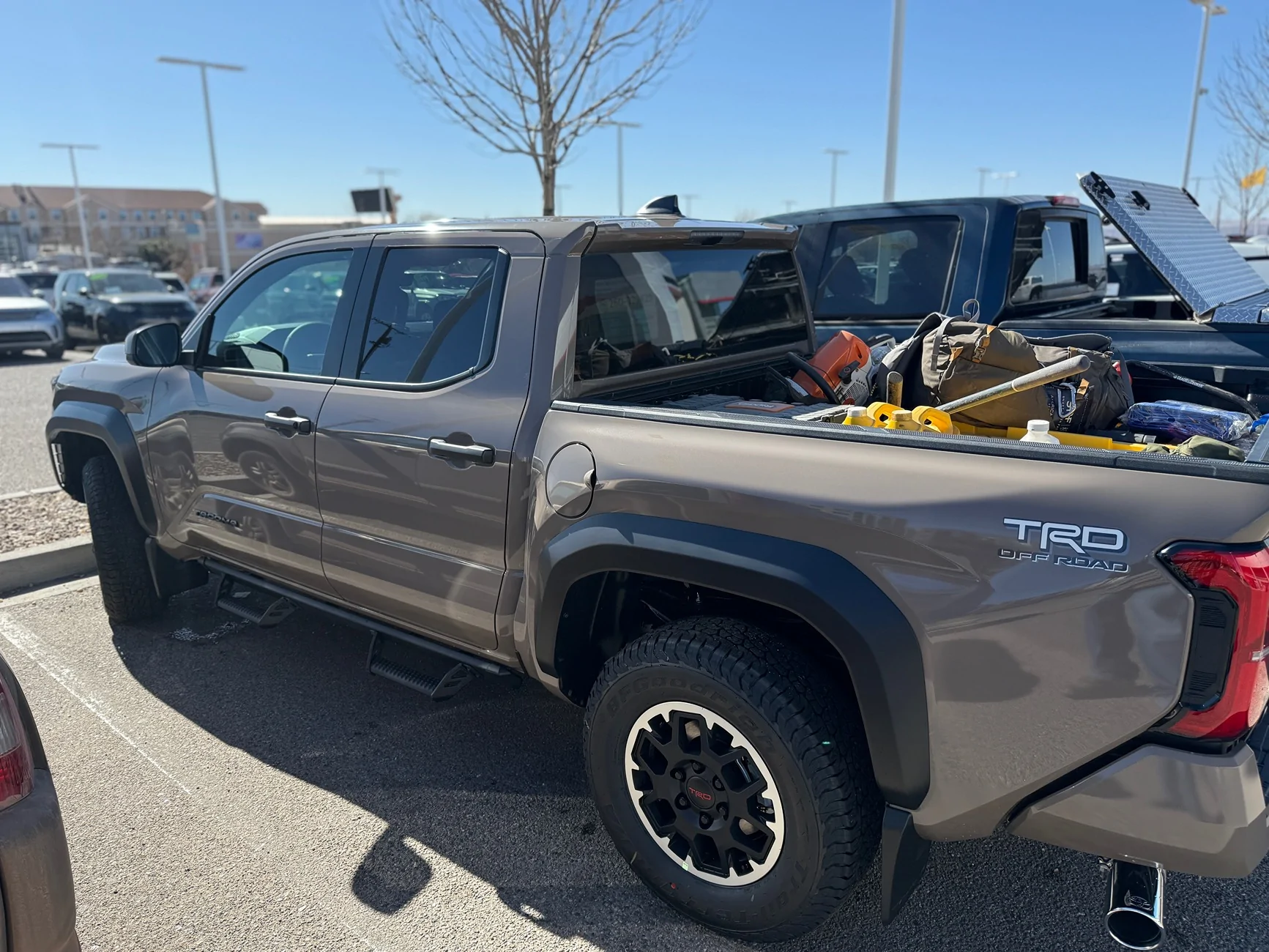
Also finally got my slicers installed, thanks Backwoods Adventure Mods.


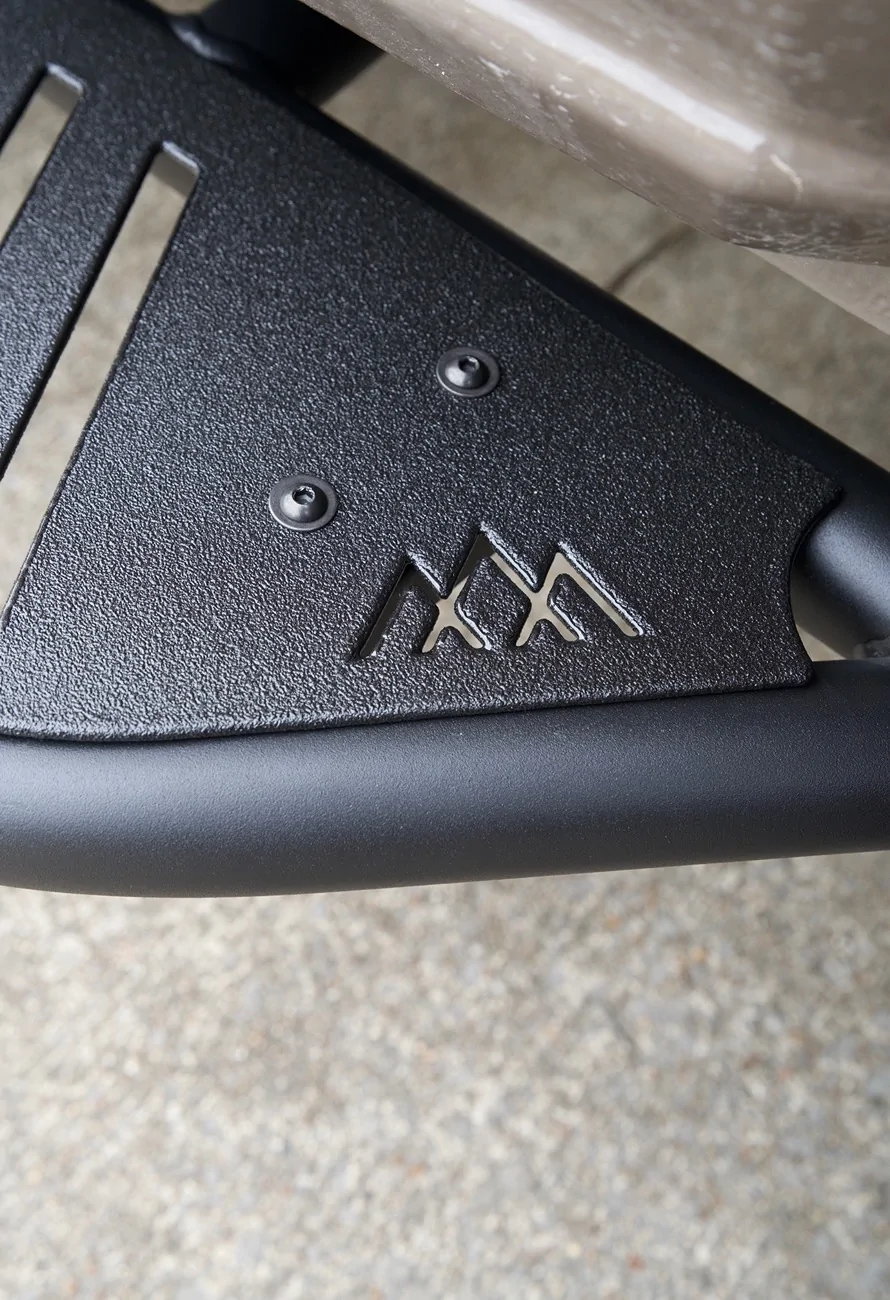
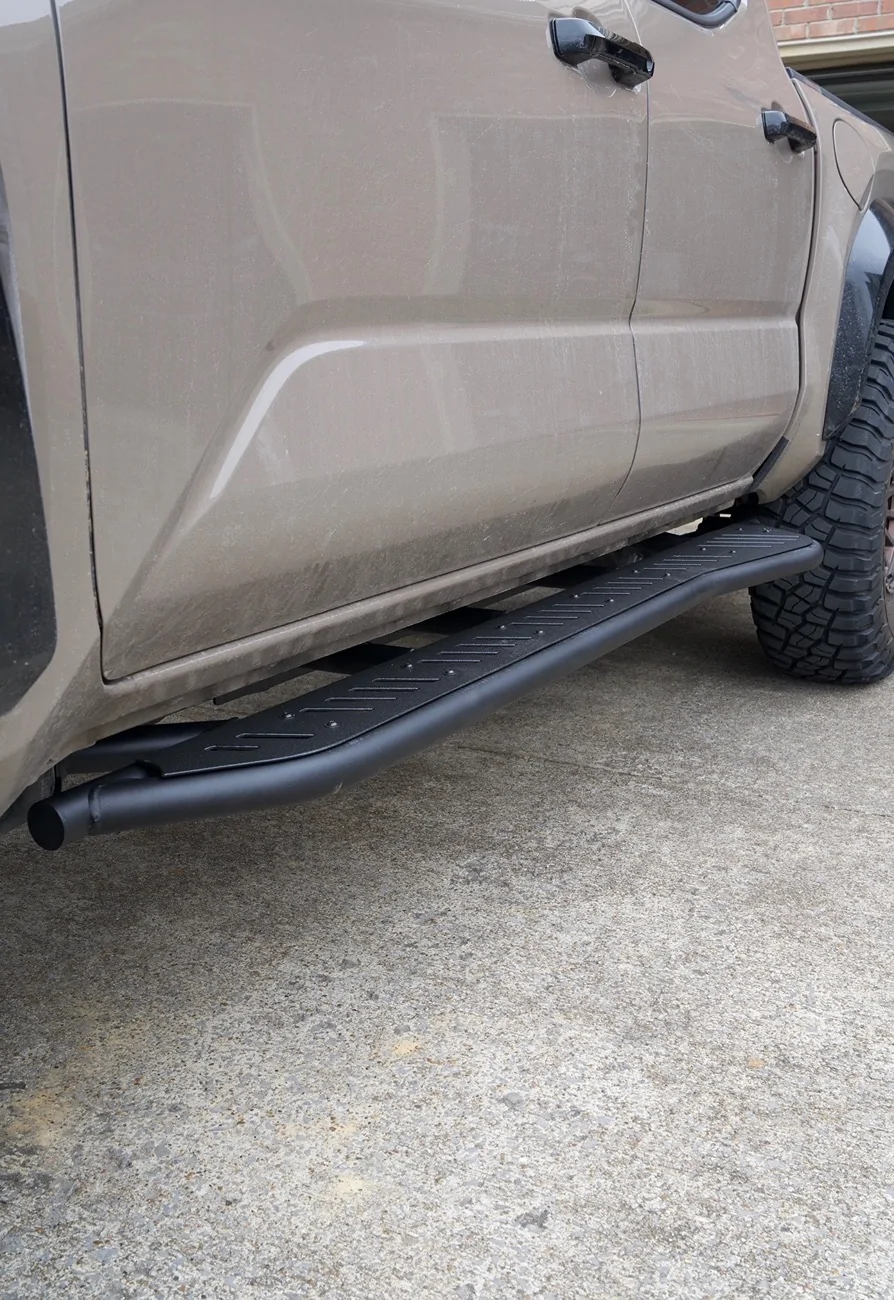


Big Dawg,It’s been awhile, but here we are
Upgraded turbo is officially in.
I had it installed yesterday, hit the road, and noticed a coolant leak on the way home.
Said fuck it when I got home and pulled it back out myself.
Got it out and replaced all the gaskets, reinstalled it. Took a test drive, still leaking.
At this point I’m like wtf because this isn’t one of those install you can put in halfway and see if it’s gtg.
Finally narrowed it down to bad hoses or failing clamps, so tomorrow I’m replacing both hoses and all four clamps.
Let’s be real though, no build is ever just a turbo install & calling it a day.
Gotta love the process and the knowledge you earn the hard way.
More to come. Enjoy the sneak peek for now.
When it comes to the coolant leaks due to the clamps or hoses - what do you think is the cause?
1. Are they degraded already due to the high heat environment they are in (near the turbo) and messing with them to install the new turbo killed them, i.e., like the old hoses are just used to being on the old turbo already?
I ask because I've seen the required additional parts list which is just gaskets and washers, but if it makes sense to grab everything around it from what you've seen then that would be a better move i think.
2. Was there anything special you had to do for removal and installation, or were you able to get to everything from the engine bay side? For example, I can see removing the splash guards in the wheel well if needed for better access from the passenger side, but do you think removing the wheel is required on the passenger side, too? Did you have to come from under the truck at all like past the downpipe and exhaust front pipe to get to a bolt or hose, etc?
3. Were there any parts in the engine bay that you think should be removed as interference to make it easier to work in there? For example, I'd imagine the air intake would need to be removed, but what about the fuse box or battery holder platform or the mess of hoses and wires right above the turbo? What about the boost tubes and turbo inlet elbow, for example?
I was hoping you could give some insight as to any lessons learned you may have from removing and installing everything twice and if there is anything important to watch out for.
I have looked through the Toyota TIS procedures on turbo removal and installation, too, but I know from personal experience that sometimes the written procedure can be vague and one needs to get creative to achieve what it directs. It also assumes you are a trained Toyota tech with access to all the tools, car lift, techstream, etc, which most like myself do not have. Just was wondering if there's any tips you can recommend during this procedure.
OP
OP
- First Name
- Quez
- Joined
- Sep 25, 2024
- Threads
- 19
- Messages
- 153
- Reaction score
- 252
- Location
- Nashville
- Website
- www.bigdawgstoyotatuning.com
- Vehicle(s)
- 2025 TRD Pro, 2025 TRD Pro 4Runner
- Thread starter
- #39
After two full days of pulling the turbo, swapping hoses, clamps, and gaskets, and reinstalling everything, I finally narrowed the issue down to a coolant return hose from the turbo. It wasn’t directly connected to the turbo itself, but it runs very close to it.Big Dawg,
When it comes to the coolant leaks due to the clamps or hoses - what do you think is the cause?
1. Are they degraded already due to the high heat environment they are in (near the turbo) and messing with them to install the new turbo killed them, i.e., like the old hoses are just used to being on the old turbo already?
I ask because I've seen the required additional parts list which is just gaskets and washers, but if it makes sense to grab everything around it from what you've seen then that would be a better move i think.
2. Was there anything special you had to do for removal and installation, or were you able to get to everything from the engine bay side? For example, I can see removing the splash guards in the wheel well if needed for better access from the passenger side, but do you think removing the wheel is required on the passenger side, too? Did you have to come from under the truck at all like past the downpipe and exhaust front pipe to get to a bolt or hose, etc?
3. Were there any parts in the engine bay that you think should be removed as interference to make it easier to work in there? For example, I'd imagine the air intake would need to be removed, but what about the fuse box or battery holder platform or the mess of hoses and wires right above the turbo? What about the boost tubes and turbo inlet elbow, for example?
I was hoping you could give some insight as to any lessons learned you may have from removing and installing everything twice and if there is anything important to watch out for.
I have looked through the Toyota TIS procedures on turbo removal and installation, too, but I know from personal experience that sometimes the written procedure can be vague and one needs to get creative to achieve what it directs. It also assumes you are a trained Toyota tech with access to all the tools, car lift, techstream, etc, which most like myself do not have. Just was wondering if there's any tips you can recommend during this procedure.
That hose shouldn’t have been touched during the install, but I believe it had started to come unclamped before we realized it didn’t need to be removed. When we put it back on, it must have only seated about 90%. With coolant pressure circulating on the drive home, it likely wiggled itself loose and caused the leak.
I inspected the original hoses before replacing them, and they were still in great shape. I can’t say definitively whether they would have caused issues if reused, but I replaced them during the troubleshooting process. In hindsight, they appeared serviceable.
As for the posted parts list, I would absolutely recommend replacing all required gaskets. I reused a few of the washers on mine. I didn't foresee a need to install new washers for places like the throttle body etc.
During the original shop install, the tires were removed to access the underside and reach the lower heat shield bolts through the wheel well. When I did the job in my driveway, I just turned the wheels fully to the left to create space in the wheel well. I’m running 37s and have some trimming done in that area, so your experience may vary as far as space. With a long extension (or multiple extensions), you should be able to reach those bolts fairly easily. Removing the tire entirely will obviously give you more working room, which is always helpful.
I did need to get under the truck to access the oil feed nuts for removal and to ensure the turbo bolts were properly seated into the feed tube holes during reinstall. You’ll need to remove the skid plate for this. Removing the downpipe would give you a significant amount of additional space and make things easier, but it’s not required. I skipped removing the down pipe.
I removed the airbox assembly and boost tube, which I’d consider required. They’re quick to pull, and I don’t see why anyone would try to work around them. I did not remove the hybrid battery tray.
I highly recommend removing the O2 sensor from the downpipe (you’ll need a special socket), as it makes dealing with the heat shield dramatically easier. I unbolted the throttle body from the turbo (required), but left it sitting in the engine bay rather than fully removing it.
Once you get oriented and understand what’s where, the job flows pretty smoothly. Now that I’ve done it and know the angles and tricks, I'm confident I could pull and replace the turbo in 2–3 hours, assuming the vehicle isn’t rusted out and the engine bay is relatively clean.
In hindsight, it wasn’t a bad job at all. Anyone mechanically inclined shouldn’t have issues with it. I had a million questions and proceeded to facetime @JustDSM each time. He probably answered 15 FaceTime calls over two days while I was doing the reinstall.
The troubleshooting is what made this job frustrating, not the install itself. When I do my wifess 6G4R, I'm not anticipating any issues.
Last edited:
Thank you for the detailed explanation and I appreciate your insight on how to get this done as well as the manhour estimate. It sounds like it is possible to DIY with some planning, time, and a bit of creativity no matter if we have a shop lift or just a driveway.After two full days of pulling the turbo, swapping hoses, clamps, and gaskets, and reinstalling everything, I finally narroowed the issue down to a coolant return hose from the turbo. It wasn’t directly connected to the turbo itself, but it runs very close to it.
That hose shouldn’t have been touched during the install, but I believe it had started to come unclamped before we realized it didn’t need to be removed. When we put it back on, it must have only seated about 90%. With coolant pressure circulating on the drive home, it likely wiggled itself loose and caused the leak.
I inspected the original hoses before replacing them, and they were still in great shape. I can’t say definitively whether they would have caused issues if reused, but I replaced them during the troubleshooting process. In hindsight, they appeared serviceable.
As for the posted parts list, I would absolutely recommend replacing all required gaskets. I reused a few of the washers on mine. I didn't foresee a need to install new washers for places like the throttle body etc.
During the original shop install, the tires were removed to access the underside and reach the lower heat shield bolts through the wheel well. When I did the job in my driveway, I just turned the wheels fully to the left to create space in the wheel well. I’m running 37s and have some trimming done in that area, so your experience may vary as far as space. With a long extension (or multiple extensions), you should be able to reach those bolts fairly easily. Removing the tire entirely will obviously give you more working room, which is always helpful.
I did need to get under the truck to access the oil feed nuts for removal and to ensure the turbo bolts were properly seated into the feed tube holes during reinstall. You’ll need to remove the skid plate for this. Removing the downpipe would give you a significant amount of additional space and make things easier, but it’s not required. I skipped removing the down pipe.
I removed the airbox assembly and boost tube, which I’d consider required. They’re quick to pull, and I don’t see why anyone would try to work around them. I did not remove the hybrid battery tray.
I highly recommend removing the O2 sensor from the downpipe (you’ll need a special socket), as it makes dealing with the heat shield dramatically easier. I unbolted the throttle body from the turbo (required), but left it sitting in the engine bay rather than fully removing it.
Once you get oriented and understand what’s where, the job flows pretty smoothly. Now that I’ve done it and know the angles and tricks, I'm confident I could pull and replace the turbo in 2–3 hours, assuming the vehicle isn’t rusted out and the engine bay is relatively clean.
In hindsight, it wasn’t a bad job at all. Anyone mechanically inclined shouldn’t have issues with it. I had a million questions and proceeded to facetime @JustDSM each time. He probably answered 15 FaceTime calls over two days while I was doing the reinstall.
The troubleshooting is what made this job frustrating, not the install itself. When I do my wifess 6G4R, I'm not anticipating any issues.
I should have proofread my questions better but yes, understood that all gaskets and washers are required. From what you experienced, it seems like picking up the additional parts around the turbo as well might be a safe bet to account for Murphy's law.
I really like the idea of an OEM+ turbo like this one so I am excited to see what you think of it once you've gotten everything final fit up and tuned up. Please post your thoughts on how it drives when you get a chance. I got into a surprise 0-60 pull from a stop light with a challenger or charger today, and the first thing I thought of was, maybe I would've only got gapped by 1 car length instead of 3 if I had this turbo and a tune. One can dream!
Sponsored
OP
OP
- First Name
- Quez
- Joined
- Sep 25, 2024
- Threads
- 19
- Messages
- 153
- Reaction score
- 252
- Location
- Nashville
- Website
- www.bigdawgstoyotatuning.com
- Vehicle(s)
- 2025 TRD Pro, 2025 TRD Pro 4Runner
- Thread starter
- #41
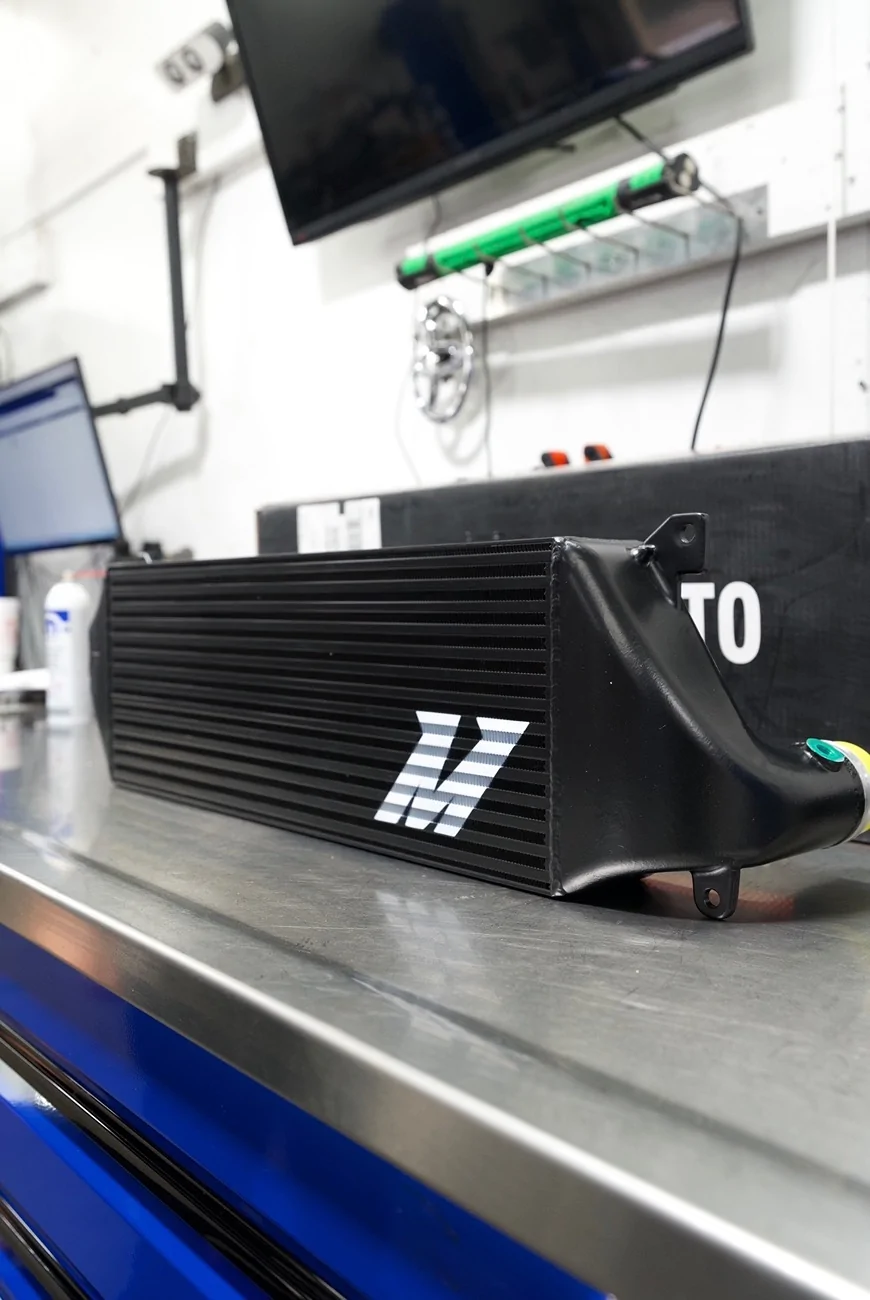
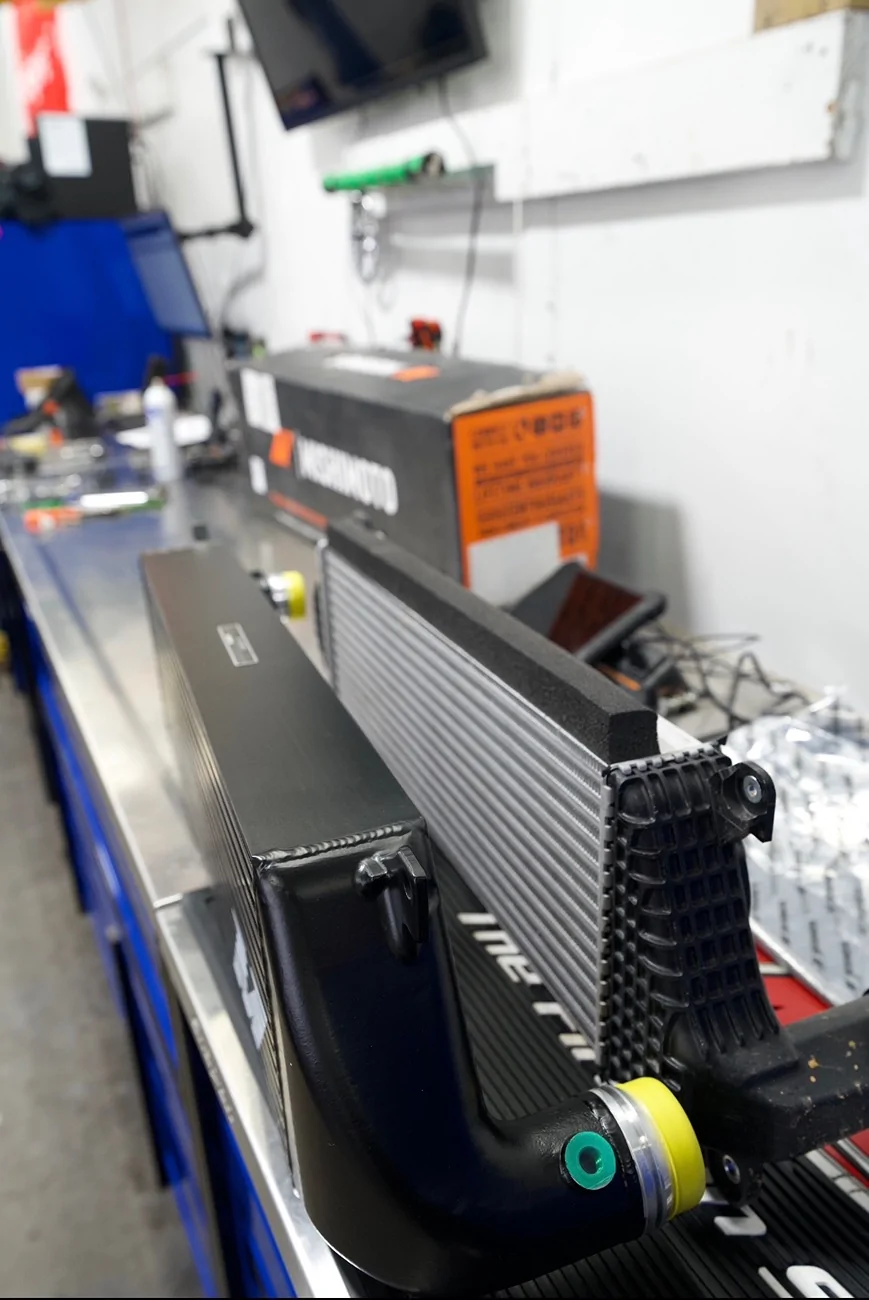
While upgrading the turbo, I upgraded my intercooler. This isn’t one of those sexy IG mods, it’s one that’s about real performance. I upgraded my intercooler to a @Mishimoto one. Objectively it’s by the far the best option on the market when you look at the size, functionality, and ability.


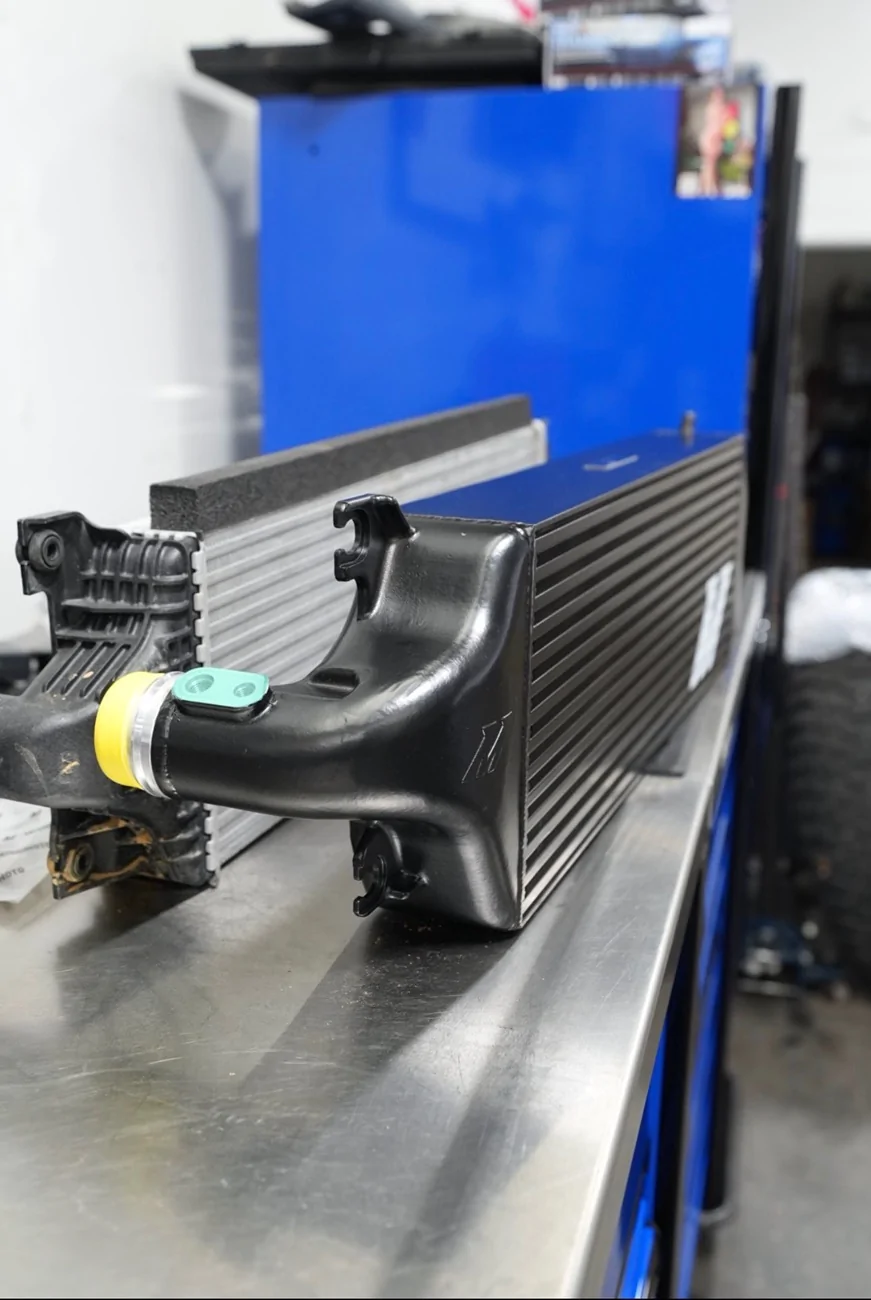
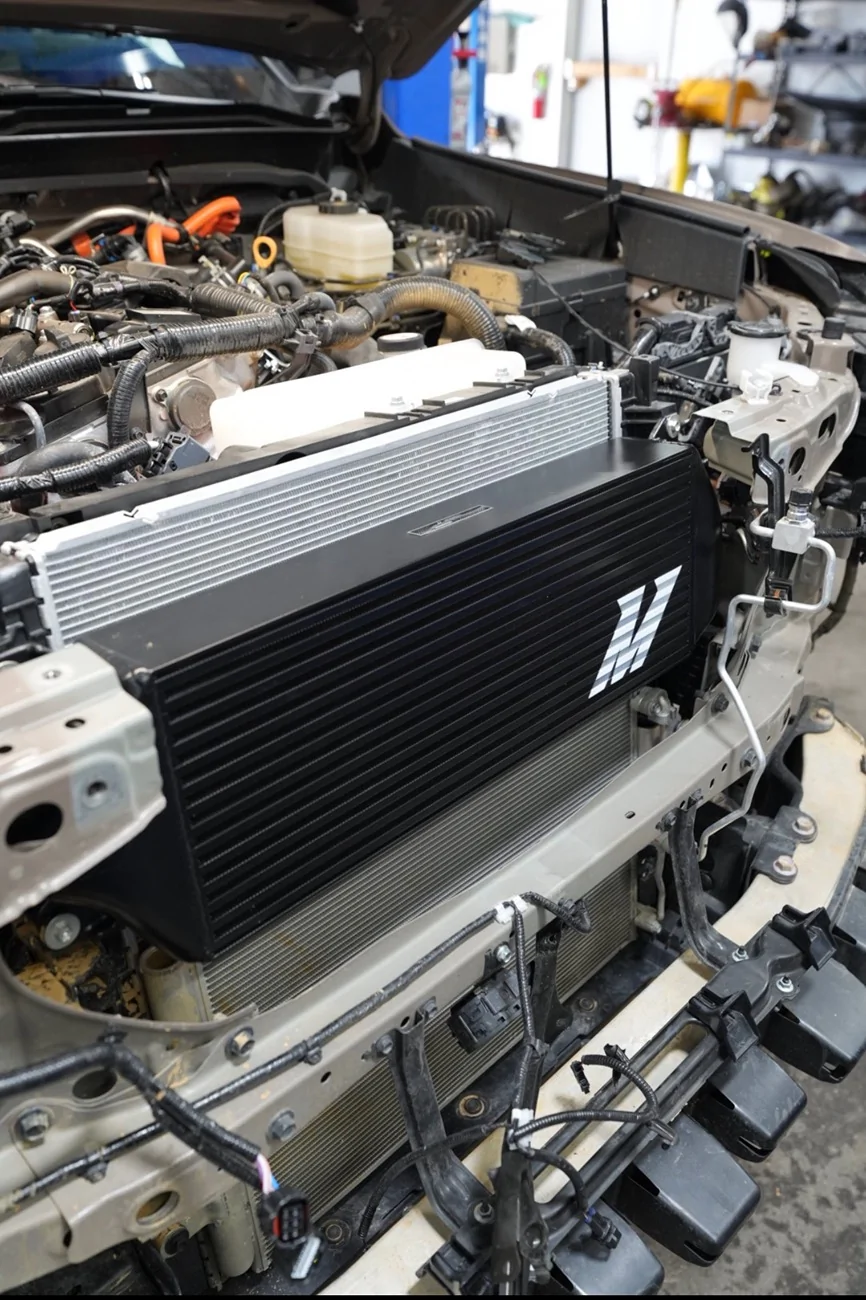
OP
OP
- First Name
- Quez
- Joined
- Sep 25, 2024
- Threads
- 19
- Messages
- 153
- Reaction score
- 252
- Location
- Nashville
- Website
- www.bigdawgstoyotatuning.com
- Vehicle(s)
- 2025 TRD Pro, 2025 TRD Pro 4Runner
- Thread starter
- #42
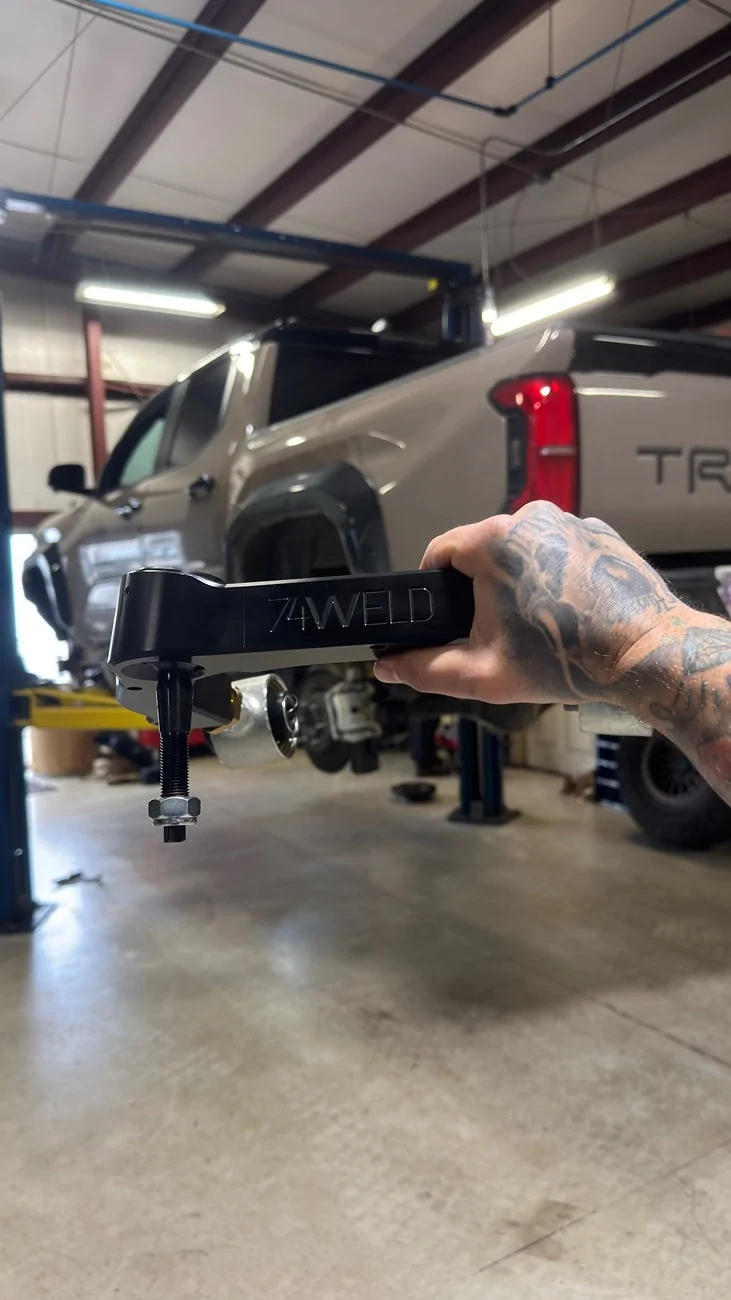
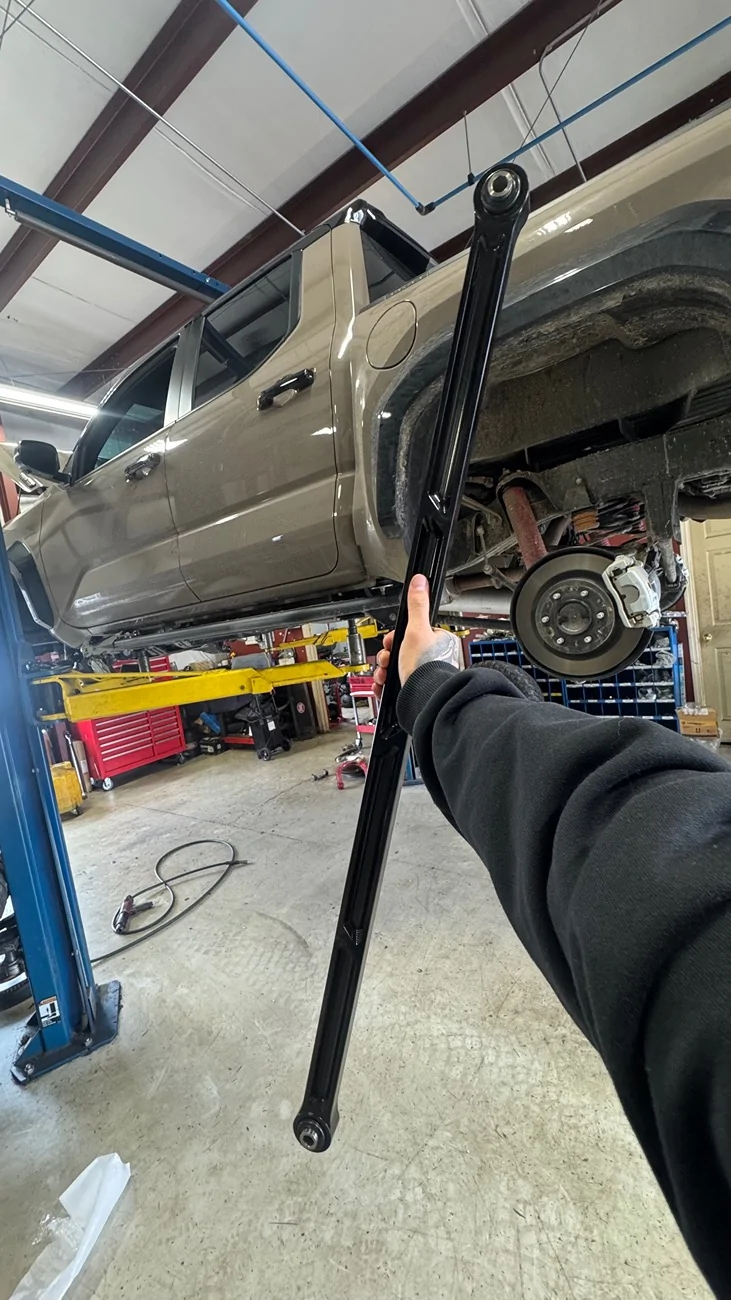
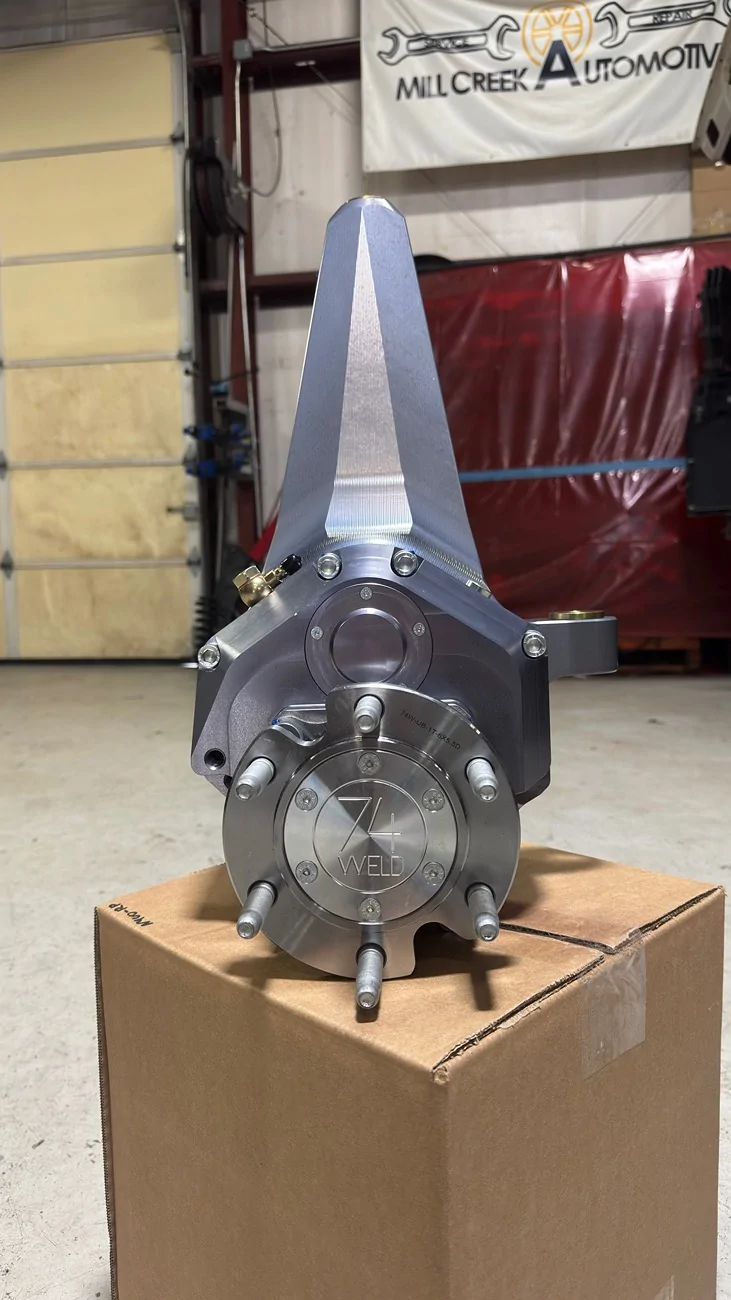
Quick update.... Got some goodies going on shortly...


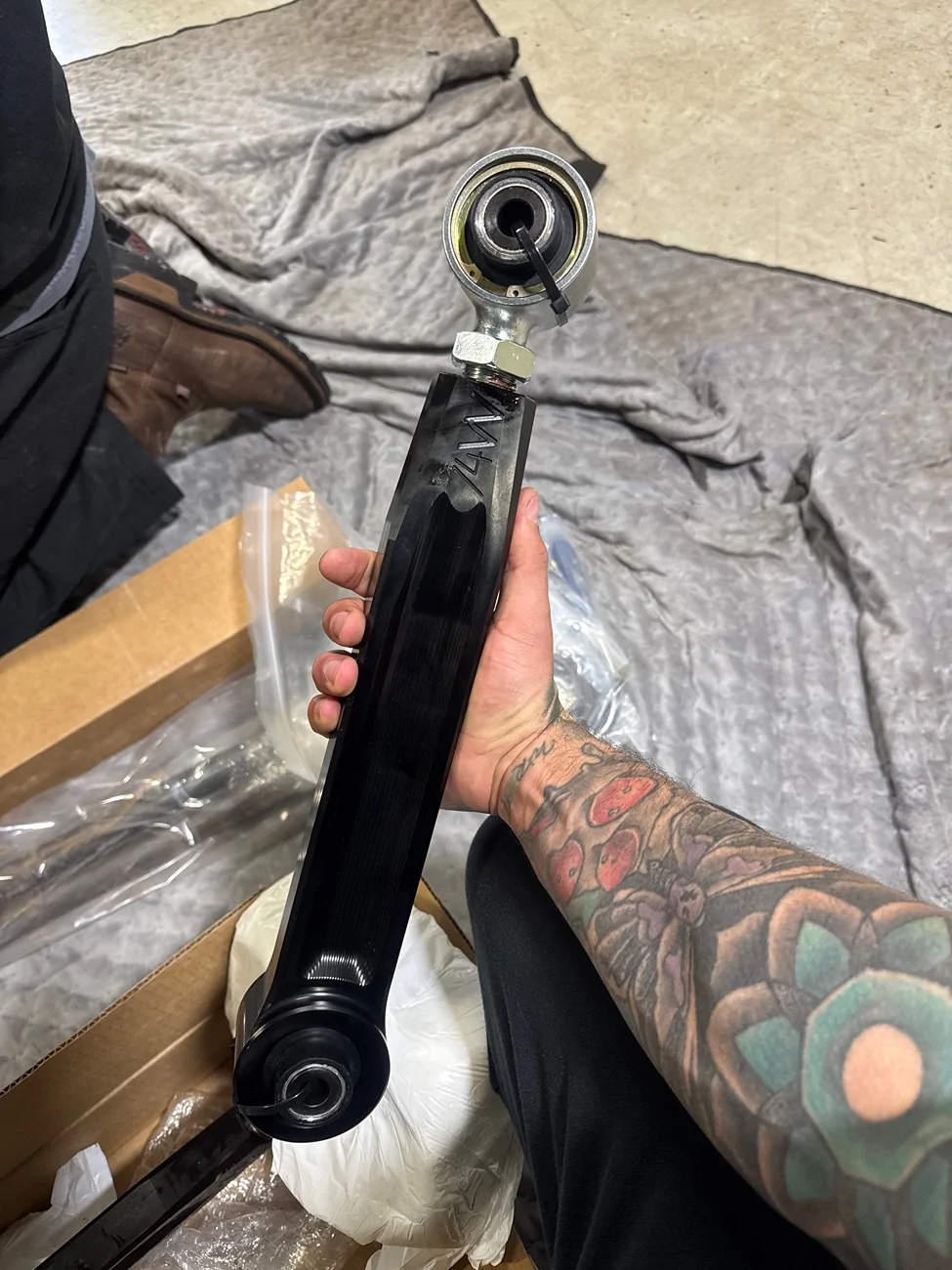
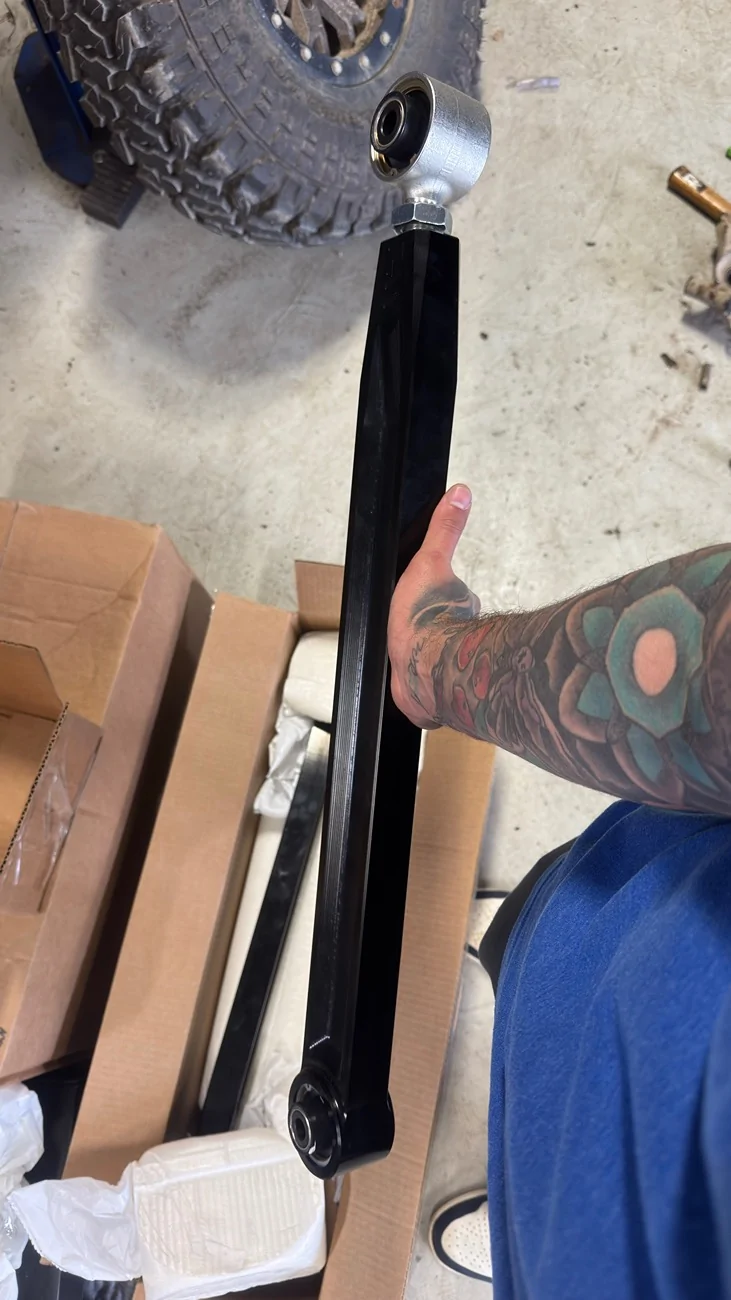
- First Name
- Nick
- Joined
- Jan 30, 2026
- Threads
- 8
- Messages
- 105
- Reaction score
- 97
- Location
- Alberta, Canada
- Vehicle(s)
- 2026 Tacoma TRD Sport
Have you got the turbo tuned?
OP
OP
- First Name
- Quez
- Joined
- Sep 25, 2024
- Threads
- 19
- Messages
- 153
- Reaction score
- 252
- Location
- Nashville
- Website
- www.bigdawgstoyotatuning.com
- Vehicle(s)
- 2025 TRD Pro, 2025 TRD Pro 4Runner
- Thread starter
- #44
Of course. It was tuned before I even pulled out of the shop bay lolHave you got the turbo tuned?

- First Name
- Dave
- Joined
- Jun 9, 2024
- Threads
- 22
- Messages
- 549
- Reaction score
- 708
- Location
- Los Angeles
- Vehicle(s)
- 2024 Toyota Tacoma 4x4 Long Bed
@Big Dawgs Toyota Tuning incredible  these portals are no joke. looking forward to see all this come together
these portals are no joke. looking forward to see all this come togetherSponsored
Similar threads


- Replies
- 5
- Views
- 1,552